Welcome to WordPress. This is your first post. Edit or delete it, then start writing!
Category: Uncategorized
-

Why Financial Experts Say 2026 Could Be the Year to Rethink Your Money Strategy
5
Why Financial Experts Say 2026 Could Be the Year to Rethink Your Money Strategy
Category: Personal Finance
Tags: Personal Finance, Money Management, Financial Planning, Investing, Budgeting, Inflation, Emergency Fund, Retirement Planning, Financial Literacy, Wealth Building, Saving Money, Economic Trends, Long-Term Investing, Cash Flow
Why Financial Experts Say 2026 Could Be the Year to Rethink Your Money Strategy
Economic conditions are constantly evolving. Inflation has reshaped household budgets in recent years, interest rates have influenced borrowing costs, and rapid advances in technology have changed how people save, spend, and invest. While predicting the future is impossible, many financial professionals agree that reviewing your financial plan regularly is one of the smartest habits you can develop.
A financial strategy created several years ago may no longer reflect today’s economic realities or your current life goals. Whether you are saving for a home, planning for retirement, paying off debt, or simply trying to build greater financial security, taking time to evaluate your finances can help you make more informed decisions.
Rather than searching for shortcuts to wealth, successful long-term investors often focus on building strong financial habits that remain effective regardless of market conditions.
Review Your Financial Goals
Every financial decision should support a specific objective.
Ask yourself:
- Are you saving for retirement?
- Do you want to purchase a home?
- Are you building an emergency fund?
- Do you hope to become financially independent?
- Are you reducing debt?
Clear goals provide direction and help measure progress over time.
Financial plans become much easier to follow when every dollar supports a defined purpose.
Build a Strong Financial Foundation
Before pursuing aggressive investment strategies, many financial advisors recommend strengthening your financial foundation.
This typically includes:
- Maintaining a monthly budget
- Building emergency savings
- Paying down high-interest debt
- Protecting your income with appropriate insurance
- Creating realistic financial goals
A solid financial base improves resilience during uncertain economic periods.
Understand the Difference Between Saving and Investing
Although both are important, saving and investing serve different purposes.
Savings generally provide stability and liquidity for short-term goals or unexpected expenses.
Investments are designed to pursue long-term growth but involve varying levels of market risk.
Balancing both approaches can help households prepare for today’s needs while planning for tomorrow.
Don’t Underestimate the Power of Compound Growth
One of the most valuable financial advantages is time.
Compound growth allows investment earnings to generate additional earnings over many years.
Even relatively small, consistent contributions can become substantial if invested over decades.
Waiting several years to begin investing often requires much larger future contributions to reach similar goals.
Diversify to Manage Risk
No investment performs well under every economic condition.
Diversification spreads investments across different assets, industries, or regions, helping reduce dependence on any single investment.
While diversification cannot eliminate risk, it may reduce the impact of market volatility over the long term.
Investment choices should always reflect individual financial objectives and tolerance for risk.
Prepare for Unexpected Expenses
Financial emergencies rarely arrive with advance warning.
Medical expenses, major repairs, temporary unemployment, or natural disasters can create financial strain.
Emergency savings help reduce reliance on high-interest borrowing during these situations.
Financial professionals commonly recommend maintaining enough savings to cover several months of essential living expenses.
Building this reserve gradually is often more practical than trying to save everything at once.
Continue Expanding Financial Knowledge
The financial world changes constantly.
Artificial intelligence, digital banking, automated investing, and new financial products continue reshaping personal finance.
Remaining informed allows consumers to evaluate opportunities more effectively while avoiding unnecessary risks.
Books, educational websites, seminars, podcasts, and reputable financial publications all contribute to stronger financial literacy.
Develop Multiple Sources of Income
Many households are exploring additional income opportunities beyond traditional employment.
Examples include:
- Freelancing
- Consulting
- Rental income
- Dividend-paying investments
- Online businesses
- Digital products
- Educational services
Additional income can strengthen financial flexibility and accelerate progress toward long-term goals.
Review Your Financial Plan Every Year
Life changes.
Income changes.
Family circumstances change.
Economic conditions change.
Annual financial reviews allow you to evaluate:
- Budget performance
- Savings growth
- Investment allocation
- Retirement contributions
- Insurance coverage
- Debt reduction
- Future priorities
Small adjustments made regularly can keep financial plans aligned with changing circumstances.
Think Beyond Today’s Headlines
Financial markets naturally experience periods of optimism and uncertainty.
Reacting emotionally to daily headlines may lead to unnecessary investment decisions.
Successful long-term investors often focus on disciplined planning rather than attempting to predict every market movement.
Patience, consistency, and realistic expectations remain valuable qualities regardless of economic conditions.
Financial Habits That Support Long-Term Success
Although every financial journey is unique, many financially successful households share several common habits:
- Spending less than they earn.
- Saving consistently.
- Investing regularly.
- Avoiding unnecessary debt.
- Maintaining emergency savings.
- Increasing retirement contributions over time.
- Continuing financial education.
- Reviewing financial goals annually.
These habits may seem ordinary, but over many years they can produce extraordinary financial outcomes.
Looking Ahead
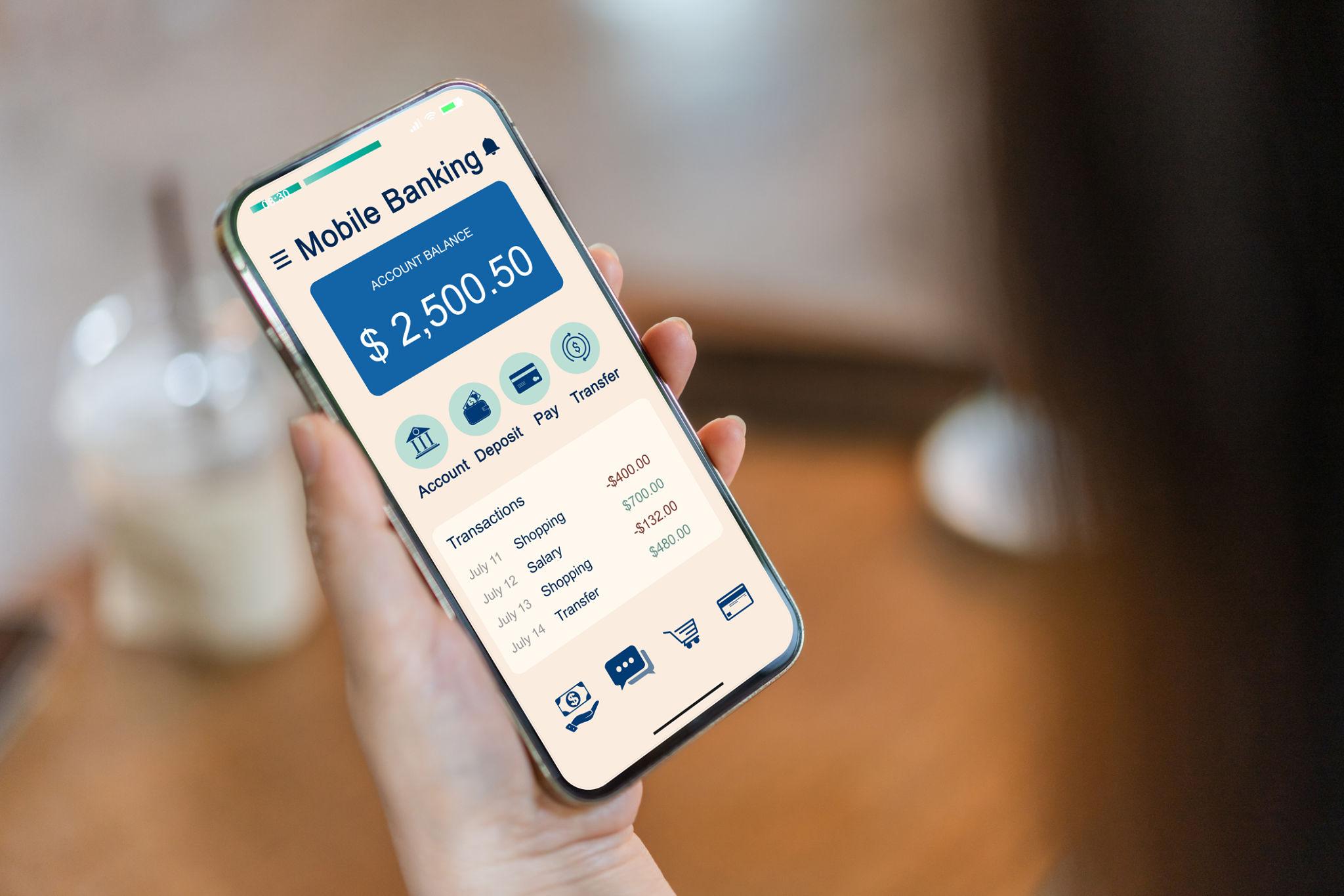
Technology is making financial management more accessible than ever. Mobile banking applications, budgeting software, artificial intelligence, and automated investment platforms provide powerful tools for monitoring spending and planning for the future.
However, technology cannot replace thoughtful financial behavior.
Successful money management continues to rely on timeless principles:
- Spend intentionally.
- Save consistently.
- Invest patiently.
- Diversify thoughtfully.
- Protect yourself from unexpected financial setbacks.
- Continue learning throughout your life.
Financial independence is rarely achieved through one perfect investment or one lucky opportunity. It is built gradually through informed decisions repeated over many years.
No matter your current income or financial experience, reviewing your strategy today can help position you for greater stability tomorrow. The strongest financial plans are not those that predict the future—they are the ones designed to adapt to it.
-
Hello World!
Welcome to WordPress! This is your first post. Edit or delete it to take the first step in your blogging journey.
-
Financial Reset 2026: 10 Smart Money Decisions That Could Strengthen Your Wealth in the Years Ahead
4
Financial Reset 2026: 10 Smart Money Decisions That Could Strengthen Your Wealth in the Years Ahead
Category: Personal Finance
Tags: Personal Finance, Financial Planning, Money Management, Wealth Building, Budgeting, Saving Money, Investing, Retirement Planning, Emergency Fund, Financial Literacy, Inflation, Passive Income, Smart Investing, Economic Trends
Financial Reset 2026: 10 Smart Money Decisions That Could Strengthen Your Wealth in the Years Ahead
Economic conditions rarely stay the same for long. Interest rates fluctuate, inflation changes the cost of everyday goods, new technologies reshape banking, and investment markets experience periods of both growth and uncertainty. While these changes can make personal finance seem complicated, the core principles of building wealth remain remarkably consistent.
Financial security is not about predicting every economic trend or finding the perfect investment. Instead, it comes from making thoughtful decisions repeatedly over time. Households that consistently budget, save, invest, and plan for the future are often better prepared to navigate changing economic conditions than those who rely on short-term opportunities.
As 2026 continues to bring new financial challenges and opportunities, now may be an ideal time to review your money habits and strengthen your long-term financial plan.
1. Review Your Entire Financial Picture
Many people focus only on their monthly income, but true financial health involves much more.
Take time each year to review:
- Income
- Monthly expenses
- Savings balances
- Investment accounts
- Outstanding debt
- Insurance coverage
- Retirement savings
- Financial goals
Looking at your complete financial picture helps identify strengths and areas that need improvement.
2. Give Every Dollar a Purpose
One of the simplest ways to improve financial management is assigning every dollar a specific job.
Some income pays for housing and utilities.
Some covers groceries and transportation.
Some goes toward retirement.
Some builds emergency savings.
When every dollar has a purpose, unnecessary spending often becomes easier to identify and reduce.
3. Build Financial Flexibility
Financial flexibility means having enough available resources to respond to unexpected opportunities or challenges.
This includes:
- Emergency savings
- Low debt levels
- Reliable insurance
- Healthy cash flow
- Accessible savings
Financial flexibility reduces stress and allows households to make decisions based on long-term goals instead of short-term financial pressure.
4. Understand Risk Before Investing
Every investment involves some degree of risk.
Higher potential returns often come with greater uncertainty.
Before investing, consider:
- Your financial goals
- Time horizon
- Risk tolerance
- Current financial obligations
Understanding these factors helps create an investment strategy that aligns with your personal circumstances instead of following market trends.
5. Increase Retirement Savings Gradually
Retirement planning does not require dramatic changes overnight.
Increasing retirement contributions by even one or two percent each year can significantly improve long-term savings.
Automatic contribution increases make this process simple while allowing investments additional time to benefit from compound growth.
Small adjustments today may create meaningful differences decades later.
6. Diversify Both Income and Investments
Many households diversify investments but overlook income diversification.
Additional income sources might include:
- Freelance work
- Consulting
- Rental properties
- Dividend investments
- Online businesses
- Educational content
- Digital products
Diversification can reduce financial dependence on any single source while improving long-term financial resilience.
7. Keep Learning About Money
Financial education is never complete.
Technology continues changing personal finance through digital banking, artificial intelligence, automated investing, and online financial planning tools.
Staying informed helps households evaluate new opportunities while avoiding unnecessary risks.
Reading books, following reputable financial publications, and learning from qualified professionals can improve financial confidence throughout life.
8. Avoid Emotional Spending
Impulse purchases can quietly reduce long-term wealth.
Before making significant purchases, ask yourself:
- Is this necessary?
- Does it support my financial goals?
- Can I comfortably afford it?
- Would waiting 24 hours change my decision?
Simple pauses before spending often improve financial discipline.
9. Schedule Regular Financial Reviews
Successful financial planning is an ongoing process rather than a one-time event.
Quarterly or annual reviews provide opportunities to:
- Update financial goals.
- Adjust budgets.
- Review investments.
- Evaluate insurance coverage.
- Monitor debt reduction.
- Track savings progress.
Consistent reviews help maintain long-term financial momentum.
10. Think in Decades, Not Days
Financial markets naturally experience periods of volatility.
Rather than reacting to daily headlines, successful long-term investors often remain focused on goals years or even decades into the future.
History has shown that patience, diversification, and disciplined investing have frequently rewarded those willing to maintain long-term perspectives.
Time remains one of the most valuable financial assets available.
Financial Habits That Often Lead to Long-Term Success
Many financially secure households share similar behaviors:
- Spending below their income.
- Maintaining emergency savings.
- Investing consistently.
- Paying down high-interest debt.
- Planning for retirement.
- Reviewing finances regularly.
- Continuing financial education.
- Setting measurable goals.
These habits may appear ordinary, but their cumulative effect over many years can be extraordinary.
Looking Ahead
The future of personal finance will continue evolving as technology, artificial intelligence, digital currencies, and global markets reshape how people save, spend, and invest. New financial tools will provide greater convenience and access to information, but they cannot replace thoughtful decision-making.
The fundamentals remain unchanged.
Create a budget.
Build emergency savings.
Invest patiently.
Protect your assets.
Continue learning.
Review your goals regularly.
Financial success is rarely defined by one perfect investment or one fortunate opportunity. It is built through consistent choices that strengthen your financial position over time.
Every dollar you save, every debt you reduce, and every investment you make with a long-term perspective contributes to greater financial stability. By focusing on steady progress rather than short-term excitement, you can build lasting wealth and prepare confidently for whatever the future may bring.
-

Why More Families Are Building Wealth Slowly Instead of Chasing Quick Profits
Why More Families Are Building Wealth Slowly Instead of Chasing Quick Profits
Category: Personal Finance
Tags: Personal Finance, Family Finance, Wealth Building, Financial Planning, Budgeting, Saving Money, Investing, Emergency Fund, Retirement Planning, Inflation, Financial Literacy, Cash Flow, Passive Income, Smart Money
Why More Families Are Building Wealth Slowly Instead of Chasing Quick Profits
For years, headlines have celebrated people who turned small investments into fortunes almost overnight. Stories of rapid gains in stocks, cryptocurrencies, and other speculative assets often dominate social media and financial news. While these stories can be inspiring, they rarely represent how most financially secure families build lasting wealth.
Across many countries, financial advisors are seeing a different trend. Instead of chasing the latest investment craze, more households are focusing on long-term financial stability through careful planning, disciplined saving, and diversified investing. The goal is not to become wealthy overnight but to create financial security that can withstand economic uncertainty.
Whether you’re just starting your career or preparing for retirement, adopting practical financial habits today can help improve your financial future for years to come.
Start With a Clear Financial Roadmap
A successful financial journey begins with clear goals.
Ask yourself:
- How much should I save each month?
- When do I want to buy a home?
- How much should I invest for retirement?
- What financial milestones do I hope to reach in five or ten years?
Writing down specific goals makes it easier to stay focused and measure progress over time.
Understand the Importance of Cash Flow
Cash flow is the movement of money into and out of your household.
Positive cash flow occurs when income exceeds expenses. Maintaining positive cash flow allows families to save, invest, and prepare for future opportunities.
Reviewing monthly income and expenses helps identify unnecessary spending and areas where adjustments can improve financial health.
Small improvements in cash flow often create significant long-term benefits.
Make Saving a Permanent Habit
Many people save only when money is left over at the end of the month. Unfortunately, unexpected expenses often reduce those opportunities.
A more effective strategy is to automate savings.
Scheduling automatic transfers into a dedicated savings account each payday encourages consistency and removes the temptation to spend first.
Even modest monthly contributions can grow into meaningful savings over time.
Diversify Your Financial Future
Putting all your money into one investment—or relying entirely on one source of income—can increase financial risk.
Diversification helps reduce that risk by spreading resources across different opportunities.
Examples include:
- Emergency savings
- Retirement accounts
- Diversified investment funds
- Small business income
- Rental income
- Dividend-paying investments
Diversification does not guarantee profits, but it can improve financial resilience during changing market conditions.
Don’t Let Inflation Quietly Reduce Your Purchasing Power
Inflation gradually increases the cost of everyday goods and services.
While moderate inflation is normal, it can slowly reduce the value of money held only in low-interest savings accounts.
Understanding inflation encourages households to think carefully about balancing short-term savings with long-term investment strategies that align with their financial goals and risk tolerance.
Regular financial reviews can help ensure savings continue supporting future needs.
Protect What You Build
Growing wealth is only part of financial planning.
Protecting those assets is equally important.
Insurance can help reduce the financial impact of unexpected events such as accidents, illness, natural disasters, or property damage.
Reviewing insurance coverage every year helps ensure protection remains appropriate as your financial situation changes.
Continue Learning About Money
Financial literacy is a lifelong skill.
Markets change.
Interest rates move.
Tax regulations evolve.
Technology introduces new financial tools.
Reading trusted financial publications, attending workshops, or following reputable educational resources can improve confidence and support better financial decisions throughout life.
Knowledge often produces lasting financial value.
Prepare for Retirement Earlier Than You Think
Retirement planning becomes easier when started early.
Even relatively small investments made consistently over many years may benefit from compound growth.
Waiting until later in life often requires much larger contributions to reach similar retirement goals.
Reviewing retirement savings regularly allows adjustments as income and financial priorities change.
Avoid Emotional Financial Decisions
Financial markets naturally experience periods of growth and decline.
Making decisions based solely on fear or excitement may lead to unnecessary risks.
Successful long-term investors often follow disciplined investment plans rather than reacting to daily headlines.
Remaining focused on long-term objectives can reduce stress during periods of market uncertainty.
Financial Success Is Built One Decision at a Time
Building wealth is rarely about one extraordinary investment.
Instead, financial security usually reflects thousands of responsible decisions made consistently over many years.
Simple habits—including budgeting, saving regularly, investing patiently, reducing unnecessary debt, and continuing financial education—can gradually create meaningful financial progress.
While everyone’s financial journey is different, consistency remains one of the strongest predictors of long-term success.
Looking Toward the Future
Modern technology has made financial management more accessible than ever. Mobile banking, digital investment platforms, budgeting applications, and artificial intelligence are helping individuals monitor spending, automate savings, and manage investments more efficiently.
Despite these innovations, the foundations of personal finance remain unchanged.
Spend thoughtfully.
Save consistently.
Invest for the long term.
Protect your financial future.
Continue learning throughout your life.
Economic conditions will continue to change, but disciplined financial habits remain valuable in every environment. By focusing on steady progress instead of quick profits, families can build lasting financial confidence, reduce uncertainty, and create opportunities for future generations.
The road to financial security is not always fast, but it is achievable through informed decisions, patience, and consistent action.
Alt Text for Images
- Person reviewing monthly financial goals with a laptop, notebook, and calculator.
- Young couple discussing budgeting and saving for their first home.
- Financial advisor explaining diversified investment strategies during a client meeting.
- Small business owner reviewing cash flow and financial reports.
- Piggy bank beside stacks of coins symbolizing long-term savings and wealth growth.
- Retirement planning documents with a calculator and savings statements.
- Modern financial district skyline representing economic growth, investment opportunities, and personal finance.


