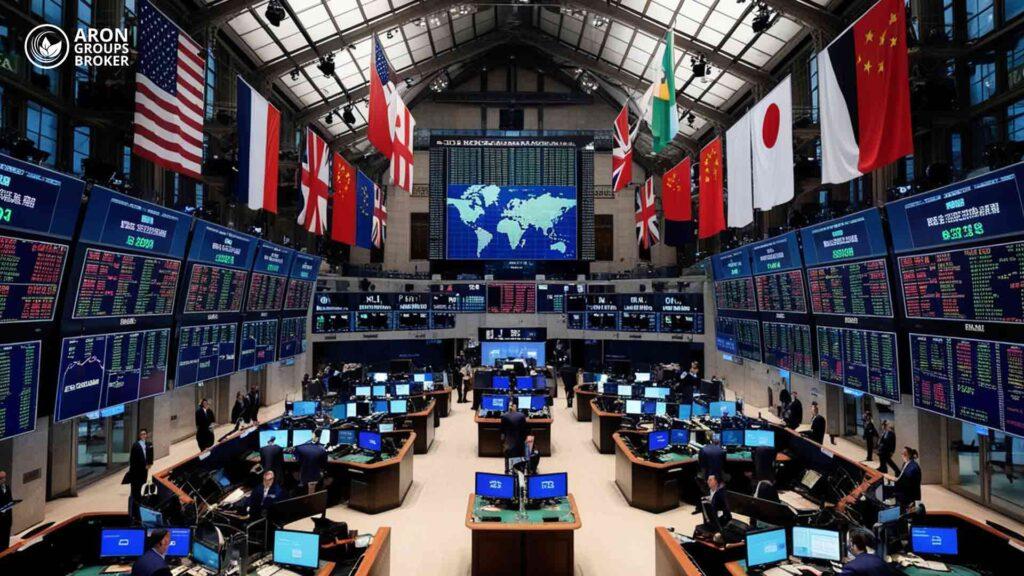
Global Markets on Edge: Stocks, Gold, Bitcoin, and the Dollar Brace for a High-Stakes Week
Category: Finance | Global Markets | Investing | Economy
Published: July 23, 2026


Global Markets on Edge: Stocks, Gold, Bitcoin, and the Dollar Brace for a High-Stakes Week
Global financial markets entered the final trading days of the week with investors facing one of the most complicated economic environments of 2026. Stocks remain near record territory, gold continues attracting safe-haven demand, Bitcoin is attempting to regain momentum, and currency markets are reacting to uncertainty surrounding central-bank policy.
The next several weeks could prove crucial for investors as inflation data, corporate earnings, interest-rate expectations, and geopolitical developments continue shaping market sentiment. Analysts say the world economy is not facing a single dominant risk; instead, investors must navigate multiple overlapping forces that are influencing nearly every asset class.
This environment has created significant volatility, but it has also produced opportunities for investors willing to remain disciplined and focused on long-term trends.
Stocks Remain Strong but Investors Are Growing Cautious
Global equity markets have shown remarkable resilience throughout much of 2026.
Major U.S. stock indexes have remained close to historic highs despite concerns over inflation, interest rates, and slowing economic growth. Strong corporate earnings, continued demand for artificial intelligence technologies, and relatively healthy consumer spending have supported the market.
However, investor confidence has become increasingly fragile.
Valuations in several sectors remain elevated, meaning any negative surprise in earnings or economic data could trigger sharp corrections. Portfolio managers are now paying closer attention to company guidance than to headline profit numbers.
Many analysts believe the market is transitioning from a phase driven primarily by optimism into one that requires stronger fundamental support.
Artificial Intelligence Continues to Drive Market Leadership
Technology companies connected to artificial intelligence remain among the strongest performers in global equity markets.
Businesses involved in cloud computing, semiconductor manufacturing, data centers, and enterprise AI software continue attracting significant investor interest. The rapid expansion of AI applications across industries has convinced many investors that the technology sector may remain a long-term growth engine.
At the same time, some analysts warn that expectations have become extremely high.
If revenue growth fails to match market enthusiasm, highly valued technology stocks could experience substantial volatility.
For investors, the challenge is separating companies with sustainable long-term advantages from those benefiting primarily from short-term excitement.

Gold Maintains Its Role as a Safe-Haven Asset
Gold remains one of the world’s most closely watched defensive investments.
Despite fluctuating interest-rate expectations, geopolitical uncertainty has continued supporting demand for precious metals. Investors often turn to gold during periods of economic stress because of its long history as a store of value.
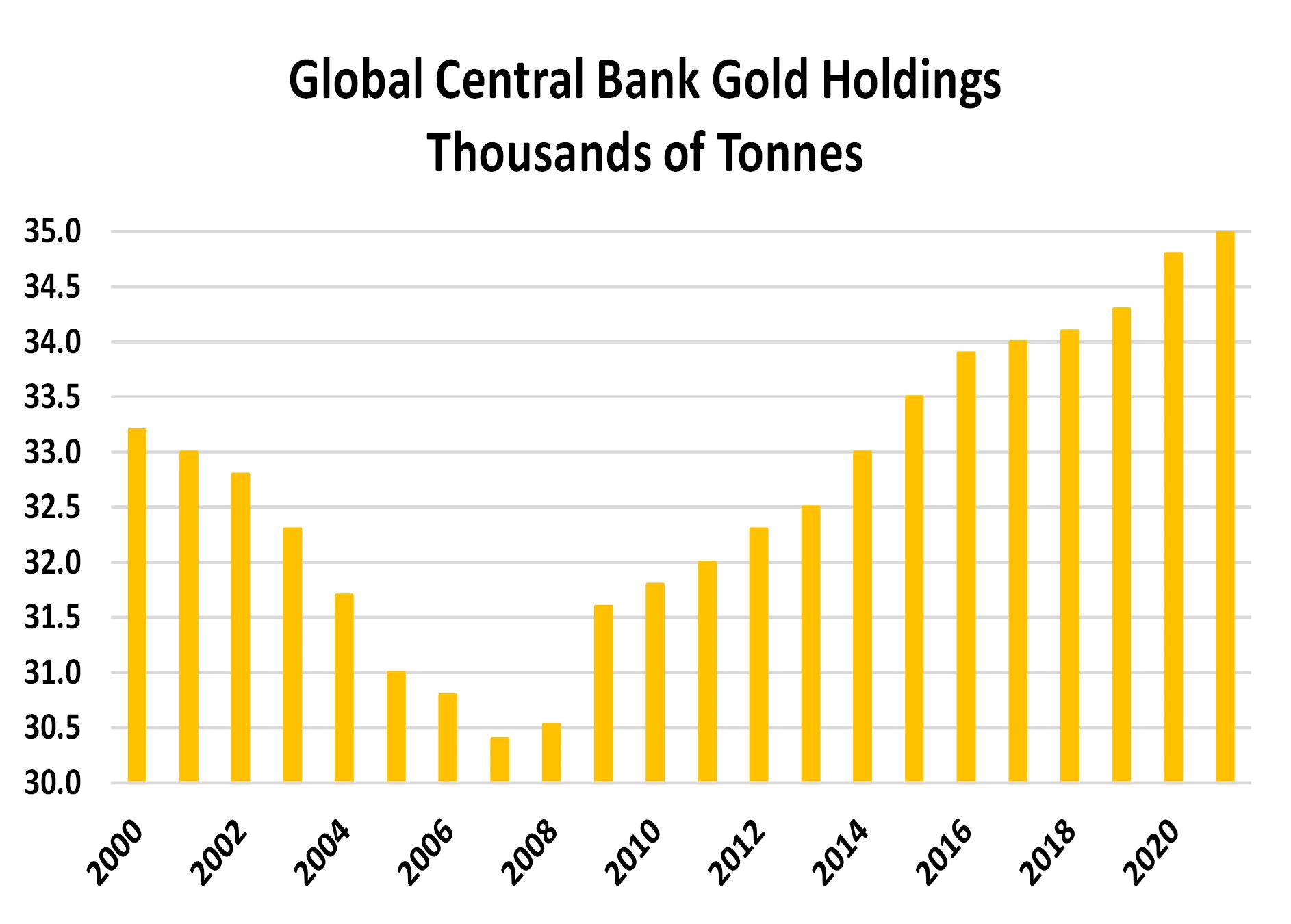
Central-bank purchases have also provided important long-term support.
Many countries continue increasing gold reserves as part of broader diversification strategies designed to reduce reliance on foreign currencies and strengthen financial resilience.
Although short-term price movements can be volatile, gold continues serving as an important hedge for many diversified portfolios.
Bitcoin Attempts to Rebuild Momentum
Bitcoin has experienced significant volatility throughout the year but remains one of the best-performing major asset classes over longer time horizons.
Institutional adoption, exchange-traded funds, and growing mainstream acceptance continue supporting the long-term investment case for digital assets.
However, Bitcoin remains highly sensitive to broader market sentiment.
When investors become more comfortable taking risk, cryptocurrencies often benefit. During periods of uncertainty, however, digital assets can experience sharp price declines.
This relationship has caused Bitcoin to behave increasingly like a global macro asset influenced by inflation expectations, interest rates, and investor confidence.
Interest Rates Continue to Influence Every Market
Perhaps no single factor has had a greater impact on financial markets than interest rates.
Central banks spent recent years raising borrowing costs to combat inflation. Although inflation has moderated compared with earlier peaks, policymakers remain cautious about declaring victory.
Higher interest rates affect nearly every asset class:
- Stocks face valuation pressure.
- Bonds become more attractive.
- Gold loses some appeal because it does not generate income.
- Housing affordability declines.
- Corporate borrowing becomes more expensive.
- Currency markets experience greater volatility.
Investors now carefully analyze every inflation report and central-bank statement for clues about future policy decisions.
Bond Markets Signal Ongoing Uncertainty
Government bond markets continue reflecting uncertainty about the economic outlook.
Longer-term yields remain elevated compared with historical averages, indicating investors still expect inflation risks to persist.
Higher bond yields can create challenges for stocks because investors may choose safer fixed-income investments instead of riskier assets.
Bond markets are often considered one of the most important indicators of investor expectations, making them a critical area to watch during periods of economic transition.
The U.S. Dollar Remains a Global Safe Haven
The U.S. dollar continues playing a central role in international finance.
During periods of global uncertainty, investors frequently move money into dollar-denominated assets because of the currency’s status as the world’s primary reserve currency.
A stronger dollar can influence:
- Commodity prices
- International trade
- Emerging markets
- Corporate earnings
- Currency exchange rates
- Global investment flows
Because many commodities are priced in dollars, changes in the currency often have ripple effects across the world economy.
Oil Prices Add Another Layer of Risk
Energy markets remain a major source of uncertainty.
Oil prices have experienced significant fluctuations due to geopolitical tensions, supply concerns, and changing expectations for global demand.
Higher energy prices can increase inflationary pressure, reduce consumer spending power, and affect corporate profitability.
This is one reason investors continue monitoring geopolitical developments alongside economic data.
Diversification Becomes Increasingly Important
The current environment highlights the importance of diversification.
Many financial advisers recommend spreading investments across multiple asset classes rather than concentrating heavily in a single sector.
A diversified portfolio may include:
- Stocks
- Bonds
- Gold
- Cash
- Real estate
- International investments
- Alternative assets
Diversification cannot eliminate risk, but it can reduce the impact of volatility in any one area of the market.
What Investors Should Watch Next
Several upcoming developments could significantly influence financial markets:
Inflation Reports
Inflation data remains one of the most important indicators for central-bank decisions.
Central-Bank Meetings
Interest-rate guidance could alter expectations across stocks, bonds, currencies, and commodities.
Corporate Earnings
Company results will provide insight into consumer demand and business conditions.
Employment Data
Labor-market strength remains a critical measure of economic health.
Geopolitical Developments
International conflicts and trade disputes continue affecting investor sentiment.
Outlook for the Second Half of 2026
Analysts remain cautiously optimistic.
Economic growth has slowed but has not collapsed. Inflation has moderated but remains above long-term targets in several regions. Corporate profits remain relatively strong, yet valuations in some sectors appear stretched.
This combination suggests investors could continue experiencing periods of volatility even if the broader economy avoids a recession.
Rather than expecting a smooth path higher, many strategists anticipate a market environment defined by frequent shifts in sentiment and increased sensitivity to economic news.
Conclusion
Global financial markets are entering a critical period.
Stocks, gold, Bitcoin, bonds, currencies, and commodities are all responding to a rapidly changing economic landscape shaped by inflation, interest rates, technology, and geopolitics.
For investors, the key may not be predicting every market move but maintaining discipline, staying diversified, and focusing on long-term objectives. In uncertain environments, patience and risk management often become just as important as identifying the next big opportunity.