Blog

  • The 2026 Money Blueprint: 10 Financial Moves to Build Wealth in Any Economy

    The 2026 Money Blueprint: 10 Financial Moves to Build Wealth in Any Economy

    https://images.openai.com/static-rsc-4/mWiGAYkYISglh0oO9i_SSpHqh9BLkplVERzzwa6YD4Rhrby5KkqmIropY5HLHHy97RZcPUAhQfG3rXpqFWO5Iy-ya2aCobD4lIAR1ZM4PqNDQs6pbyaVqhh5qiHa0Rmo5LCwWPCNKL9FDCRForPfuvt1hkRJ_bOE41BumWpMPGMBA040N2PFLRlGkEHde4Xr?purpose=fullsize
    https://images.openai.com/static-rsc-4/PoRLKIvNsfchRWJCLEdOg5KNpFBMxlryM-9jiL8xbxFfTt-oauKOTHnBWOoRTakcJklGzSuU3S8ovZXl8CLfcANwFGyQuAGWiouEQXrPFSUcX4SUwMYzjTFQn9muvW1v2dzVQ5sjYSQSvIyADO31CWClmZ6tMFNltovrkGhT3F6z_-rHwnIpXMK9zGWi2JgD?purpose=fullsize
    https://images.openai.com/static-rsc-4/DzOk1cAkGAxHIBOoZ5hu-wR84Nxgx9F7e5HHVg9Wmk4uUIqkPpxPtf7-0IzAh3IdCsDl2MjMUpOmgd_nGuxTNIcKVx8m-L-BGHBa99-TXBiRwfmAma4c04qR0rN-tStmZWEokl7feA4-wh79KkZf5jkVvVwiRqQFUfLVR3ej0EjqAeUCIcxyapYwaGxxyw7u?purpose=fullsize

    4

    The 2026 Money Blueprint: 10 Financial Moves That Could Help You Build Wealth in Any Economy

    Category: Personal Finance

    Tags: Personal Finance, Money Management, Financial Planning, Wealth Building, Investing, Budgeting, Emergency Fund, Retirement Planning, Inflation, Interest Rates, Saving Money, Financial Literacy, Passive Income, Stock Market, Economic News


    The 2026 Money Blueprint: 10 Financial Moves That Could Help You Build Wealth in Any Economy

    Financial markets may rise and fall, inflation may fluctuate, and interest rates can change from year to year, but the principles of building long-term wealth remain remarkably consistent. While headlines often focus on market volatility or the latest investment trend, financial success is more often the result of steady habits than dramatic decisions.

    Whether you are beginning your financial journey, growing your career, or preparing for retirement, having a clear strategy can make it easier to adapt to changing economic conditions. A successful financial plan is not about predicting the future—it is about being prepared for it.

    Below are ten practical financial moves that can help strengthen your finances and support long-term financial security.


    1. Know Your Financial Starting Point

    Before setting new goals, understand where you stand today.

    Take time to calculate:

    • Monthly income
    • Monthly expenses
    • Total savings
    • Outstanding debt
    • Investment balances
    • Retirement savings
    • Insurance coverage

    This financial snapshot makes it easier to identify strengths, weaknesses, and opportunities for improvement.


    2. Build a Budget That Works in Real Life

    Budgets should be flexible rather than restrictive.

    Instead of trying to eliminate every discretionary expense, create a spending plan that balances everyday needs with long-term goals.

    Many households find success by dividing income into categories such as:

    • Essential living expenses
    • Savings
    • Investments
    • Debt repayment
    • Entertainment
    • Charitable giving

    Review your budget regularly and adjust it as your circumstances change.


    3. Protect Yourself With an Emergency Fund

    Unexpected expenses are unavoidable.

    Medical emergencies, home repairs, job changes, or vehicle maintenance can quickly disrupt finances.

    Building an emergency fund that covers three to six months of essential expenses provides valuable peace of mind.

    Even starting with a smaller savings goal can create meaningful financial protection.


    4. Let Compound Growth Work Over Time

    Compound growth allows investment earnings to generate additional earnings over many years.

    The earlier you begin investing consistently, the greater the opportunity for long-term growth.

    Rather than trying to perfectly time the market, many investors choose to contribute regularly through automatic investment plans.

    Remember that investment values can rise and fall, and returns are never guaranteed.


    5. Reduce High-Interest Debt

    Interest payments on high-rate debt can significantly slow financial progress.

    Prioritizing repayment of expensive debt often improves monthly cash flow and allows more money to be directed toward savings and investments.

    Avoid taking on unnecessary debt whenever possible, particularly for purchases that lose value quickly.


    6. Diversify Investments

    Diversification helps reduce dependence on any single investment.

    A diversified portfolio may include different asset classes, industries, and geographic regions depending on an individual’s goals and tolerance for risk.

    Although diversification cannot prevent losses, it may reduce overall portfolio volatility during changing market conditions.


    7. Build More Than One Income Stream

    Many financially successful households supplement employment income through additional sources such as:

    • Freelance work
    • Consulting
    • Rental properties
    • Dividend investments
    • Digital businesses
    • Educational content
    • Creative services

    Additional income can strengthen financial resilience while supporting savings and investment goals.


    8. Continue Improving Financial Knowledge

    Financial education is a lifelong process.

    Technology, tax laws, investment products, and economic conditions continue evolving.

    Reading books, following trusted financial publications, listening to educational podcasts, and attending seminars can improve confidence and decision-making.

    Knowledge helps individuals adapt to changing financial environments.


    9. Review Retirement Planning Every Year

    Retirement planning should not remain unchanged for decades.

    As income grows and financial goals evolve, retirement contributions may also need adjustment.

    Annual reviews help evaluate:

    • Contribution levels
    • Investment allocation
    • Retirement timeline
    • Expected future expenses

    Making gradual improvements today can significantly influence long-term retirement readiness.


    10. Focus on Consistency Rather Than Perfection

    Many people postpone investing or saving because they believe they need perfect timing.

    In reality, consistency often matters more.

    Saving a manageable amount every month, reducing debt steadily, and reviewing financial goals regularly may produce stronger long-term outcomes than waiting for ideal economic conditions.

    Small decisions repeated consistently create lasting financial progress.


    Habits Shared by Financially Successful Households

    Although financial situations vary, many households that build long-term wealth have similar habits:

    • Living below their means.
    • Saving automatically.
    • Investing consistently.
    • Paying bills on time.
    • Maintaining emergency savings.
    • Avoiding unnecessary debt.
    • Reviewing financial plans annually.
    • Continuing financial education.

    These habits require discipline, but they can become increasingly rewarding over time.


    Looking Ahead

    Technology continues transforming the financial world through artificial intelligence, mobile banking, digital investing, and automated financial planning tools. These innovations provide consumers with greater access to information and more efficient ways to manage money.

    However, technology alone cannot build wealth.

    Successful financial planning still depends on thoughtful decisions, disciplined habits, and long-term thinking.

    Create a realistic budget.

    Maintain emergency savings.

    Invest patiently.

    Diversify wisely.

    Protect your finances.

    Continue learning.

    Review your goals regularly.

    Financial independence is rarely built overnight. It develops through years of responsible money management and informed decision-making. By focusing on steady progress instead of short-term excitement, individuals and families can improve financial confidence and prepare for future opportunities regardless of economic conditions.

  • Smart Money in 2026: 10 Financial Trends That Could Shape Your Wallet

    Smart Money in 2026: 10 Financial Trends That Could Shape Your Wallet

    Image
    Image
    Image
    Image
    Image
    Image
    Image

    Smart Money in 2026: 10 Financial Trends That Could Shape Your Wallet This Year

    Category: Personal Finance

    Tags: Personal Finance, Financial News, Money Management, Investing, Budgeting, Inflation, Interest Rates, Emergency Fund, Retirement Planning, Financial Literacy, Stock Market, Wealth Building, Economic Trends, Saving Money


    Smart Money in 2026: 10 Financial Trends That Could Shape Your Wallet This Year

    Money management is evolving rapidly. New technology, changing economic conditions, and shifting consumer habits are transforming how people save, spend, borrow, and invest. While no one can predict the future with complete certainty, understanding today’s financial trends can help households make more informed decisions.

    From artificial intelligence in banking to the growing importance of emergency savings, financial planning is becoming more data-driven and accessible. At the same time, rising living costs and changing interest rates remind consumers that strong financial habits remain just as important as ever.

    Here are ten financial trends that could influence personal finances throughout 2026 and beyond.


    1. Digital Banking Continues to Expand

    Mobile banking has become the primary way many people manage their money.

    Consumers increasingly use smartphone apps to:

    • Pay bills
    • Transfer money
    • Track spending
    • Deposit checks remotely
    • Monitor investments
    • Set savings goals

    These tools offer greater convenience while making it easier to understand daily financial activity.


    2. Artificial Intelligence Is Entering Personal Finance

    Artificial intelligence is becoming a common feature in budgeting tools and financial services.

    Some platforms now help users:

    • Categorize expenses automatically.
    • Identify unusual transactions.
    • Suggest personalized savings goals.
    • Analyze spending habits.
    • Estimate future cash flow.

    While these tools can improve financial awareness, important financial decisions should still be based on careful evaluation and, when appropriate, professional advice.


    3. Emergency Funds Remain a Top Priority

    Recent economic uncertainty has reminded many families about the importance of maintaining emergency savings.

    Financial planners commonly recommend building reserves that cover several months of essential expenses.

    Emergency funds provide flexibility during unexpected situations such as:

    • Job loss
    • Medical expenses
    • Vehicle repairs
    • Home maintenance
    • Family emergencies

    Even small, consistent monthly contributions can gradually strengthen financial security.


    4. Inflation Still Influences Household Budgets

    Although inflation levels change over time, rising prices continue affecting many everyday expenses.

    Households are increasingly reviewing:

    • Grocery spending
    • Utility costs
    • Transportation expenses
    • Insurance premiums
    • Entertainment budgets

    Regular budget reviews help identify opportunities to adjust spending while protecting long-term financial goals.


    5. Long-Term Investing Remains Popular

    Despite short-term market fluctuations, many investors continue focusing on diversified, long-term investment strategies.

    Rather than attempting to predict daily market movements, disciplined investors often contribute regularly while maintaining realistic expectations.

    Long-term investing generally emphasizes patience and consistency instead of reacting to short-term headlines.

    Remember that all investments involve risk.


    6. Retirement Planning Begins Earlier

    Younger generations are increasingly recognizing the value of starting retirement savings early.

    Compound growth allows investments additional time to generate returns.

    Even relatively modest monthly contributions may grow substantially over several decades.

    Beginning early often provides greater flexibility than attempting to save larger amounts later in life.


    7. Multiple Income Streams Are Becoming More Common

    Many households are developing additional income sources beyond traditional employment.

    Examples include:

    • Freelance consulting
    • Online businesses
    • Digital content creation
    • Rental properties
    • Dividend-paying investments
    • Educational services

    Diversifying income may improve financial resilience during changing economic conditions.


    8. Financial Education Is More Accessible Than Ever

    Online courses, podcasts, books, and educational websites have made financial literacy easier to access.

    Consumers are increasingly learning about:

    • Budgeting
    • Investing
    • Credit management
    • Retirement planning
    • Tax basics
    • Insurance

    Improved financial knowledge often leads to more confident decision-making.


    9. Automation Helps Build Better Financial Habits

    Automation reduces the need to remember routine financial tasks.

    Many consumers now automate:

    • Savings transfers
    • Investment contributions
    • Bill payments
    • Retirement deposits

    These systems encourage consistency while reducing missed payments and unnecessary spending.


    10. Financial Wellness Is Becoming a Lifestyle Goal

    Increasingly, people view financial health as part of overall well-being.

    Financial wellness involves more than growing wealth.

    It also includes:

    • Reducing financial stress.
    • Planning for emergencies.
    • Building confidence.
    • Creating long-term security.
    • Supporting future life goals.

    Strong financial habits contribute not only to wealth but also to greater peace of mind.


    Practical Steps You Can Take Today

    While financial trends continue evolving, several practical actions remain valuable regardless of economic conditions:

    • Review your monthly budget.
    • Build or strengthen emergency savings.
    • Reduce high-interest debt.
    • Invest consistently according to your goals and risk tolerance.
    • Increase retirement contributions whenever possible.
    • Continue improving financial knowledge.
    • Review insurance coverage regularly.
    • Revisit financial goals at least once each year.

    These actions may seem modest individually, but together they create a strong foundation for long-term financial stability.


    Looking Toward the Future

    Technology will continue transforming banking, investing, and financial planning throughout the coming years. Artificial intelligence, digital payments, automated investing, and new financial tools will likely provide consumers with even greater access to information and personalized financial services.

    However, successful money management will continue relying on timeless principles rather than technological innovation alone.

    Spend responsibly.

    Save consistently.

    Invest patiently.

    Protect your finances.

    Continue learning.

    Review your financial plan regularly.

    Financial success is rarely achieved through one extraordinary decision. Instead, it develops through disciplined habits repeated over many years.

    No matter how technology evolves, careful planning, thoughtful spending, and long-term investing remain among the most reliable ways to build financial security. By understanding today’s financial trends while staying focused on proven money habits, individuals and families can better prepare for whatever opportunities and challenges the future may bring.

    Alt Text

    1. Investor analyzing global stock market data across multiple computer monitors.
    2. Family planning a household budget using bills, a calculator, and financial documents.
    3. Financial advisor presenting a retirement investment strategy to clients.
    4. Young entrepreneur reviewing business cash flow and financial reports.
    5. Person using a smartphone mobile banking application to manage savings and spending.
    6. Stack of gold coins with an upward financial growth chart representing wealth building.
    7. Modern financial district skyline with digital stock market displays symbolizing economic growth.

    SEO Title

    Smart Money in 2026: 10 Financial Trends That Could Shape Your Wallet

    Meta Description

    Explore 10 important financial trends for 2026, including budgeting, investing, inflation, retirement planning, AI in banking, and practical money strategies for long-term financial success.

    Suggested URL Slug

    smart-money-2026-financial-trends-wallet

  • Why Financial Experts Say 2026 Could Be the Year to Rethink Your Money Strategy

    Why Financial Experts Say 2026 Could Be the Year to Rethink Your Money Strategy

    https://images.openai.com/static-rsc-4/ZJD_yztFuPZp7t1Hg8LqrnNktFsZkT7uZm-bBtbhkbSCWxd1iRfERCx5t5C-95hn9nHqqB4bhSwa_e4MYhAOUX-qvr_8qH5eo02KpdaWW9NXyWzyQuzxYHK6dmmXVVFv5sgSebpCevAyI6bpLjgziuF2dk5CDrQ0-DD7xyKlLgLtkQGZEWHueHgXPUAtQrLw?purpose=fullsize
    https://images.openai.com/static-rsc-4/P7Qu7QPcV-dxz90ifwj_pEpUEbZt-mnQAO1rX2Z-Yx90ESRk30kSe8zqdYnHuuLhDiP5yRMePjgaBhy1oAid7pw0u85LuPvcNo8Ki4_ZwNxSXyWEAKEJ3fWJkAp1l-vUfH3-JgCZdt5jD8KNr6E7sL8pXm58WPGhG9HTK5roctOGnV2uXPb_3mf940xHmryK?purpose=fullsize
    https://images.openai.com/static-rsc-4/xDcAo3P18EgmztdVWt8h-e-PnFwpmHx0nCcIklvhkqEAdN6uKv4wp3AP9haBPkcOqzeSjsD4wYZj4325YRshU5CfOKuZdoNFjxiODU_Hw74zrmjoxpPJ2FECO6R3HE2DivrksQnDTLq37KocVAkn8qrr8E61ioSl3BrF4OVr3TbIVSbGdi6cRob3ORsU30T8?purpose=fullsize

    5

    Why Financial Experts Say 2026 Could Be the Year to Rethink Your Money Strategy

    Category: Personal Finance

    Tags: Personal Finance, Money Management, Financial Planning, Investing, Budgeting, Inflation, Emergency Fund, Retirement Planning, Financial Literacy, Wealth Building, Saving Money, Economic Trends, Long-Term Investing, Cash Flow


    Why Financial Experts Say 2026 Could Be the Year to Rethink Your Money Strategy

    Economic conditions are constantly evolving. Inflation has reshaped household budgets in recent years, interest rates have influenced borrowing costs, and rapid advances in technology have changed how people save, spend, and invest. While predicting the future is impossible, many financial professionals agree that reviewing your financial plan regularly is one of the smartest habits you can develop.

    A financial strategy created several years ago may no longer reflect today’s economic realities or your current life goals. Whether you are saving for a home, planning for retirement, paying off debt, or simply trying to build greater financial security, taking time to evaluate your finances can help you make more informed decisions.

    Rather than searching for shortcuts to wealth, successful long-term investors often focus on building strong financial habits that remain effective regardless of market conditions.


    Review Your Financial Goals

    Every financial decision should support a specific objective.

    Ask yourself:

    • Are you saving for retirement?
    • Do you want to purchase a home?
    • Are you building an emergency fund?
    • Do you hope to become financially independent?
    • Are you reducing debt?

    Clear goals provide direction and help measure progress over time.

    Financial plans become much easier to follow when every dollar supports a defined purpose.


    Build a Strong Financial Foundation

    Before pursuing aggressive investment strategies, many financial advisors recommend strengthening your financial foundation.

    This typically includes:

    • Maintaining a monthly budget
    • Building emergency savings
    • Paying down high-interest debt
    • Protecting your income with appropriate insurance
    • Creating realistic financial goals

    A solid financial base improves resilience during uncertain economic periods.


    Understand the Difference Between Saving and Investing

    Although both are important, saving and investing serve different purposes.

    Savings generally provide stability and liquidity for short-term goals or unexpected expenses.

    Investments are designed to pursue long-term growth but involve varying levels of market risk.

    Balancing both approaches can help households prepare for today’s needs while planning for tomorrow.


    Don’t Underestimate the Power of Compound Growth

    One of the most valuable financial advantages is time.

    Compound growth allows investment earnings to generate additional earnings over many years.

    Even relatively small, consistent contributions can become substantial if invested over decades.

    Waiting several years to begin investing often requires much larger future contributions to reach similar goals.


    Diversify to Manage Risk

    No investment performs well under every economic condition.

    Diversification spreads investments across different assets, industries, or regions, helping reduce dependence on any single investment.

    While diversification cannot eliminate risk, it may reduce the impact of market volatility over the long term.

    Investment choices should always reflect individual financial objectives and tolerance for risk.


    Prepare for Unexpected Expenses

    Financial emergencies rarely arrive with advance warning.

    Medical expenses, major repairs, temporary unemployment, or natural disasters can create financial strain.

    Emergency savings help reduce reliance on high-interest borrowing during these situations.

    Financial professionals commonly recommend maintaining enough savings to cover several months of essential living expenses.

    Building this reserve gradually is often more practical than trying to save everything at once.


    Continue Expanding Financial Knowledge

    The financial world changes constantly.

    Artificial intelligence, digital banking, automated investing, and new financial products continue reshaping personal finance.

    Remaining informed allows consumers to evaluate opportunities more effectively while avoiding unnecessary risks.

    Books, educational websites, seminars, podcasts, and reputable financial publications all contribute to stronger financial literacy.


    Develop Multiple Sources of Income

    Many households are exploring additional income opportunities beyond traditional employment.

    Examples include:

    • Freelancing
    • Consulting
    • Rental income
    • Dividend-paying investments
    • Online businesses
    • Digital products
    • Educational services

    Additional income can strengthen financial flexibility and accelerate progress toward long-term goals.


    Review Your Financial Plan Every Year

    Life changes.

    Income changes.

    Family circumstances change.

    Economic conditions change.

    Annual financial reviews allow you to evaluate:

    • Budget performance
    • Savings growth
    • Investment allocation
    • Retirement contributions
    • Insurance coverage
    • Debt reduction
    • Future priorities

    Small adjustments made regularly can keep financial plans aligned with changing circumstances.


    Think Beyond Today’s Headlines

    Financial markets naturally experience periods of optimism and uncertainty.

    Reacting emotionally to daily headlines may lead to unnecessary investment decisions.

    Successful long-term investors often focus on disciplined planning rather than attempting to predict every market movement.

    Patience, consistency, and realistic expectations remain valuable qualities regardless of economic conditions.


    Financial Habits That Support Long-Term Success

    Although every financial journey is unique, many financially successful households share several common habits:

    • Spending less than they earn.
    • Saving consistently.
    • Investing regularly.
    • Avoiding unnecessary debt.
    • Maintaining emergency savings.
    • Increasing retirement contributions over time.
    • Continuing financial education.
    • Reviewing financial goals annually.

    These habits may seem ordinary, but over many years they can produce extraordinary financial outcomes.


    Looking Ahead

    Technology is making financial management more accessible than ever. Mobile banking applications, budgeting software, artificial intelligence, and automated investment platforms provide powerful tools for monitoring spending and planning for the future.

    However, technology cannot replace thoughtful financial behavior.

    Successful money management continues to rely on timeless principles:

    • Spend intentionally.
    • Save consistently.
    • Invest patiently.
    • Diversify thoughtfully.
    • Protect yourself from unexpected financial setbacks.
    • Continue learning throughout your life.

    Financial independence is rarely achieved through one perfect investment or one lucky opportunity. It is built gradually through informed decisions repeated over many years.

    No matter your current income or financial experience, reviewing your strategy today can help position you for greater stability tomorrow. The strongest financial plans are not those that predict the future—they are the ones designed to adapt to it.

  • The Millionaire Mindset Isn’t About Income: 10 Financial Habits That Build Lasting Wealth

    The Millionaire Mindset Isn’t About Income: 10 Financial Habits That Build Lasting Wealth

    https://images.openai.com/static-rsc-4/TVMVnGeutZkI0bME6_YTEcwCI1usUQIzUF-PKXdnsQd6xPyv-Ox0Vmm8Pw3EfsF-fZhDfoDnSYDdRbDz5rjzQQg544_aGRd5-kl2eKqljH0xfc4fHcsr9SZTZIHXvhZeOAOc-6OvpTaWp0SB696GWaVUcJAfmrVM6V7TgOWlePa2FHuBnonTOoqwqVI-nQMO?purpose=fullsize
    https://images.openai.com/static-rsc-4/3ThfIcwhB6p-9InncC1eg6p3iY1csq5JJCRReC4Dpqx7IX6uP6hjiXstge5Mp3CQ1UECJ8r2ogHxG9_obo-w5rD4zI0pSENqR9BOpXYc39X-RSfYT3bbUHlOKdQhd-AQdlSmqXR8hN_pnIpprnGhJnTzSewsEKlXurvWfLbNt1rRvvvJ0yAfJmcf5SSj702T?purpose=fullsize
    https://images.openai.com/static-rsc-4/h6LlzALuo1gm05OwXwfZHfOZRTFJXycrr7i4o14CGlRczh69wAtHeTYmdnSlsVR_xtC_X3VBmy5AfmwGAjy3da-Fy_qnInyEUQRKPFL5rucraYxY1-FEvHc0ABtG8NW-4V1S3WZUn1A5rxB2OYz0bKOuLxRckQc7MwINGluJqkg72zma8dVWUWSyuNEZioqN?purpose=fullsize

    7

    The Millionaire Mindset Isn’t About Income: 10 Financial Habits That Build Wealth Over Time

    Category: Personal Finance

    Tags: Personal Finance, Wealth Building, Financial Planning, Budgeting, Saving Money, Investing, Retirement Planning, Emergency Fund, Financial Literacy, Money Management, Passive Income, Inflation, Long-Term Investing, Financial Success


    The Millionaire Mindset Isn’t About Income: 10 Financial Habits That Build Wealth Over Time

    Every year, stories about overnight millionaires capture headlines. Whether driven by booming stock prices, successful startups, or lucky investments, these stories create the impression that wealth appears suddenly. In reality, financial studies consistently show that most financially successful people accumulate wealth gradually through disciplined habits rather than dramatic breakthroughs.

    Building wealth is not solely determined by how much you earn. It is also influenced by how you manage your income, control expenses, prepare for unexpected events, and invest for the future. While every financial journey is different, certain principles have remained effective across changing economic cycles.

    If your goal is greater financial stability, these ten habits can help strengthen your long-term financial future.


    1. Spend Less Than You Earn

    The foundation of every successful financial plan is simple: consistently spend less than you earn.

    This creates surplus income that can be directed toward savings, investments, debt repayment, or future goals. Even households with moderate incomes can make steady progress when they consistently avoid spending beyond their means.

    Regularly reviewing monthly expenses helps identify areas where small adjustments can create significant long-term savings.


    2. Build an Emergency Fund

    Unexpected expenses are inevitable.

    Medical bills, major home repairs, vehicle maintenance, or temporary job loss can quickly disrupt household finances.

    Maintaining an emergency fund covering three to six months of essential living expenses provides a financial cushion during difficult periods.

    If saving that amount seems challenging, begin with smaller milestones and build gradually through automatic monthly deposits.


    3. Create a Long-Term Investment Plan

    Markets naturally fluctuate, but history has shown that disciplined long-term investing has often rewarded patience.

    Rather than reacting to daily headlines, many experienced investors contribute regularly to diversified portfolios while maintaining realistic expectations.

    Investment decisions should reflect personal financial goals, time horizons, and risk tolerance.

    Remember that all investments involve risk, including possible losses.


    4. Avoid High-Interest Debt

    High-interest debt can significantly slow wealth accumulation.

    Interest payments reduce the money available for saving and investing while increasing financial stress.

    Whenever possible, prioritize paying down high-interest balances and avoid borrowing for unnecessary purchases.

    Reducing expensive debt often improves financial flexibility.


    5. Increase Savings Every Time Your Income Grows

    Salary increases create valuable opportunities to strengthen financial security.

    Instead of allowing spending to rise at the same pace as income, consider directing part of each raise toward:

    • Retirement accounts
    • Investment portfolios
    • Emergency savings
    • Debt reduction

    This approach allows wealth to grow alongside earnings.


    6. Diversify Both Investments and Income

    Diversification is not limited to investing.

    While diversified investment portfolios help manage market risk, developing multiple income sources may also improve financial resilience.

    Additional income might come from:

    • Freelancing
    • Consulting
    • Rental properties
    • Dividend-paying investments
    • Online businesses
    • Educational services
    • Digital products

    Multiple income streams can provide additional financial flexibility during changing economic conditions.


    7. Continue Improving Financial Knowledge

    Financial education is one of the few investments that continually generates returns.

    Economic conditions evolve.

    Tax regulations change.

    Technology introduces new financial tools.

    Reading books, following trusted financial publications, attending educational events, and consulting qualified professionals can improve long-term decision-making.

    Knowledge helps reduce costly financial mistakes.


    8. Protect Your Financial Progress

    Building wealth requires protecting what you have already achieved.

    Health insurance, life insurance, disability coverage, home insurance, and appropriate estate planning all contribute to long-term financial security.

    Reviewing insurance coverage regularly helps ensure it continues meeting changing family and financial needs.

    Protection is an essential component of wealth management.


    9. Review Financial Goals Annually

    Life circumstances change.

    Career growth, marriage, children, business ownership, and retirement planning all influence financial priorities.

    An annual financial review provides an opportunity to examine:

    • Savings progress
    • Investment allocation
    • Debt reduction
    • Insurance coverage
    • Retirement contributions
    • Future goals

    Making small adjustments regularly helps keep financial plans aligned with changing circumstances.


    10. Think Long Term

    Perhaps the most important financial habit is patience.

    Short-term market movements, economic headlines, and investment trends can create emotional reactions.

    Long-term investors generally remain focused on their financial objectives rather than attempting to predict every market fluctuation.

    Wealth is usually built over decades—not days.

    Time remains one of the most valuable financial assets available.


    Financial Habits Shared by Many Wealth Builders

    Although every financial journey is unique, many financially successful households share similar behaviors:

    • Living below their means.
    • Saving consistently.
    • Investing regularly.
    • Avoiding unnecessary debt.
    • Maintaining emergency funds.
    • Increasing retirement savings over time.
    • Continuing financial education.
    • Reviewing financial plans annually.

    These habits are simple, but together they create a strong foundation for long-term financial success.


    Looking Ahead

    Technology continues transforming personal finance. Artificial intelligence, digital banking, automated investing platforms, and budgeting applications have made managing money more convenient than ever before.

    Yet technology cannot replace thoughtful financial behavior.

    The fundamentals remain unchanged:

    • Spend intentionally.
    • Save consistently.
    • Invest patiently.
    • Protect your financial future.
    • Continue learning.
    • Review your progress regularly.

    Financial independence rarely results from one extraordinary event. Instead, it develops through thousands of responsible decisions made over a lifetime.

    No matter your current income, every positive financial habit you build today has the potential to strengthen your future. By focusing on steady progress instead of quick wins, you can create lasting financial security and greater confidence in an ever-changing economy.

  • Could Your Money Be Losing Value? 9 Financial Strategies to Stay Ahead of Inflation

    Could Your Money Be Losing Value? 9 Financial Strategies to Stay Ahead of Inflation

    Image
    Image
    Image
    Image
    Image
    Image
    Image

    Could Your Money Be Losing Value? 9 Smart Financial Strategies to Stay Ahead of Inflation and Build Lasting Wealth

    Category: Personal Finance

    Tags: Personal Finance, Inflation, Money Management, Wealth Building, Financial Planning, Budgeting, Investing, Saving Money, Emergency Fund, Retirement Planning, Financial Literacy, Passive Income, Smart Investing, Long-Term Wealth, Economic Trends


    Could Your Money Be Losing Value? 9 Smart Financial Strategies to Stay Ahead of Inflation and Build Lasting Wealth

    Money sitting safely in a bank account may feel secure, but over time inflation can quietly reduce what those savings can buy. As the cost of housing, groceries, healthcare, transportation, and everyday necessities changes, many families are realizing that simply saving money may not be enough to preserve long-term purchasing power.

    Financial experts often point out that successful money management is about balancing security with growth. Maintaining emergency savings remains essential, but building wealth usually requires a thoughtful strategy that includes budgeting, investing, debt management, and long-term planning.

    No financial plan is guaranteed to eliminate risk, and every person’s circumstances are different. However, developing healthy financial habits can improve resilience during uncertain economic conditions and help prepare for future opportunities.

    Here are nine practical financial strategies that may help strengthen your financial future.


    1. Understand How Inflation Affects Everyday Life

    Inflation refers to the gradual increase in the prices of goods and services over time. Even moderate inflation can reduce purchasing power if income and savings fail to keep pace.

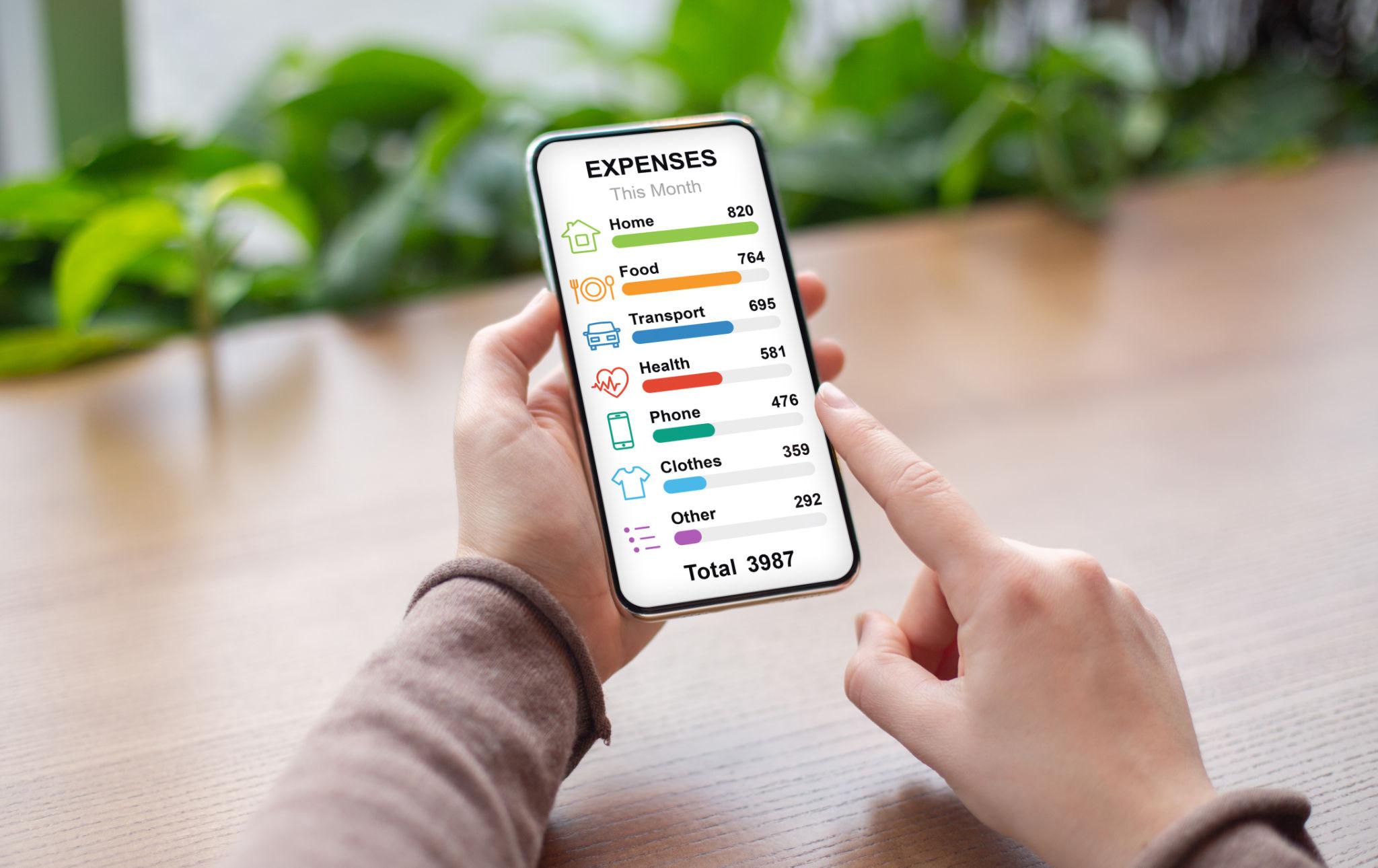
    For example, groceries, utility bills, travel costs, and housing expenses may become more expensive over several years. Understanding how inflation affects your budget allows you to adjust savings goals and spending habits more effectively.

    Rather than fearing inflation, use it as motivation to review your financial plan regularly.


    2. Create a Budget That Reflects Your Priorities

    A budget is not designed to restrict spending—it helps direct money toward what matters most.

    Start by dividing expenses into categories such as:

    • Housing
    • Transportation
    • Food
    • Insurance
    • Debt payments
    • Savings
    • Investments
    • Entertainment

    Tracking expenses each month can reveal opportunities to reduce unnecessary spending while increasing savings or investments.

    Even small monthly improvements often produce meaningful long-term results.


    3. Build an Emergency Fund First

    Before taking additional investment risks, establish a financial safety net.

    Unexpected expenses such as medical bills, home repairs, or temporary unemployment can create financial pressure.

    An emergency fund covering three to six months of essential living expenses provides valuable flexibility and may reduce dependence on high-interest borrowing.

    If saving several months of expenses feels overwhelming, begin with smaller, achievable milestones and increase the fund gradually.


    4. Invest With a Long-Term Perspective

    Investment markets naturally experience periods of growth and decline.

    Attempting to predict short-term market movements can be difficult even for experienced investors.

    Many financial professionals recommend maintaining diversified investments while contributing consistently over time.

    A disciplined, long-term approach often reduces emotional decision-making and allows compound growth to work more effectively.

    Remember that all investments involve risk, including the possible loss of principal.


    5. Eliminate Expensive Debt

    High-interest debt can become one of the largest obstacles to financial progress.

    Interest charges reduce the money available for saving and investing.

    Prioritizing repayment of high-interest balances may improve financial flexibility and reduce future borrowing costs.

    Many households use structured repayment methods, such as paying the highest-interest balance first or eliminating smaller balances to build momentum.


    6. Diversify Your Sources of Income

    Depending entirely on one paycheck may increase financial vulnerability.

    Additional income sources can improve resilience during changing economic conditions.

    Examples include:

    • Freelance work
    • Consulting
    • Rental property income
    • Dividend-paying investments
    • Online businesses
    • Selling digital products
    • Educational services

    Diversified income can help support savings goals while reducing financial uncertainty.


    7. Increase Retirement Savings Gradually

    Retirement planning becomes easier when contributions increase steadily over time.

    Whenever income rises, consider directing part of each raise toward retirement savings before increasing discretionary spending.

    Even small annual increases can produce meaningful long-term growth through consistent investing and compound returns.

    Starting early provides additional time for investments to grow.


    8. Continue Building Financial Knowledge

    Financial education is an investment in itself.

    Economic conditions evolve.

    Tax rules change.

    New financial technologies emerge.

    Reading books, following trusted financial publications, attending educational seminars, or completing online courses can improve financial confidence and decision-making.

    The more informed you become, the better prepared you are to adapt.


    9. Review Your Financial Plan Every Year

    Financial planning should evolve alongside your life.

    Marriage, career changes, business opportunities, children, or retirement may all require adjustments.

    An annual financial review allows you to evaluate:

    • Budget performance
    • Savings progress
    • Investment allocation
    • Insurance coverage
    • Debt reduction
    • Retirement contributions
    • Long-term goals

    Regular reviews help ensure your financial strategy continues supporting your changing priorities.


    Common Money Habits That Support Long-Term Wealth

    While everyone’s financial journey is unique, many financially successful households share similar habits:

    • Spending less than they earn.
    • Saving automatically every month.
    • Investing consistently.
    • Maintaining emergency savings.
    • Avoiding unnecessary debt.
    • Planning for retirement early.
    • Reviewing finances regularly.
    • Continuing financial education.

    These habits may seem simple, but their cumulative impact over decades can be substantial.


    Looking Toward the Future

    Technology is rapidly changing the world of personal finance. Mobile banking, artificial intelligence, automated investing, budgeting applications, and digital payment systems are making financial management more convenient than ever.

    However, no technology can replace the value of disciplined financial behavior.

    Spend intentionally.

    Save consistently.

    Invest patiently.

    Protect yourself from unexpected financial setbacks.

    Continue learning throughout your life.

    Financial independence is rarely achieved overnight. Instead, it develops through countless responsible decisions made over many years. Every budget you create, every dollar you save, and every thoughtful investment you make contributes to greater financial confidence and long-term security.

    In an uncertain economic environment, your strongest financial advantage may not be predicting the future—it may simply be building habits that allow you to adapt, grow, and remain resilient regardless of what the economy brings next.

  • The “Soft Landing” Illusion? Why Smart Money is Betting on a 2026 Slowdown

    The “Soft Landing” Illusion? Why Smart Money is Betting on a 2026 Slowdown


    The “Soft Landing” Illusion? Why Smart Money is Betting on a 2026 Slowdown

    The stock market is hovering near record highs, the unemployment rate remains historically low, and consumer spending, while cooling, hasn’t collapsed. On the surface, the US economy appears to have achieved the “soft landing” that policymakers have been desperately trying to engineer.

    However, a closer look beneath the hood reveals a more complex and concerning picture. The “soft landing” narrative is facing a credibility crisis on Wall Street.

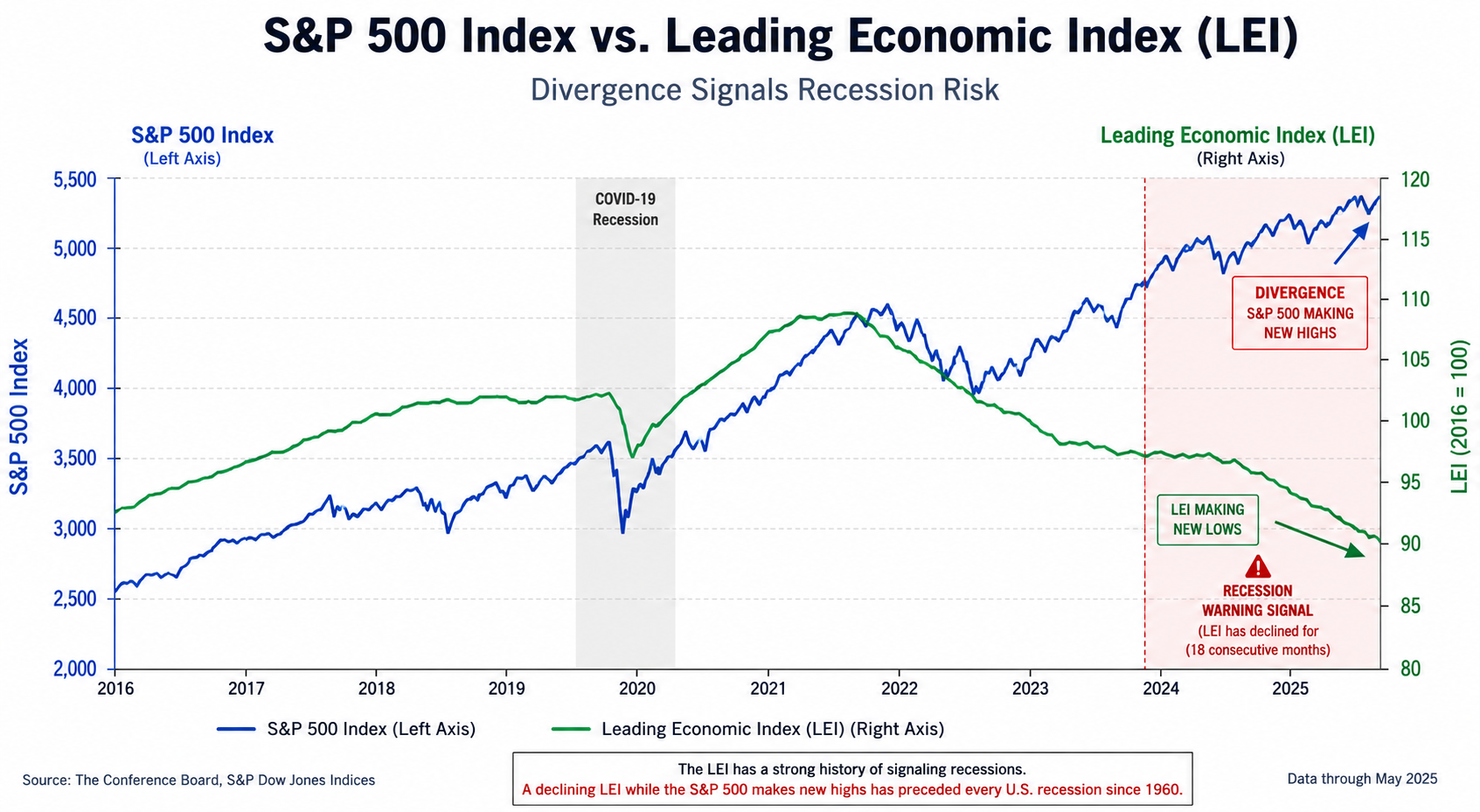
    While the Dow Jones Industrial Average and the S&P 500 show resilience, a growing cohort of economists, fund managers, and corporate executives are quietly preparing for a “harder” landing than the consensus expects. The question for investors isn’t whether a recession will hit, but when and how deep it will be.

    ![Image 1]
    Alt Text: Graph showing the divergence between the S&P 500 index and the Leading Economic Index (LEI), highlighting a recession warning signal.
    Caption: The gap between stock prices and economic fundamentals is widening, a classic pre-recession signal.

    The “Richcession” and the Weakening Consumer

    One of the primary drivers of the current confusion is the bifurcation of the American consumer. We are seeing a phenomenon that some economists are calling a “Richcession”—where the economic slowdown is primarily being felt by lower and middle-income households, while higher-income individuals continue to spend.

    Data from major retailers highlights this divide. Walmart and Target are reporting strong earnings, but they are also noting that consumers are trading down to cheaper brands and buying fewer discretionary items. Conversely, luxury brands like Hermès are still seeing robust demand.

    This split is critical because consumer spending accounts for roughly 70% of US GDP. If the lower 80% of earners—who are feeling the pinch of depleted pandemic savings, rising credit card debt, and stubbornly high prices for essentials—start to cut back further, the “soft landing” could quickly skid off the runway.

    The primary reason the stock market has remained buoyant is the Artificial Intelligence (AI) boom. The “Magnificent Seven” stocks (Apple, Microsoft, Nvidia, etc.) have driven the majority of the market’s gains over the past year. The market is pricing in a productivity miracle driven by AI.

    The AI Hype vs. The Reality of Productivity

    However, there is a growing concern that this is a bubble driven by promise rather than delivery. While AI is undoubtedly transformative, it is still in its early stages. For the stock market to justify its current valuations, companies need to show that AI is significantly boosting revenues and margins today, not just in 2030.

    If corporate earnings fail to meet the sky-high expectations set by the AI narrative, the tech-heavy market could face a significant correction, dragging the broader economy down with it.

    What the Bond Market is Saying (And Stocks Aren’t Listening)

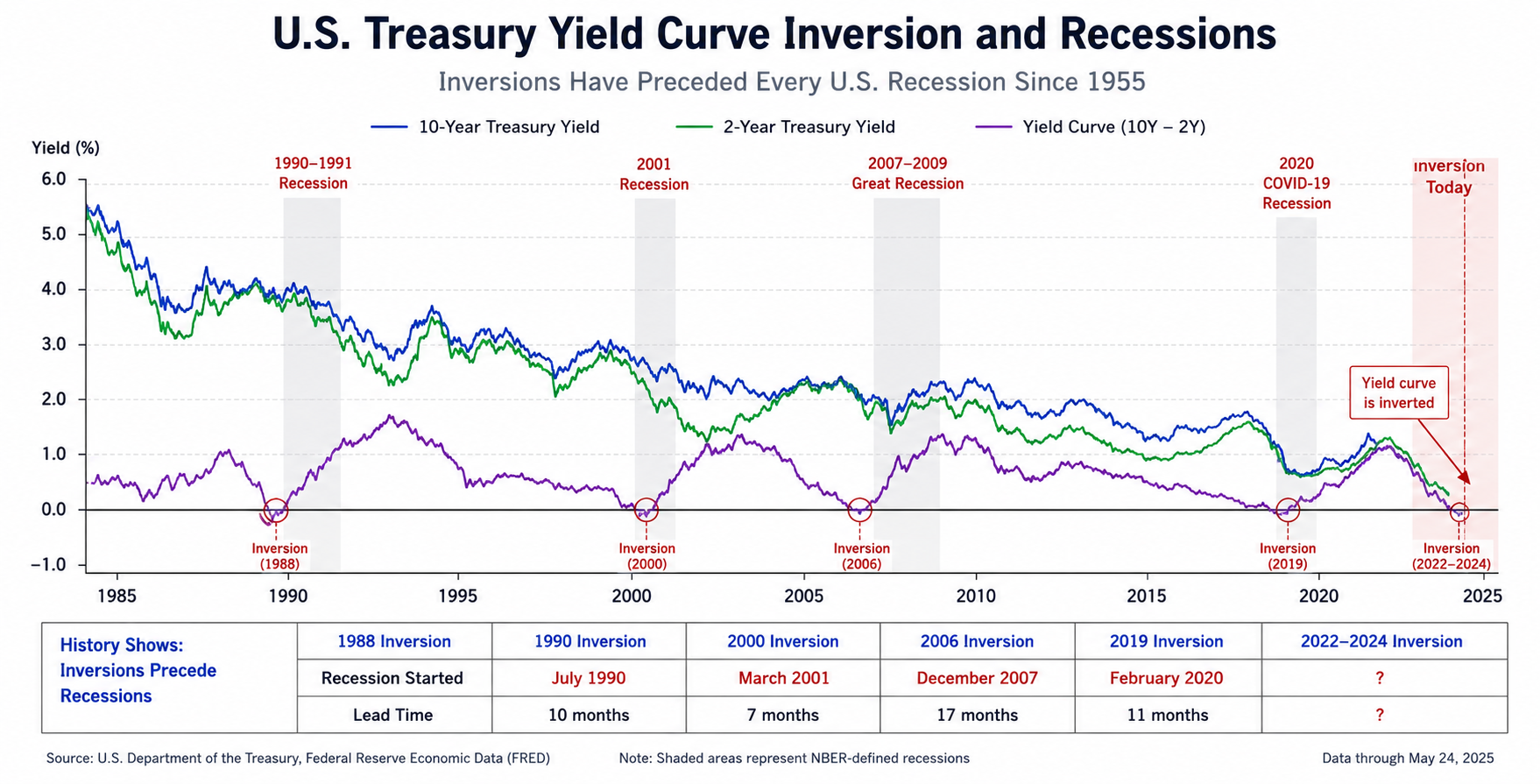
    Perhaps the most reliable recession indicator is the bond market, specifically the yield curve. The US Treasury yield curve has been inverted since 2022—meaning short-term interest rates are higher than long-term rates. Historically, an inverted yield curve has preceded every modern recession.

    While it’s true that the economy hasn’t officially entered a recession yet, the lag time is longer than usual. The warning is clear. Equities are ignoring the bond market, but history suggests it is usually the bond market that is correct.

    ![Image 2]
    Alt Text: US Treasury yield curve chart showing inversion and historical recession timing.
    Caption: The yield curve remains inverted, a signal that has predicted every US recession of the last 50 years.

    Expert Strategy: How to Position for Slowdown

    Given the conflicting signals, how should investors prepare? We spoke to several financial strategists to get a consensus on the best plays for a “slowdown” scenario.

    1. Prioritize Quality and Dividend Aristocrats
    In a slowdown, cash flow is king. Investors should look for companies with strong balance sheets, low debt, and consistent cash flow. “Dividend Aristocrats”—companies in the S&P 500 that have increased dividend payouts for 25+ years—become particularly attractive. They provide a steady income stream that often holds up better than growth stocks during a downturn.

    2. The 60/40 Portfolio is Back
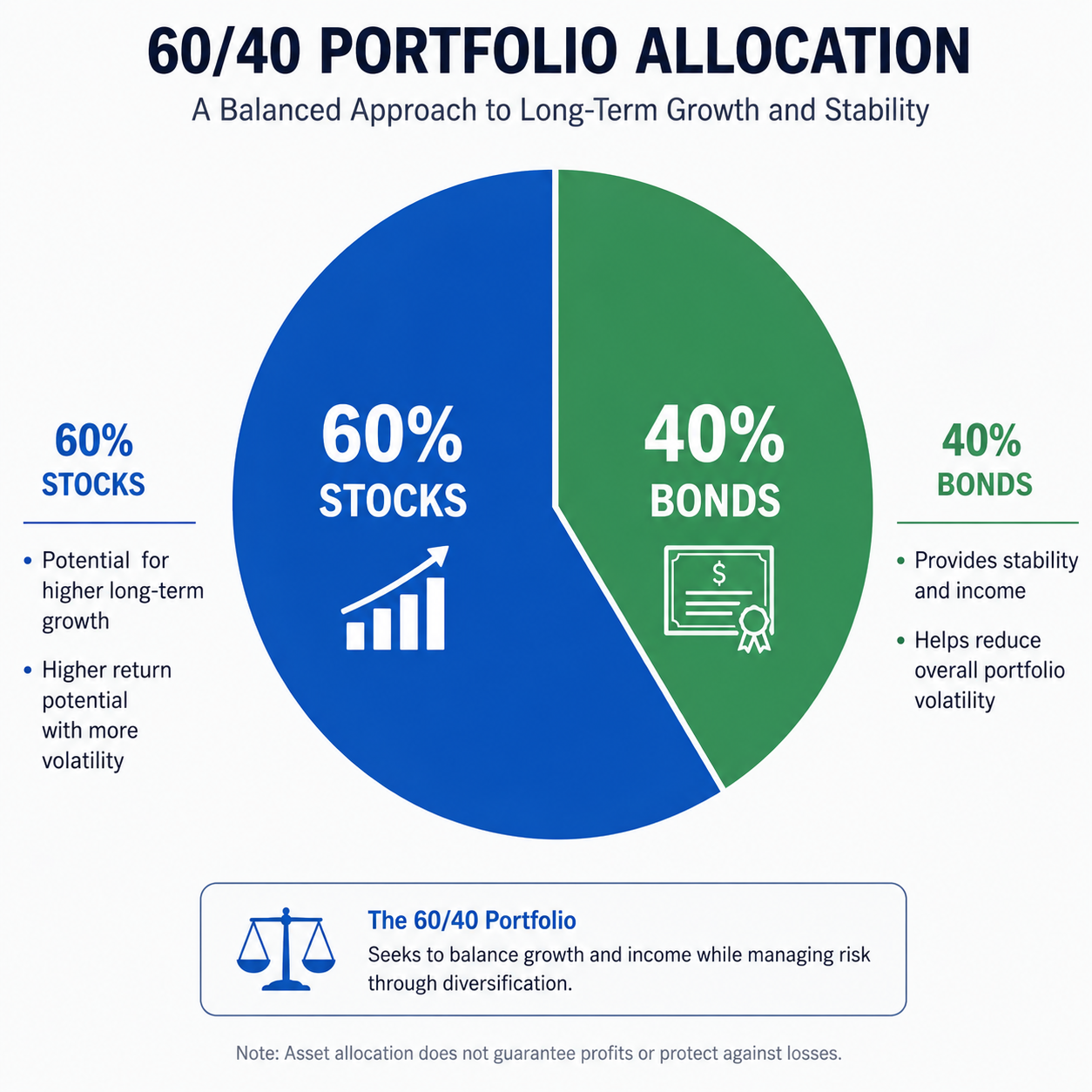
    For years, the classic 60/40 portfolio (60% stocks, 40% bonds) was considered dead. Low interest rates meant bonds didn’t provide the buffer they used to. However, with yields now above 4% on Treasury bonds, the 60/40 portfolio is back. It offers protection against equity volatility and a “risk-free” return that hasn’t been seen in over a decade.

    3. Dollar Cost Averaging
    The phrase “time in the market beats timing the market” is never more true than during a period of uncertainty. Trying to “sell at the top” is practically impossible. Strategists recommend sticking to a dollar-cost averaging strategy—investing a fixed amount of money at regular intervals—to smooth out the volatility.

    ![Image 3]
    Alt Text: A portfolio pie chart illustrating a 60/40 asset allocation split between stocks and bonds.
    Caption: The classic 60/40 portfolio is making a comeback as bonds offer attractive yields.

    Opportunities in a Slowdown: Don’t Panic, Allocate

    Just because a slowdown might be coming doesn’t mean investors should sell everything and go to cash. A slowdown creates opportunities.

    • Utilities and Consumer Staples: These sectors are defensive. People need electricity, water, food, and medicine regardless of what the economy is doing. These stocks tend to be less volatile.
    • Healthcare: Especially pharmaceuticals and insurance, which are typically recession-resistant.
    • Gold: As a hedge against inflation and a safe-haven asset, gold often performs well when real interest rates fall or during geopolitical turmoil.

    The Verdict: Proceed with Caution

    The economic environment of 2026 is one of the most uncertain in recent memory. The data is noisy, and the market seems to be trading on “hope” rather than “data.” While an immediate crash is unlikely, a “soft-ish” landing or a mild recession in the second half of the year is becoming a base case scenario for many firms.

    The Financial Takeaway:

    1. Check your debt: High-interest credit card debt is a wealth killer in a high-rate environment.
    2. Emergency Fund: Ensure you have 6–12 months of living expenses in a liquid high-yield savings account.
    3. Review your holdings: Are you overexposed to unprofitable tech companies? Rotate into cash-flowing assets.

    ![Image 4]
    Alt Text: An image showing a stressed investor looking at a laptop screen with stock charts, representing economic anxiety.
    Caption: Investor anxiety is rising as recession fears persist alongside high market valuations.

    The Central Bank Dilemma

    The Federal Reserve is walking a tightrope. If they cut rates too soon, they risk inflaming inflation again. If they keep rates too high for too long, they risk breaking the economy.

    Recent comments from Fed officials suggest they are in “wait and see” mode. They want to see inflation definitively move toward the 2% target before committing to cuts. However, the labor market is showing signs of softening, with the Job Openings and Labor Turnover Survey (JOLTS) showing fewer job openings.

    This puts the Fed in a difficult position. The markets are pricing in rate cuts, but the data might not justify them yet. This discrepancy is likely to cause volatility in the coming months.

    ![Image 5]
    Alt Text: Federal Reserve building in Washington D.C., representing monetary policy decisions.
    Caption: The Federal Reserve faces a tough decision on interest rates as economic data sends mixed signals.

    Conclusion: The New Normal

    It’s time to accept that the days of zero-interest rates and massive fiscal stimulus are over. We are entering a new financial regime characterized by higher volatility and lower returns. “Buying the dip” may not be the winning strategy it was in the post-2009 era.

    Instead, active management, tactical asset allocation, and a focus on income are set to win the day. The “soft landing” might be a mirage, but a well-prepared portfolio doesn’t rely on the weather—it relies on a solid ship.


    [WORDPRESS UPLOAD DATA]

    Title: The “Soft Landing” Illusion? Why Smart Money is Betting on a 2026 Slowdown (And How to Protect Your Portfolio)

    Category:

    • Finance (Primary)
    • Market Analysis
    • Investment Strategy

    Tags:

    • 2026 Economic Outlook
    • Recession Prep
    • Stock Market Volatility
    • Federal Reserve
    • Inflation
    • AI Bubble
    • Retirement Planning
    • Asset Allocation
    • 60/40 Portfolio
    • Wealth Management

    Featured Image Alt Text: Financial crisis concept with a wooden block tower falling, representing market instability in 2026.


  • Debt Snowball vs. Debt Avalanche: Which Payoff Strategy Is Right for You?

    Debt Snowball vs. Debt Avalanche: Which Payoff Strategy Is Right for You?

    Debt Snowball vs. Debt Avalanche: Which Payoff Strategy Is Right for You?

    If you’re carrying multiple debts — credit cards, a car loan, maybe a personal loan — deciding what to pay off first can feel overwhelming. Two popular strategies make that decision simple: the debt snowball and the debt avalanche.

    Debt Snowball vs. Avalanche Which payoff strategy fits you?

    The Debt Snowball Method

    How it works: List your debts from smallest balance to largest, regardless of interest rate. Put any extra money toward the smallest debt while making minimum payments on the rest. Once the smallest is paid off, roll that payment into the next-smallest, and so on.

    Why people like it: Quick wins. Paying off a full debt early — even a small one — creates momentum and makes the overall goal feel achievable, which helps many people stick with the plan.

    The tradeoff: Because it ignores interest rates, you may pay more in total interest than with other methods, especially if your smallest debt isn’t your highest-rate one.

    The Debt Avalanche Method

    How it works: List your debts from highest interest rate to lowest. Put extra money toward the highest-rate debt first while making minimums on the rest. Once that’s paid off, move to the next-highest rate.

    Why people like it: It’s mathematically optimal — you’ll typically pay less total interest and get out of debt slightly faster in dollar terms.

    The tradeoff: The highest-rate debt isn’t always the smallest, so it can take longer to feel that first win, which makes it harder for some people to stay motivated.

    Which One Should You Choose?

    • Choose the snowball if you know you’re motivated by visible progress and worry about losing steam.
    • Choose the avalanche if you’re comfortable playing the long game and want to minimize total interest paid.
    • There’s no wrong answer. The best strategy is the one you’ll actually stick with. A plan you follow consistently beats a “perfect” plan you abandon after two months.

    Tips That Help With Either Method

    1. List every debt in one place — balance, interest rate, and minimum payment — so you can see the full picture.
    2. Always pay at least the minimum on everything to avoid late fees and credit damage, and put your extra money toward the target debt.
    3. Automate minimum payments so a missed due date never derails your progress.
    4. Consider a balance transfer or consolidation loan if you have strong credit and high-interest credit card debt — this can lower your effective interest rate and speed up either method.
    5. Track your progress visually. A simple chart or app that shows your total debt shrinking can be surprisingly motivating.

    The Bottom Line

    Both the snowball and avalanche methods work — the “best” one is whichever keeps you consistent. Pick a method, automate what you can, and celebrate each debt you fully pay off along the way.

  • A Beginner’s Guide to Investing: Getting Started Without the Overwhelm

    A Beginner’s Guide to Investing: Getting Started Without the Overwhelm

    A Beginner’s Guide to Investing: Getting Started Without the Overwhelm

    Investing can feel intimidating — the jargon alone is enough to make anyone want to close the tab. But the basics are far simpler than they seem, and getting started earlier, even with small amounts, matters more than getting it perfect.

    This article is for general education only and isn’t personalized financial advice. Consider talking to a licensed financial advisor about your specific situation.

    A Beginner’s Guide to Investing Start small, start early, stay consistent

    Why Invest at All?

    Cash sitting in a checking account loses purchasing power over time due to inflation. Investing gives your money the chance to grow faster than inflation, which is essential for long-term goals like retirement.

    Investing vs. Saving

    Saving is for money you’ll need soon and can’t afford to lose — think emergency funds or a house down payment next year. Investing is for money you won’t need for several years, since it comes with short-term ups and downs in exchange for higher long-term growth potential.

    Core Concepts to Know

    • Stocks represent partial ownership in a company. Their value rises and falls with the company’s performance and investor sentiment.
    • Bonds are essentially loans you make to a government or company, paid back with interest. Generally lower risk and lower return than stocks.
    • Index funds and ETFs pool money from many investors to buy a broad basket of stocks or bonds, spreading out risk. These are a common starting point for beginners because they offer instant diversification.
    • Diversification means spreading your money across different investments so that no single one can sink your entire portfolio.
    • Compound growth is the snowball effect of earning returns on your returns. The earlier you start, the more time compounding has to work.

    How to Get Started

    1. Handle the basics first. Build a small emergency fund and pay down high-interest debt before investing — a 20%+ credit card rate is hard to beat with market returns.
    2. Take advantage of employer retirement plans. If your employer offers a matching contribution, that’s essentially free money — try to contribute at least enough to get the full match.
    3. Open an investment account. Options include employer retirement plans, individual retirement accounts, or standard brokerage accounts, depending on your goals and location.
    4. Start with broad, low-cost index funds. They offer diversification without requiring you to pick individual stocks.
    5. Invest consistently. Regular contributions, regardless of market conditions, smooth out the effect of short-term price swings — a strategy often called dollar-cost averaging.

    Mistakes to Avoid

    • Trying to time the market. Even professionals struggle to consistently predict short-term moves.
    • Checking your portfolio too often. Frequent checking during downturns often leads to panic selling at the worst time.
    • Putting emergency savings into investments. Investments can drop in value right when you need the cash most.

    The Bottom Line

    You don’t need to be an expert to start investing — you need a long time horizon, a diversified approach, and consistency. Start small if you have to, but start.

  • Understanding Credit Scores: What They Are and How to Improve Yours

    Understanding Credit Scores: What They Are and How to Improve Yours

    Understanding Credit Scores: What They Are and How to Improve Yours

    Your credit score can affect whether you get approved for a loan, what interest rate you pay, and sometimes even whether you land an apartment or a job. Despite its influence, a lot of people aren’t quite sure what actually goes into it.

    Understanding Credit Scores What they are, and how to improve yours

    What Is a Credit Score?

    A credit score is a three-digit number, typically ranging from 300 to 850, that summarizes how reliably you’ve managed borrowed money. Lenders use it to estimate how risky it is to lend to you.

    What Determines Your Score?

    While the exact formulas are proprietary, the major factors are broadly consistent:

    • Payment history (~35%) — Do you pay bills on time? This is the single biggest factor.
    • Credit utilization (~30%) — How much of your available credit are you using? Lower is better.
    • Length of credit history (~15%) — Older accounts generally help your score.
    • Credit mix (~10%) — A mix of credit types (credit cards, loans) can help slightly.
    • New credit inquiries (~10%) — Opening several new accounts in a short window can ding your score temporarily.

    How to Improve Your Score

    1. Pay on time, every time. Even one missed payment can have an outsized impact. Autopay for at least the minimum due is a simple safeguard.
    2. Keep utilization low. Try to use less than 30% of your available credit limit, and under 10% if you’re aiming for an excellent score.
    3. Don’t close old credit cards. Closing an old account can shorten your credit history and reduce your available credit, both of which can hurt your score.
    4. Limit new applications. Only apply for new credit when you actually need it.

    5. Check your credit report regularly. Errors are more common than you’d think, and disputing them can bump your score up. You’re entitled to a free report from each major bureau on a regular basis.

    Common Myths

    • “Checking my own credit hurts my score.” Checking your own report is a soft inquiry and doesn’t affect your score.
    • “I need to carry a balance to build credit.” You don’t — paying your statement balance in full each month builds credit just as well, without the interest charges.
    • “Income affects my credit score.” It doesn’t directly. Income affects what a lender is willing to approve, but it isn’t part of the score calculation itself.

    The Bottom Line

    Your credit score isn’t a mystery — it’s a reflection of a few consistent habits: paying on time, keeping balances low, and letting accounts age. Build those habits, and the score tends to take care of itself.

  • How to Build an Emergency Fund (Even on a Tight Budget)

    How to Build an Emergency Fund (Even on a Tight Budget)

    How to Build an Emergency Fund (Even on a Tight Budget)

    Car repairs, medical bills, sudden job loss — life has a way of throwing expensive surprises at us. An emergency fund is the buffer that keeps those surprises from turning into debt.

    Building an Emergency Fund Protect yourself from life’s surprises $

    What Counts as an Emergency?

    A true emergency is unexpected, necessary, and urgent — think a broken furnace in winter or an unplanned medical expense. A holiday sale on something you’ve wanted for months doesn’t qualify, no matter how good the deal is.

    How Much Should You Save?

    The traditional advice is three to six months of essential expenses. But if that number feels overwhelming, don’t let it stop you from starting. A more realistic path:

    1. First goal: $500–$1,000. This covers most small emergencies and is enough to keep a minor setback from becoming a credit card balance.
    2. Second goal: one month of expenses. This adds real breathing room.
    3. Long-term goal: three to six months of expenses. This is the cushion that protects you through a job loss or major life disruption.

    Where to Keep It

    Your emergency fund should be easy to access but not too easy. A high-yield savings account, separate from your everyday checking account, is usually the sweet spot — accessible within a day or two, while earning some interest, and just far enough removed that you won’t dip into it for non-emergencies.

    How to Actually Save the Money

    • Automate it. Set up a recurring transfer for right after payday, even if it’s small. Consistency beats intensity.
    • Redirect windfalls. Tax refunds, bonuses, and cash gifts are ideal emergency-fund fuel since you weren’t counting on them anyway.
    • Start with what you can. $20 a week adds up to over $1,000 in a year. The amount matters less than the habit.
    • Cut one recurring expense. Canceling a single unused subscription or renegotiating one bill can fund a meaningful chunk of your savings goal.

    What If You Have to Use It?

    That’s exactly what it’s there for. Using your emergency fund for an actual emergency isn’t a failure — it’s the plan working. Once the dust settles, make rebuilding it a priority again.

    The Bottom Line

    An emergency fund won’t stop bad things from happening, but it will stop them from becoming financial disasters. Start small, automate what you can, and let it grow steadily in the background.