
Tag: Financial Planning

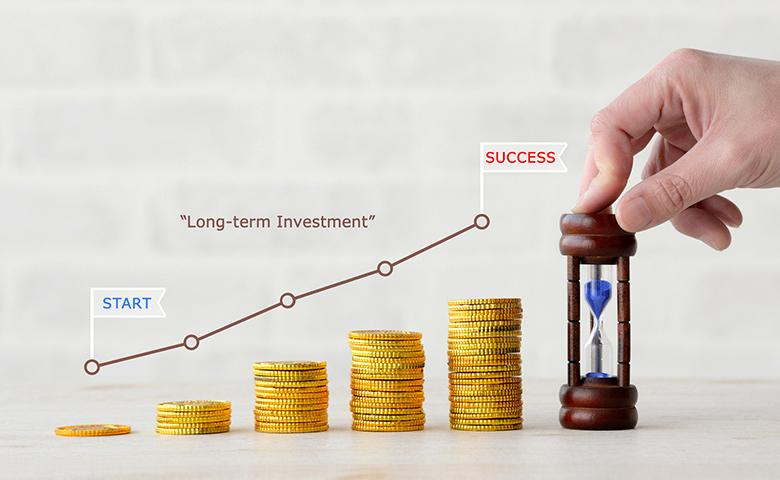
  • Why More Families Are Building Wealth Slowly Instead of Chasing Quick Profits

    Why More Families Are Building Wealth Slowly Instead of Chasing Quick Profits

    Image
    Image
    Image
    Image
    Image
    Image
    Image

    Why More Families Are Building Wealth Slowly Instead of Chasing Quick Profits

    Category: Personal Finance

    Tags: Personal Finance, Family Finance, Wealth Building, Financial Planning, Budgeting, Saving Money, Investing, Emergency Fund, Retirement Planning, Inflation, Financial Literacy, Cash Flow, Passive Income, Smart Money


    Why More Families Are Building Wealth Slowly Instead of Chasing Quick Profits

    For years, headlines have celebrated people who turned small investments into fortunes almost overnight. Stories of rapid gains in stocks, cryptocurrencies, and other speculative assets often dominate social media and financial news. While these stories can be inspiring, they rarely represent how most financially secure families build lasting wealth.

    Across many countries, financial advisors are seeing a different trend. Instead of chasing the latest investment craze, more households are focusing on long-term financial stability through careful planning, disciplined saving, and diversified investing. The goal is not to become wealthy overnight but to create financial security that can withstand economic uncertainty.

    Whether you’re just starting your career or preparing for retirement, adopting practical financial habits today can help improve your financial future for years to come.


    Start With a Clear Financial Roadmap

    A successful financial journey begins with clear goals.

    Ask yourself:

    • How much should I save each month?
    • When do I want to buy a home?
    • How much should I invest for retirement?
    • What financial milestones do I hope to reach in five or ten years?

    Writing down specific goals makes it easier to stay focused and measure progress over time.


    Understand the Importance of Cash Flow

    Cash flow is the movement of money into and out of your household.

    Positive cash flow occurs when income exceeds expenses. Maintaining positive cash flow allows families to save, invest, and prepare for future opportunities.

    Reviewing monthly income and expenses helps identify unnecessary spending and areas where adjustments can improve financial health.

    Small improvements in cash flow often create significant long-term benefits.


    Make Saving a Permanent Habit

    Many people save only when money is left over at the end of the month. Unfortunately, unexpected expenses often reduce those opportunities.

    A more effective strategy is to automate savings.

    Scheduling automatic transfers into a dedicated savings account each payday encourages consistency and removes the temptation to spend first.

    Even modest monthly contributions can grow into meaningful savings over time.


    Diversify Your Financial Future

    Putting all your money into one investment—or relying entirely on one source of income—can increase financial risk.

    Diversification helps reduce that risk by spreading resources across different opportunities.

    Examples include:

    • Emergency savings
    • Retirement accounts
    • Diversified investment funds
    • Small business income
    • Rental income
    • Dividend-paying investments

    Diversification does not guarantee profits, but it can improve financial resilience during changing market conditions.


    Don’t Let Inflation Quietly Reduce Your Purchasing Power

    Inflation gradually increases the cost of everyday goods and services.

    While moderate inflation is normal, it can slowly reduce the value of money held only in low-interest savings accounts.

    Understanding inflation encourages households to think carefully about balancing short-term savings with long-term investment strategies that align with their financial goals and risk tolerance.

    Regular financial reviews can help ensure savings continue supporting future needs.


    Protect What You Build

    Growing wealth is only part of financial planning.

    Protecting those assets is equally important.

    Insurance can help reduce the financial impact of unexpected events such as accidents, illness, natural disasters, or property damage.

    Reviewing insurance coverage every year helps ensure protection remains appropriate as your financial situation changes.


    Continue Learning About Money

    Financial literacy is a lifelong skill.

    Markets change.

    Interest rates move.

    Tax regulations evolve.

    Technology introduces new financial tools.

    Reading trusted financial publications, attending workshops, or following reputable educational resources can improve confidence and support better financial decisions throughout life.

    Knowledge often produces lasting financial value.


    Prepare for Retirement Earlier Than You Think

    Retirement planning becomes easier when started early.

    Even relatively small investments made consistently over many years may benefit from compound growth.

    Waiting until later in life often requires much larger contributions to reach similar retirement goals.

    Reviewing retirement savings regularly allows adjustments as income and financial priorities change.


    Avoid Emotional Financial Decisions

    Financial markets naturally experience periods of growth and decline.

    Making decisions based solely on fear or excitement may lead to unnecessary risks.

    Successful long-term investors often follow disciplined investment plans rather than reacting to daily headlines.

    Remaining focused on long-term objectives can reduce stress during periods of market uncertainty.


    Financial Success Is Built One Decision at a Time

    Building wealth is rarely about one extraordinary investment.

    Instead, financial security usually reflects thousands of responsible decisions made consistently over many years.

    Simple habits—including budgeting, saving regularly, investing patiently, reducing unnecessary debt, and continuing financial education—can gradually create meaningful financial progress.

    While everyone’s financial journey is different, consistency remains one of the strongest predictors of long-term success.


    Looking Toward the Future

    Modern technology has made financial management more accessible than ever. Mobile banking, digital investment platforms, budgeting applications, and artificial intelligence are helping individuals monitor spending, automate savings, and manage investments more efficiently.

    Despite these innovations, the foundations of personal finance remain unchanged.

    Spend thoughtfully.

    Save consistently.

    Invest for the long term.

    Protect your financial future.

    Continue learning throughout your life.

    Economic conditions will continue to change, but disciplined financial habits remain valuable in every environment. By focusing on steady progress instead of quick profits, families can build lasting financial confidence, reduce uncertainty, and create opportunities for future generations.

    The road to financial security is not always fast, but it is achievable through informed decisions, patience, and consistent action.

    Alt Text for Images

    1. Person reviewing monthly financial goals with a laptop, notebook, and calculator.
    2. Young couple discussing budgeting and saving for their first home.
    3. Financial advisor explaining diversified investment strategies during a client meeting.
    4. Small business owner reviewing cash flow and financial reports.
    5. Piggy bank beside stacks of coins symbolizing long-term savings and wealth growth.
    6. Retirement planning documents with a calculator and savings statements.
    7. Modern financial district skyline representing economic growth, investment opportunities, and personal finance.

  • Cash Is No Longer King? How Smart Investors Are Adapting to a Changing Financial World

    Cash Is No Longer King? How Smart Investors Are Adapting to a Changing Financial World

    Image
    Image
    Image
    Image
    Image
    Image
    Image

    Cash Is No Longer King? How Smart Investors Are Adapting to a Changing Financial World


    Cash Is No Longer King? How Smart Investors Are Adapting to a Changing Financial World

    For decades, saving money in a traditional bank account was considered one of the safest ways to build financial security. While maintaining cash reserves remains an essential part of responsible money management, today’s economic environment has encouraged many households to rethink how they manage their finances.

    Inflation, fluctuating interest rates, advances in digital banking, and easier access to investment platforms have changed the way people approach saving and investing. As a result, more individuals are exploring strategies that balance security with long-term growth.

    Financial experts generally agree that there is no single solution for everyone. Instead, successful financial planning involves combining healthy saving habits with thoughtful investing, careful budgeting, and regular financial reviews.


    Why Inflation Matters

    Inflation refers to the gradual increase in the prices of goods and services over time. While moderate inflation is a normal part of a healthy economy, it can reduce the purchasing power of money if savings do not grow at a similar pace.

    For example, if prices rise faster than the interest earned in a savings account, the real value of those savings may gradually decline. This is why many financial planners encourage people to think beyond simply accumulating cash and to consider long-term strategies that may help preserve purchasing power.

    Understanding inflation can help households make more informed decisions about saving, investing, and spending.


    Build a Strong Financial Foundation First

    Before focusing on investments, experts recommend establishing a solid financial base.

    This usually includes:

    • Creating a realistic monthly budget.
    • Building an emergency fund covering several months of essential expenses.
    • Paying down high-interest debt.
    • Maintaining appropriate insurance coverage.

    These steps help reduce financial stress and provide greater flexibility when unexpected situations arise.


    The Importance of Diversification

    One of the oldest principles in investing is diversification.

    Rather than placing all available funds into a single investment, diversification involves spreading money across different types of assets. This approach may reduce overall risk because different investments often respond differently to changing market conditions.

    A diversified portfolio might include a combination of stocks, bonds, cash savings, and other investment assets depending on an individual’s financial goals, time horizon, and tolerance for risk.

    Diversification does not eliminate investment risk, but it can help manage it over the long term.


    Consistency Often Beats Perfect Timing

    Many people hesitate to invest because they worry about buying at the wrong time.

    Financial history has shown that consistently investing over many years often proves more effective than trying to predict short-term market movements.

    Making regular contributions—whether monthly or quarterly—can reduce the influence of market volatility and encourage disciplined investing.

    Long-term investing rewards patience more often than frequent trading.


    Automation Can Improve Financial Discipline

    Technology has made managing personal finances easier than ever.

    Automatic bill payments help avoid late fees.

    Automatic transfers into savings accounts encourage consistent saving.

    Automatic investment contributions remove emotion from investing.

    These simple systems reduce the need for constant decision-making and make healthy financial habits easier to maintain.


    Retirement Planning Should Start Early

    Many workers postpone retirement planning because it feels far away.

    However, time is one of the most valuable advantages investors possess.

    Beginning retirement savings early allows investments more years to benefit from compound growth.

    Even relatively small monthly contributions can become substantial over several decades.

    Those who start later may need to save significantly more each month to achieve similar results.


    Building Multiple Sources of Income

    Economic uncertainty has encouraged many households to diversify their income as well as their investments.

    Additional income may come from:

    • Freelance work
    • Consulting
    • Small businesses
    • Dividend investments
    • Rental properties
    • Online educational products
    • Digital services

    While not every opportunity suits every individual, multiple income streams can improve financial resilience and accelerate long-term wealth building.


    Continue Improving Financial Knowledge

    Financial education is an ongoing process.

    Interest rates change.

    Tax rules evolve.

    Investment products expand.

    New technologies continue transforming banking and investing.

    Reading trusted financial publications, attending educational seminars, and learning from qualified professionals can improve confidence when making financial decisions.

    Knowledge often becomes one of the most valuable long-term investments.


    Common Financial Mistakes

    Even experienced investors occasionally make mistakes.

    Some of the most common include:

    • Spending more than you earn.
    • Ignoring emergency savings.
    • Carrying expensive debt.
    • Chasing investment trends.
    • Making emotional decisions during market volatility.
    • Failing to review financial goals regularly.
    • Neglecting retirement planning.

    Recognizing these habits early allows people to make adjustments before they become larger financial challenges.


    Looking Toward the Future

    Artificial intelligence, digital banking, and financial technology continue changing how people save, invest, and manage money. These innovations offer convenience and improved access to financial services, but they do not replace the importance of sound financial principles.

    Successful money management still depends on:

    • Spending responsibly.
    • Saving consistently.
    • Investing with patience.
    • Managing risk carefully.
    • Continuing financial education.
    • Planning for long-term goals.

    Financial security is rarely achieved through one extraordinary decision. Instead, it grows through thousands of thoughtful choices made over many years.

    No matter your current financial situation, every positive financial habit you develop today can help strengthen your future. By balancing careful saving with disciplined investing and ongoing learning, you can build greater confidence, resilience, and long-term financial stability in an ever-changing economy.

    Alt Text

    1. Woman reviewing a monthly budget using a laptop, calculator, and financial notebook.
    2. Investor comparing diversified investment portfolios across multiple digital screens.
    3. Financial planner discussing wealth management strategies with clients.
    4. Young entrepreneur organizing business finances in a modern office.
    5. Piggy bank surrounded by coins representing consistent savings and financial growth.
    6. Retired couple walking along a beach symbolizing financial independence and retirement planning.
    7. Global financial district skyline representing economic growth, investing, and modern finance.
  • The Hidden Cost of Bad Money Habits: 10 Financial Mistakes That Could Be Holding You Back

    The Hidden Cost of Bad Money Habits: 10 Financial Mistakes That Could Be Holding You Back

    https://images.openai.com/static-rsc-4/OCmpZJBfqE-Knj1ePXthZt2s2BgPdte-AQAQoVJwLZuzEy4hsWaAZ_3ruW3BaECKBpjLyG7NlKLBvSnkIXZQoMacTm_uu0X7mjQF6RQ4t1ruO0DjnDyb7N4x0uHKL90v9HACnF6tN4LehXA32d7Mm2o5kG1kZ03RXIKmvLtADamoDEJP7rwbhlSFU5BFNiPc?purpose=fullsize
    https://images.openai.com/static-rsc-4/o0Ab_xIB_o3yKFQrVBL9wKILNxCYhtO4QH-GzkKpaHcvuk4zVPypM-NBT_IG5-5V2F67t35uJSgogyKNaExYNNg9zjD4LnzyeL3h-9s-8rKkHKVTTCEFb7Mm56xIgnE_Y4u2R-Iek0kJbSOKhIy8-foL_6YFLv9W7_8kGxbTWjdxWN7qMCBvqV6v3DyHiF77?purpose=fullsize
    https://images.openai.com/static-rsc-4/BhjcRIauyD0FXBS1akxV_72XH2xVBopx208QWL0vwP3dMzSJRXJ5PxRuppTxk6MMqnNmYwNnpKGyCX04bldDN6Kuw7smkmuBi0zPalsfKIoLKfGdw4EMSGqwLhqv-HhLtwsC13coDDnk51BSDdXkX_5L9GAKGyu8QMPfX_WdEJ6rOqSGLQ6eOinuyi5Kevza?purpose=fullsize

    4

    The Hidden Cost of Bad Money Habits: 10 Financial Mistakes That Could Be Holding You Back


    The Hidden Cost of Bad Money Habits: 10 Financial Mistakes That Could Be Holding You Back

    Financial success is often associated with earning a high salary, but income alone does not guarantee long-term stability. Around the world, many people with comfortable incomes still struggle to save, invest, or prepare for retirement because of everyday financial habits that slowly erode their wealth.

    While no one is perfect with money, recognizing common mistakes is the first step toward building a stronger financial future. The good news is that small improvements, repeated consistently over time, can have a significant impact.

    Below are ten financial mistakes that experts frequently identify—and practical ways to avoid them.


    1. Living Without a Budget

    Many households know how much they earn but have only a rough idea of where their money goes.

    Without a budget, it’s easy for spending to exceed expectations through small daily purchases, recurring subscriptions, or impulse shopping.

    Creating a monthly budget doesn’t mean eliminating enjoyment. Instead, it helps ensure that your spending reflects your priorities while leaving room for savings and future goals.

    Reviewing your budget each month also allows you to adjust as your circumstances change.


    2. Delaying Emergency Savings

    Unexpected expenses are inevitable. A medical bill, car repair, or home maintenance issue can quickly become stressful without a financial cushion.

    An emergency fund helps reduce the need to rely on high-interest loans or credit cards during difficult times.

    Many financial professionals recommend saving enough to cover three to six months of essential living expenses. Building this reserve gradually through automatic deposits can make the goal more achievable.


    3. Carrying High-Interest Debt

    Credit cards can be useful financial tools when balances are paid in full. However, carrying high-interest debt month after month can become expensive.

    Interest charges reduce the money available for investing, saving, or other financial goals.

    If possible, prioritize paying off high-interest balances while avoiding unnecessary new debt.

    Every payment reduces future interest costs and improves financial flexibility.


    4. Ignoring Retirement Planning

    Retirement may seem distant, especially for younger workers, but waiting too long can reduce the benefits of long-term investing.

    Thanks to compound growth, investments made early often have decades to generate additional returns.

    Even modest monthly contributions can grow significantly over time.

    Starting early is often more important than investing large amounts later.


    5. Trying to Time the Market

    Many investors attempt to buy at the lowest price and sell at the highest.

    In reality, consistently predicting short-term market movements is extremely difficult.

    Long-term investing through diversified portfolios has historically rewarded patience rather than frequent trading.

    Regular investing, regardless of temporary market fluctuations, can reduce emotional decision-making.


    6. Depending on Only One Income Source

    Relying entirely on one paycheck may increase financial risk.

    Unexpected job changes or economic downturns can affect household income with little warning.

    Building additional income streams—such as freelance work, consulting, dividend investments, rental income, or online businesses—can improve financial resilience and accelerate savings.

    Even a modest secondary income can make a meaningful difference.


    7. Overlooking Insurance Protection

    Insurance is an important part of financial planning.

    Health, home, vehicle, life, and disability insurance can help protect against unexpected financial losses.

    Reviewing policies regularly ensures your coverage continues to meet your changing needs while avoiding gaps in protection.

    Insurance cannot prevent emergencies, but it can reduce their financial impact.


    8. Failing to Increase Savings After a Raise

    Salary increases provide an excellent opportunity to improve long-term finances.

    However, many people immediately increase their spending instead.

    Allocating part of every raise toward savings, retirement accounts, or investments allows wealth to grow alongside income while still leaving room to enjoy improved financial circumstances.

    Small increases today can produce substantial results over many years.


    9. Neglecting Financial Education

    Financial knowledge is one of the few investments that continually pays dividends.

    Understanding topics such as budgeting, investing, inflation, taxes, insurance, and retirement planning helps people make more informed financial decisions.

    Books, reputable financial websites, podcasts, and educational courses all provide valuable opportunities to strengthen financial literacy.

    The more informed you become, the more confident your decisions are likely to be.


    10. Focusing on Short-Term Results

    Many people become discouraged when they don’t see immediate progress.

    Building wealth, however, is usually a long-term process.

    Consistent saving, disciplined investing, controlled spending, and careful planning often produce better outcomes than chasing quick profits or reacting to market headlines.

    Patience is one of the most valuable financial skills.


    Practical Habits That Can Improve Financial Health

    In addition to avoiding common mistakes, several positive habits can strengthen long-term financial security:

    • Review your budget every month.
    • Save automatically whenever possible.
    • Increase retirement contributions over time.
    • Pay bills on time.
    • Monitor your credit report regularly.
    • Diversify investments.
    • Review insurance coverage annually.
    • Set measurable financial goals.
    • Track progress throughout the year.

    These simple actions may appear small individually, but together they create a solid financial foundation.


    Looking Ahead

    Technology has transformed personal finance. Mobile banking apps, automated investing platforms, digital payment systems, and budgeting tools now make managing money easier than ever before.

    Despite these advances, the core principles of financial success remain unchanged.

    Spend less than you earn.

    Save consistently.

    Invest for the long term.

    Protect yourself from financial setbacks.

    Continue learning and adapting as economic conditions evolve.

    Financial independence is rarely achieved through a single breakthrough. Instead, it is built through years of thoughtful planning and responsible decisions.

    No matter where you are today, improving just one financial habit can begin creating positive momentum. Over time, those small improvements may become the foundation for lasting financial security and greater peace of mind.

  • The Wealth Gap Is Growing: 10 Smart Financial Habits That Can Help Protect Your Future

    The Wealth Gap Is Growing: 10 Smart Financial Habits That Can Help Protect Your Future

    The Wealth Gap Is Growing: 10 Smart Financial Habits That Can Help Protect Your Future

    Image
    Image
    Image
    Image
    Image
    Image

    The Wealth Gap Is Growing: 10 Smart Financial Habits That Can Help Protect Your Future

    Category: Personal Finance

    Tags: Personal Finance, Financial Planning, Wealth Building, Saving Money, Investing, Budgeting, Emergency Fund, Retirement Planning, Passive Income, Financial Literacy, Smart Money, Money Management, Inflation, Financial Freedom


    The Wealth Gap Is Growing: 10 Smart Financial Habits That Can Help Protect Your Future

    In today’s economy, many people are asking the same question: How can I build financial security when everything seems to cost more? Inflation, rising housing prices, and changing job markets have made managing money more challenging than ever. While no one can predict the future with certainty, financial experts agree that building healthy financial habits is one of the best ways to prepare for whatever comes next.

    Contrary to popular belief, becoming financially secure is rarely the result of winning the lottery or making a single lucky investment. Instead, it is often built through consistent decision-making, disciplined saving, and long-term planning.

    Here are ten financial habits that can help strengthen your finances regardless of your current income level.


    1. Know Exactly Where Your Money Goes

    The first step toward improving your finances is understanding your spending habits.

    Many people underestimate how much they spend on subscriptions, dining out, impulse purchases, and online shopping. Tracking expenses for one month can reveal surprising patterns and identify opportunities to save without sacrificing quality of life.

    Even small daily purchases can add up significantly over an entire year.


    2. Build Multiple Streams of Income

    Relying on one paycheck can create financial risk if unexpected circumstances arise.

    Many financially successful individuals supplement their primary income through side businesses, freelance work, investments, rental properties, dividend-paying stocks, or digital products.

    Additional income doesn’t have to be large. Even modest earnings can accelerate savings, reduce debt, or increase investment contributions.


    3. Make Saving Automatic

    One of the simplest ways to save consistently is to remove the need to think about it.

    Automatic transfers from your paycheck or checking account into a savings or investment account help build wealth over time while reducing the temptation to spend.

    Many people discover they barely notice the money leaving their account once the habit becomes routine.


    4. Keep Lifestyle Inflation Under Control

    As income increases, spending often rises as well. This phenomenon is known as lifestyle inflation.

    Buying a larger home, upgrading vehicles, or purchasing luxury items with every salary increase may delay long-term financial goals.

    Instead, consider saving or investing a portion of every raise before adjusting your lifestyle.


    5. Invest for the Long Term

    Short-term market fluctuations are normal.

    Historically, diversified investments held over many years have generally provided stronger long-term growth than attempting to predict daily market movements.

    Patience remains one of the most valuable qualities an investor can develop.

    Regular investing, even during uncertain periods, often proves more effective than trying to perfectly time the market.


    6. Protect Yourself with Insurance

    Building wealth also means protecting it.

    Health insurance, life insurance, disability coverage, and appropriate property insurance can help prevent unexpected events from becoming financial disasters.

    Reviewing insurance policies every few years ensures coverage continues to match changing life circumstances.


    7. Continue Improving Financial Knowledge

    The financial world changes constantly.

    Interest rates fluctuate.

    Tax laws evolve.

    Investment products become more sophisticated.

    Reading books, following reputable financial educators, and understanding basic financial principles can improve decision-making throughout life.

    Knowledge reduces costly mistakes.


    8. Plan for Retirement Early

    Retirement may seem far away, but time is one of the most powerful financial advantages.

    The earlier investments begin, the longer compound growth has to work.

    Even relatively small monthly contributions can grow substantially over several decades.

    Waiting ten years to start can significantly reduce future retirement savings compared with investing consistently from an earlier age.


    9. Review Financial Goals Every Year

    Financial plans should evolve with life.

    Marriage, children, career changes, home purchases, or business opportunities may require adjustments to budgets and investment strategies.

    An annual financial review helps ensure goals remain realistic and progress stays on track.


    10. Remember That Wealth Is Built Gradually

    Many headlines celebrate people who become wealthy quickly, but those stories are exceptions rather than the rule.

    Most financially successful households accumulate wealth slowly through disciplined saving, careful investing, and avoiding unnecessary debt.

    Consistency often beats intensity.

    Building wealth resembles running a marathon rather than a sprint.


    The Power of Compound Growth

    Compound growth is frequently described as one of the most powerful concepts in finance because investment earnings generate additional earnings over time.

    For example, investing regularly over several decades can produce significantly larger balances than waiting until later in life, even if the monthly contribution is modest.

    This is why financial advisors often encourage starting as early as possible.


    Financial Mistakes That Can Slow Progress

    While everyone makes occasional money mistakes, avoiding these common pitfalls can improve long-term financial outcomes:

    • Spending more than you earn
    • Ignoring retirement planning
    • Carrying high-interest debt
    • Making emotional investment decisions
    • Failing to diversify investments
    • Not maintaining an emergency fund
    • Waiting too long to begin investing

    Recognizing these habits early allows people to make adjustments before they become larger problems.


    Looking Toward the Future

    Technology is transforming personal finance. Mobile banking, digital investing platforms, artificial intelligence, and financial automation are making it easier than ever to manage money.
    However, the fundamentals remain unchanged.

    Spend wisely.

    Save consistently.

    Invest patiently.

    Protect your finances.

    Continue learning.

    These habits may appear simple, but over many years they can create meaningful financial security and provide greater confidence during uncertain economic times.

    Financial success is not determined by a single decision—it is built through thousands of thoughtful choices made consistently over a lifetime.

    Alt Text

    1. Investor analyzing stock market charts on a laptop before making financial decisions.
    2. Family reviewing a monthly household budget around the dining table.
    3. Financial advisor explaining retirement planning and long-term investment strategies.
    4. Small business owner organizing financial records in a modern office.
    5. Person using a mobile banking application to transfer money into savings.
    6. Diversified investment portfolio displayed with charts and financial reports.
    7. Modern city skyline representing economic growth, business success, and financial opportunity.
  • Retire Richer, Not Harder: 7 Smart Money Moves Financial Experts Say More People Should Make Today

    Retire Richer, Not Harder: 7 Smart Money Moves Financial Experts Say More People Should Make Today


    Retire Richer, Not Harder: 7 Smart Money Moves Financial Experts Say More People Should Make Today

    Category: Personal Finance

    Tags: Personal Finance, Money Tips, Financial Planning, Budgeting, Investing, Emergency Fund, Retirement, Saving Money, Wealth Building, Financial Freedom, Smart Investing, Financial Education


    Retire Richer, Not Harder: 7 Smart Money Moves Financial Experts Say More People Should Make Today

    Managing money has never been more important. Rising living costs, economic uncertainty, and changing job markets have encouraged millions of people to rethink how they save, spend, and invest. While there is no magic formula for becoming wealthy overnight, financial experts agree that consistent habits often matter more than chasing the next big opportunity.

    Whether you’re just starting your financial journey or looking to strengthen your long-term plans, these seven practical money moves can help build a stronger financial future. They are simple, realistic, and designed for people at every income level.


    1. Build an Emergency Fund Before Anything Else

    One unexpected expense can quickly derail even the best financial plan. Medical bills, vehicle repairs, home maintenance, or sudden job loss can create financial stress if you aren’t prepared.

    Financial planners generally recommend building an emergency fund that covers between three and six months of essential living expenses.

    If that sounds overwhelming, start smaller. Even saving the equivalent of one month’s expenses can provide valuable protection while you continue growing your savings.

    A separate high-yield savings account can make it easier to avoid spending this money on everyday purchases while still keeping it accessible during emergencies.


    2. Create a Budget That Actually Works

    Many people avoid budgeting because they believe it limits their freedom. In reality, a good budget gives you more control over your money.

    Rather than tracking every penny forever, focus on understanding where your income goes each month.

    A popular approach is the 50/30/20 rule:

    • 50% for necessities
    • 30% for personal spending
    • 20% for savings and investments

    The exact percentages may vary depending on your circumstances, but creating spending categories helps identify unnecessary expenses that quietly drain your finances.

    Modern budgeting apps and online banking tools can also automate much of the process.


    3. Pay Off High-Interest Debt Quickly

    Credit card balances can become expensive if left unpaid for long periods.

    Interest charges often grow faster than investment returns, making debt repayment one of the smartest financial investments available.

    Many experts recommend one of two strategies:

    • Debt Snowball: Pay off the smallest balances first to build motivation.
    • Debt Avalanche: Pay off the highest interest rates first to reduce total interest costs.

    Either strategy can work—the key is staying consistent.

    Avoid accumulating additional debt while paying down existing balances whenever possible.


    4. Invest Early and Stay Consistent

    One of the biggest advantages investors have is time.

    Thanks to compound growth, even modest monthly investments can grow significantly over several decades.

    Instead of trying to predict market highs and lows, many experienced investors contribute a fixed amount regularly through a strategy known as dollar-cost averaging.

    Diversified investments, such as broad-market index funds, have historically provided long-term growth while reducing the risks associated with investing in individual companies.

    The earlier someone starts investing, the more time compound returns have to work.


    5. Increase Retirement Contributions Whenever Income Grows

    Receiving a raise is exciting—but it can also become an opportunity to strengthen future financial security.

    Instead of increasing spending with every salary increase, consider directing part of that additional income toward retirement savings.

    Even increasing retirement contributions by just 1% each year can make a substantial difference over several decades.

    Many employers also offer retirement matching contributions, which essentially provide additional money toward retirement savings.

    Taking full advantage of these benefits can significantly improve long-term financial outcomes.


    6. Continue Learning About Personal Finance

    Financial education doesn’t end after opening a bank account or starting an investment portfolio.

    Markets change.

    Tax rules evolve.

    New financial products appear every year.

    Reading books, following trustworthy financial educators, listening to reputable podcasts, and staying informed about economic trends can help people make more confident financial decisions.

    Understanding topics like inflation, diversification, insurance, taxes, and retirement planning provides valuable knowledge that compounds over time.

    Knowledge is one of the few investments that continually pays dividends.


    7. Focus on Long-Term Goals Instead of Short-Term Trends

    Social media frequently showcases stories of overnight wealth through speculative investments or trending financial opportunities.

    While these stories attract attention, they rarely represent sustainable wealth-building strategies.

    Long-term financial success usually comes from:

    • Consistent saving
    • Regular investing
    • Controlled spending
    • Managing debt wisely
    • Maintaining realistic expectations

    Patience often outperforms impulsive financial decisions.

    Successful investors frequently hold diversified portfolios for years rather than constantly buying and selling based on headlines.


    Common Financial Mistakes to Avoid

    Even people with good incomes sometimes struggle financially because of avoidable habits.

    Some of the most common mistakes include:

    • Living beyond your means
    • Ignoring emergency savings
    • Carrying high-interest credit card debt
    • Delaying retirement investing
    • Making emotional investment decisions
    • Failing to review insurance coverage
    • Not having a basic financial plan

    Recognizing these mistakes early can prevent larger financial problems later.


    Why Small Habits Matter More Than Big Wins

    Many people assume wealth comes from earning a very high salary.

    While income certainly helps, research consistently shows that spending habits, saving consistency, and disciplined investing often play an even greater role.

    For example, someone who consistently saves 15–20% of their income for decades may build substantial wealth regardless of whether they earn an average or above-average salary.

    Financial independence is often the result of thousands of smart decisions rather than one lucky investment.


    Looking Ahead

    The financial world will continue changing with new technologies, digital banking, artificial intelligence, and evolving investment opportunities. Yet the core principles of personal finance remain remarkably consistent.

    Build an emergency fund.

    Spend less than you earn.

    Pay down expensive debt.

    Invest consistently.

    Plan for retirement.

    Continue learning.

    These habits may not generate overnight riches, but they provide something far more valuable—long-term financial security and peace of mind.

    No matter your age or current financial situation, the best time to improve your financial future is today. Every smart financial decision, no matter how small, moves you one step closer to greater stability and lasting wealth.