

4
Financial Reset 2026: 10 Smart Money Decisions That Could Strengthen Your Wealth in the Years Ahead
Category: Personal Finance
Tags: Personal Finance, Financial Planning, Money Management, Wealth Building, Budgeting, Saving Money, Investing, Retirement Planning, Emergency Fund, Financial Literacy, Inflation, Passive Income, Smart Investing, Economic Trends
Financial Reset 2026: 10 Smart Money Decisions That Could Strengthen Your Wealth in the Years Ahead
Economic conditions rarely stay the same for long. Interest rates fluctuate, inflation changes the cost of everyday goods, new technologies reshape banking, and investment markets experience periods of both growth and uncertainty. While these changes can make personal finance seem complicated, the core principles of building wealth remain remarkably consistent.
Financial security is not about predicting every economic trend or finding the perfect investment. Instead, it comes from making thoughtful decisions repeatedly over time. Households that consistently budget, save, invest, and plan for the future are often better prepared to navigate changing economic conditions than those who rely on short-term opportunities.
As 2026 continues to bring new financial challenges and opportunities, now may be an ideal time to review your money habits and strengthen your long-term financial plan.
1. Review Your Entire Financial Picture
Many people focus only on their monthly income, but true financial health involves much more.
Take time each year to review:
- Income
- Monthly expenses
- Savings balances
- Investment accounts
- Outstanding debt
- Insurance coverage
- Retirement savings
- Financial goals
Looking at your complete financial picture helps identify strengths and areas that need improvement.
2. Give Every Dollar a Purpose
One of the simplest ways to improve financial management is assigning every dollar a specific job.
Some income pays for housing and utilities.
Some covers groceries and transportation.
Some goes toward retirement.
Some builds emergency savings.
When every dollar has a purpose, unnecessary spending often becomes easier to identify and reduce.
3. Build Financial Flexibility
Financial flexibility means having enough available resources to respond to unexpected opportunities or challenges.
This includes:
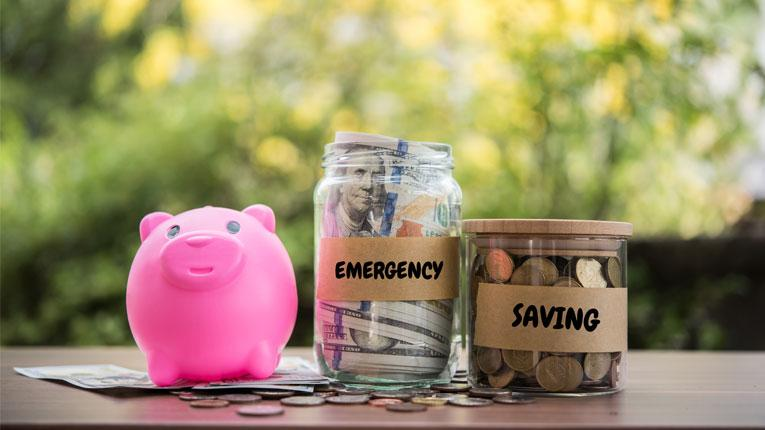
- Emergency savings
- Low debt levels
- Reliable insurance
- Healthy cash flow
- Accessible savings
Financial flexibility reduces stress and allows households to make decisions based on long-term goals instead of short-term financial pressure.
4. Understand Risk Before Investing
Every investment involves some degree of risk.
Higher potential returns often come with greater uncertainty.
Before investing, consider:
- Your financial goals
- Time horizon
- Risk tolerance
- Current financial obligations
Understanding these factors helps create an investment strategy that aligns with your personal circumstances instead of following market trends.
5. Increase Retirement Savings Gradually
Retirement planning does not require dramatic changes overnight.
Increasing retirement contributions by even one or two percent each year can significantly improve long-term savings.
Automatic contribution increases make this process simple while allowing investments additional time to benefit from compound growth.
Small adjustments today may create meaningful differences decades later.
6. Diversify Both Income and Investments
Many households diversify investments but overlook income diversification.
Additional income sources might include:
- Freelance work
- Consulting
- Rental properties
- Dividend investments
- Online businesses
- Educational content
- Digital products
Diversification can reduce financial dependence on any single source while improving long-term financial resilience.
7. Keep Learning About Money
Financial education is never complete.
Technology continues changing personal finance through digital banking, artificial intelligence, automated investing, and online financial planning tools.
Staying informed helps households evaluate new opportunities while avoiding unnecessary risks.
Reading books, following reputable financial publications, and learning from qualified professionals can improve financial confidence throughout life.
8. Avoid Emotional Spending
Impulse purchases can quietly reduce long-term wealth.
Before making significant purchases, ask yourself:
- Is this necessary?
- Does it support my financial goals?
- Can I comfortably afford it?
- Would waiting 24 hours change my decision?
Simple pauses before spending often improve financial discipline.
9. Schedule Regular Financial Reviews
Successful financial planning is an ongoing process rather than a one-time event.
Quarterly or annual reviews provide opportunities to:
- Update financial goals.
- Adjust budgets.
- Review investments.
- Evaluate insurance coverage.
- Monitor debt reduction.
- Track savings progress.
Consistent reviews help maintain long-term financial momentum.
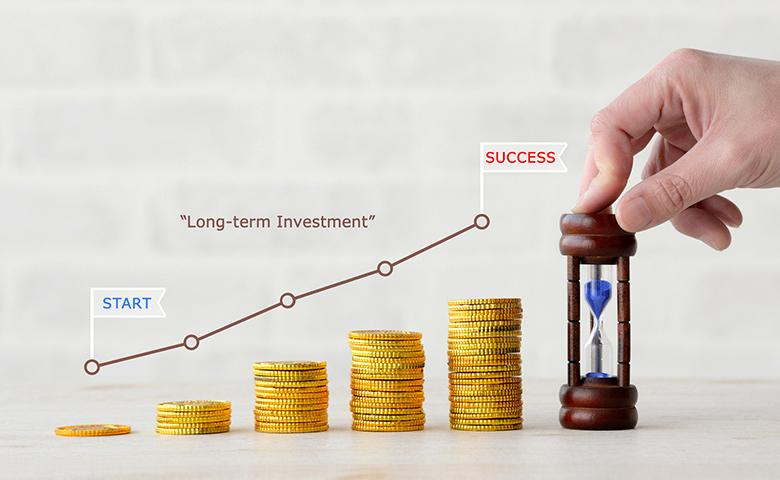
10. Think in Decades, Not Days
Financial markets naturally experience periods of volatility.
Rather than reacting to daily headlines, successful long-term investors often remain focused on goals years or even decades into the future.
History has shown that patience, diversification, and disciplined investing have frequently rewarded those willing to maintain long-term perspectives.
Time remains one of the most valuable financial assets available.
Financial Habits That Often Lead to Long-Term Success
Many financially secure households share similar behaviors:
- Spending below their income.
- Maintaining emergency savings.
- Investing consistently.
- Paying down high-interest debt.
- Planning for retirement.
- Reviewing finances regularly.
- Continuing financial education.
- Setting measurable goals.
These habits may appear ordinary, but their cumulative effect over many years can be extraordinary.
Looking Ahead
The future of personal finance will continue evolving as technology, artificial intelligence, digital currencies, and global markets reshape how people save, spend, and invest. New financial tools will provide greater convenience and access to information, but they cannot replace thoughtful decision-making.
The fundamentals remain unchanged.
Create a budget.
Build emergency savings.
Invest patiently.
Protect your assets.
Continue learning.
Review your goals regularly.
Financial success is rarely defined by one perfect investment or one fortunate opportunity. It is built through consistent choices that strengthen your financial position over time.
Every dollar you save, every debt you reduce, and every investment you make with a long-term perspective contributes to greater financial stability. By focusing on steady progress rather than short-term excitement, you can build lasting wealth and prepare confidently for whatever the future may bring.