For 25 July 2026, the biggest verified finance story is the growing concern that rising oil prices, new tariffs, and AI spending could push the global economy toward stagflation, while investors prepare for a critical week of central bank meetings and major tech earnings.
🚨 Stagflation Fears Shake Global Markets as Oil Hits $100 and Investors Brace for Fed Decision
Category: Finance News
Tags
Finance News, Global Markets, Oil Prices, Brent Crude, Federal Reserve, Interest Rates, Inflation, Stagflation, AI Stocks, Technology, Wall Street, Stock Market, Global Economy, Trade Tariffs, Business News, Investing, Bond Yields, Energy Markets, Economic Outlook, July 2026
Title: Global Markets on Alert: Oil Hits $100, AI Spending Soars, and a New Economic Threat Emerges
Description: Read the latest finance news for July 25, 2026, covering oil prices, stagflation fears, AI spending, Federal Reserve expectations, global stock markets, and investor outlook.


Image Alt Text
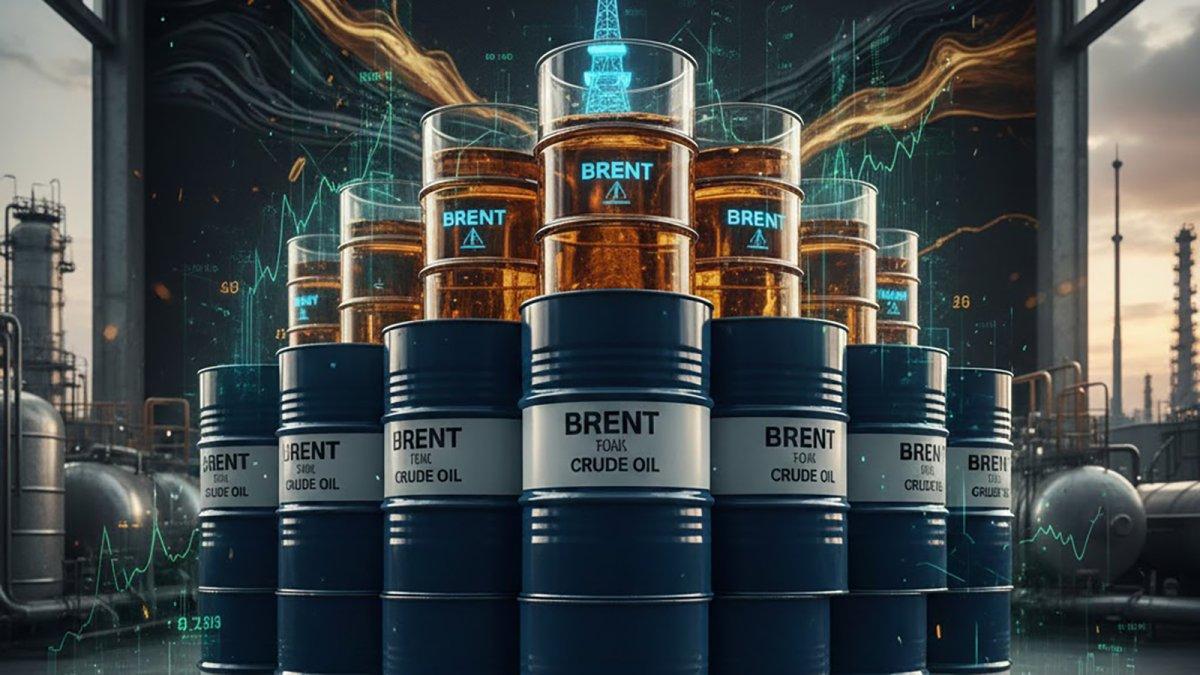
- Brent crude oil refinery as global energy prices climb.
- Traders reacting to market volatility on the New York Stock Exchange.
- The U.S. Federal Reserve headquarters before a key policy meeting.
- AI servers powering next-generation cloud computing.
- Cargo ships highlighting international trade and tariffs.
- Global financial chart tracking worldwide market performance.
- Investor analyzing stock market data and economic indicators.
Global Markets Face a New Challenge
Global financial markets ended the week under pressure as investors weighed a combination of surging energy prices, expanding trade tensions, and uncertainty surrounding upcoming central bank decisions. Brent crude briefly reached $100 per barrel, renewing concerns that inflation could accelerate again just as many economies were beginning to stabilize. (Reuters)
Economists are increasingly discussing the possibility of stagflation—a period in which economic growth slows while inflation remains elevated. This combination is particularly challenging because central banks must balance supporting growth with controlling prices. (Reuters)
Oil Becomes the Biggest Market Driver
The sharp rise in oil prices follows heightened geopolitical tensions and disruptions to shipping routes in the Middle East. Higher crude prices increase costs for transportation, manufacturing, aviation, and logistics, potentially feeding through to consumer prices worldwide. (Reuters)
Energy analysts warn that sustained oil prices near $100 could make inflation more persistent, influencing the policy decisions of the U.S. Federal Reserve and other central banks. (The Wall Street Journal)
Investors Await the Federal Reserve
Attention is now turning to the upcoming Federal Reserve meeting. Markets broadly expect policymakers to leave interest rates unchanged, but investors will closely examine any guidance on future rate moves. Rising energy prices and inflation risks have increased speculation that additional tightening could still be possible later in the year. (The Wall Street Journal)
Bond yields have risen as investors reassess inflation expectations, while the U.S. dollar has remained relatively firm amid demand for safe-haven assets. (Reuters)
AI Spending Faces Greater Scrutiny
Artificial intelligence remains one of the strongest long-term investment themes, but investors are becoming more selective. Several major technology companies have significantly increased capital spending on AI infrastructure, prompting questions about whether those investments will generate sufficient future returns. (Reuters)
This week’s earnings from major technology companies are expected to provide important clues about revenue growth, cloud demand, and AI profitability. (Investors.com)
New Tariffs Add Pressure
Trade policy is also back in focus after the announcement of new U.S. tariffs affecting multiple trading partners. Businesses are evaluating how higher import costs could affect supply chains, pricing, and profit margins. Economists note that broader tariffs may add to inflation if companies pass higher costs on to consumers. (The Guardian)
What Investors Should Watch
During the coming week, markets will focus on:
- Federal Reserve policy decisions
- Major technology earnings
- Oil price movements
- Inflation expectations
- Global trade developments
- Bond market performance
- Economic growth indicators
Each of these factors could influence stocks, bonds, currencies, and commodities as investors reassess the outlook for the second half of 2026. (The Wall Street Journal)
Outlook
Although markets remain volatile, analysts emphasize that long-term investment decisions should be based on diversified portfolios and company fundamentals rather than short-term headlines. The coming week is expected to provide important signals about inflation, corporate profitability, and the direction of monetary policy, making it one of the most closely watched periods of the year for global investors. (Investors.com)