Gold Holds Above $4,000 as Middle East Tensions and Fed Rate Fears Keep Investors on Edge
Published: July 20, 2026
Category: Finance → Commodities → Gold → Investing


6
Gold Holds Above $4,000 as Middle East Tensions and Fed Rate Fears Keep Investors on Edge
Gold prices remained relatively stable on Monday, July 20, as investors weighed escalating geopolitical tensions in the Middle East against growing expectations that the U.S. Federal Reserve may keep interest rates higher for longer.
Spot gold traded around $4,019 per ounce, while U.S. gold futures edged slightly higher to approximately $4,023 per ounce during early trading. Although ongoing conflict has increased demand for safe-haven assets, stronger expectations for future interest-rate hikes have limited gold’s upside.
The precious metal has now entered one of its most important trading periods of the year. Investors are closely watching developments in the Middle East, oil prices, inflation data, and comments from Federal Reserve officials to determine gold’s next major move.
Why Gold Is Trading Sideways
Normally, geopolitical uncertainty encourages investors to buy gold because it is widely viewed as a safe-haven asset.
However, the current situation is more complicated.
Rising tensions involving the United States and Iran have pushed oil prices higher, increasing concerns that energy costs could reignite inflation. Higher inflation, in turn, strengthens expectations that the Federal Reserve could maintain restrictive monetary policy for longer, reducing the attractiveness of non-interest-bearing assets such as gold.
This conflict between safe-haven demand and higher-rate expectations has kept gold prices largely range-bound.
Oil Prices Are Playing a Major Role
Energy markets have become one of the biggest drivers of gold prices.
Brent crude oil briefly traded above $90 per barrel after renewed concerns about shipping through the Strait of Hormuz and escalating military activity in the Middle East. Although oil later eased from its highs, elevated energy prices continue to raise inflation concerns.
Higher oil prices affect gold in several ways:
- They increase inflation expectations.
- They influence Federal Reserve policy.
- They strengthen demand for U.S. Treasury securities.
- They create additional volatility across global financial markets.
As a result, gold investors are paying close attention to energy markets rather than focusing only on traditional precious-metal fundamentals.
Federal Reserve Expectations Remain Critical
Another major factor influencing gold is monetary policy.
Recent comments from Federal Reserve officials suggest policymakers remain concerned that inflation could accelerate again if energy prices continue rising.
Financial markets are now pricing a high probability that the Fed could implement another interest-rate increase later this year if inflation remains persistent.
Higher interest rates generally pressure gold because:
- Gold pays no interest or dividends.
- Government bonds become more attractive.
- The U.S. dollar often strengthens.
- Investors seek higher-yielding assets.
This relationship has become one of the strongest drivers of short-term gold prices.
Gold Still Holds Above an Important Psychological Level
Despite recent weakness, gold continues trading above the important $4,000-per-ounce level.
Market analysts describe this area as a significant psychological support level because buyers have repeatedly entered the market whenever prices approach it.
Technical traders believe holding above this level could help stabilize prices in the near term.
If gold falls decisively below $4,000, analysts suggest the next important support could be near $3,850. On the upside, resistance is seen around $4,200.
Central Banks Continue Supporting Long-Term Demand
Although short-term trading remains volatile, one important source of support continues to come from central banks.
Many countries have steadily increased their gold reserves over recent years as part of broader efforts to diversify away from reliance on foreign currencies and strengthen national financial resilience.
Central-bank purchases have become one of the strongest structural drivers of long-term gold demand.
Analysts believe this trend is likely to continue if geopolitical uncertainty remains elevated.
Investors Are Taking a Defensive Approach
Many portfolio managers have adopted a cautious stance.
Instead of making aggressive bets, investors are diversifying across multiple asset classes including:
- Physical gold
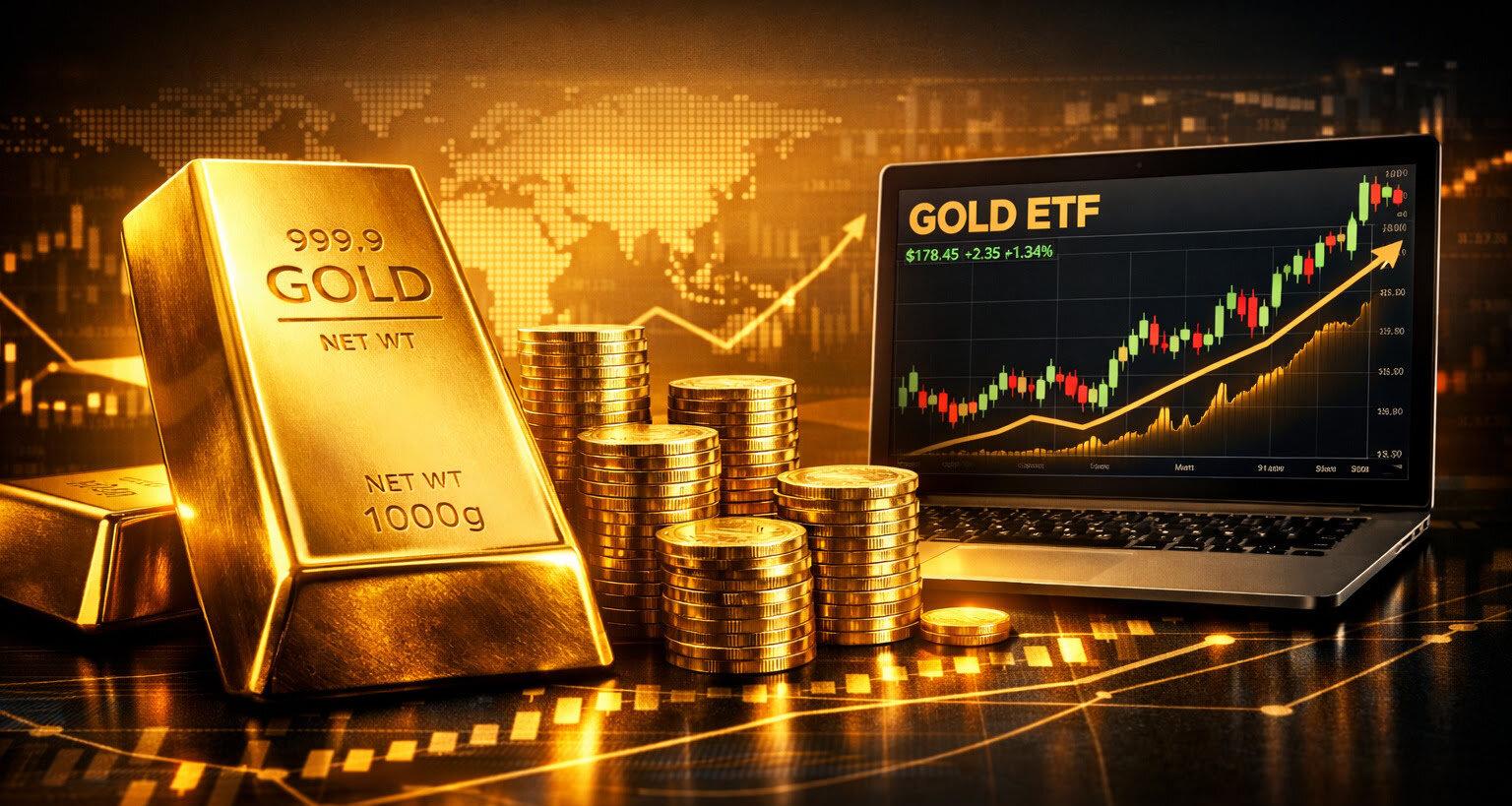
- Gold ETFs
- Government bonds
- Cash
- Dividend-paying stocks
This balanced approach reflects uncertainty about how inflation, interest rates, and geopolitical risks will evolve during the second half of the year.
Physical Gold Demand Remains Healthy
Demand for physical gold remains resilient despite recent market volatility.
Jewelry retailers in several major markets reported relatively stable prices for 24K and 22K gold, suggesting consumer demand has remained steady even as international bullion prices fluctuate.
Physical investment products such as gold bars and coins also continue attracting buyers seeking protection against long-term economic uncertainty.
Gold Mining Companies Face Higher Costs
Mining companies continue benefiting from historically elevated gold prices.
However, producers also face rising operating costs caused by:
- Higher diesel prices
- More expensive transportation
- Labor shortages
- Increased equipment costs
While current gold prices remain profitable for many miners, sustained cost inflation could reduce future profit margins.
What Investors Should Watch This Week
Several upcoming events could determine gold’s next direction:
Inflation Data
Fresh inflation reports will influence expectations for future Federal Reserve policy.
Federal Reserve Speeches
Comments from policymakers could shift market expectations for interest rates.
Oil Prices
Continued volatility in energy markets could directly affect gold prices.
U.S. Dollar
A stronger dollar usually places downward pressure on gold.
Middle East Developments
Any escalation or easing of regional tensions could quickly change investor sentiment.
Expert Outlook
Commodity analysts believe gold remains caught between two competing forces.
On one side, geopolitical risks continue supporting demand for safe-haven assets.
On the other, expectations of higher interest rates and stronger bond yields are limiting additional buying.
Some analysts still expect gold to move above $5,000 per ounce later this year if the U.S. dollar weakens and inflation moderates, but they caution that the path is likely to remain volatile.
Conclusion
Gold entered the new trading week holding just above the crucial $4,000 level as investors balanced geopolitical uncertainty with expectations for higher U.S. interest rates.
Although short-term volatility is likely to continue, gold remains one of the world’s most important defensive assets during periods of economic uncertainty. Central-bank buying, resilient physical demand, and ongoing geopolitical risks continue supporting the long-term investment case.
For investors, the coming weeks will likely be driven by inflation data, Federal Reserve policy decisions, oil prices, and developments in the Middle East. Until those uncertainties become clearer, gold may continue trading within a relatively narrow range.
Alt Text for Images
- Gold bullion bars stacked securely inside a bank vault.
- Live gold price chart displayed on a professional trading terminal.
- Investor holding physical gold coins while reviewing market prices.
- Central bank gold reserves stored in a high-security vault.
- Luxury gold jewelry displayed inside a premium jewelry showroom.
- Financial analyst examining gold price charts and commodity market data.
- Modern financial district skyline representing global gold investment markets.
Gold ETFs See Fresh Investor Demand as Market Awaits Federal Reserve Decision


7
Gold ETFs See Fresh Investor Demand as Market Awaits Federal Reserve Decision
Published: July 20, 2026
Category: Finance | Commodities | Gold | Investing
Gold prices traded in a relatively narrow range on Monday as investors increased their focus on gold-backed exchange-traded funds (ETFs) ahead of key economic events expected later this month. While physical gold prices remained stable, investment demand through ETFs showed signs of improving after several weeks of mixed trading.
Analysts say the renewed interest reflects growing caution among investors who are seeking protection against market uncertainty without purchasing physical bullion. At the same time, traders remain cautious as they wait for fresh signals from the U.S. Federal Reserve regarding future interest-rate policy. Recent market commentary indicates investors are balancing safe-haven demand against expectations that borrowing costs could stay elevated.
Gold ETFs Regain Attention
Gold exchange-traded funds have become one of the most popular ways to invest in precious metals.
Unlike buying physical gold bars or coins, ETFs allow investors to gain exposure to gold prices through stock exchanges. They offer:
- Easy buying and selling
- Lower storage costs
- High liquidity
- Portfolio diversification
As financial markets remain volatile, more investors are using ETFs to reduce portfolio risk while maintaining exposure to gold.
Why Investors Are Returning to Gold
Several developments have increased demand for gold investments.
1. Global Economic Uncertainty
Investors remain concerned about slowing economic growth in several major economies.
Although stock markets have performed relatively well this year, many analysts believe economic risks remain elevated due to high government debt, geopolitical conflicts, and uneven global growth.
2. Interest Rate Expectations
The Federal Reserve continues to play a major role in determining gold prices.
If policymakers signal that interest rates could remain high for longer, gold may face short-term pressure because investors can earn higher returns from interest-bearing assets.
However, if markets begin expecting future rate cuts, gold could benefit from increased investment demand.
3. Inflation Concerns
Inflation has eased compared with previous years but remains above long-term targets in several economies.
Gold has historically been viewed as a hedge against inflation because it tends to preserve purchasing power over long periods.
Although inflation is no longer accelerating rapidly, many investors continue holding gold as insurance against unexpected price increases.
Physical Gold Demand Remains Stable
Jewelry demand continues supporting the gold market.
Countries such as India, China, and those in the Middle East remain among the world’s largest consumers of physical gold.
Seasonal festivals, weddings, and cultural traditions often increase demand for:
- Gold jewelry
- Investment bars
- Gold coins
This steady physical demand helps support prices even when financial markets experience volatility.
Central Banks Continue Buying Gold
Central banks remain one of the strongest long-term buyers of gold.
Many countries have increased gold reserves to diversify away from heavy reliance on foreign currencies and strengthen national financial stability.
According to market analysts, official-sector purchases continue to provide an important foundation for long-term gold demand.
Gold Mining Industry Benefits
Mining companies continue benefiting from historically elevated bullion prices.
Many producers are expanding operations, investing in exploration, and improving production efficiency.
However, they also face higher costs caused by:
- Rising energy prices
- Equipment expenses
- Labor shortages
- Environmental compliance
Companies with efficient operations remain better positioned to maintain profitability.
Gold Versus Other Investments
Many investors compare gold with other popular assets.
| Asset | Key Advantage | Main Risk |
|---|---|---|
| Gold | Safe-haven asset | No dividend or interest |
| Stocks | Long-term growth | Market volatility |
| Bonds | Regular income | Interest-rate risk |
| Real Estate | Rental income | High capital requirement |
| Bitcoin | High growth potential | Extreme volatility |
Financial advisers often recommend diversification rather than relying on a single asset class.
Risks Facing Gold
Although gold remains attractive, investors should monitor:
- Federal Reserve announcements
- Inflation reports
- U.S. dollar movements
- Bond yields
- Geopolitical tensions
- ETF investment flows
Changes in any of these factors can significantly influence gold prices over the short term.
Outlook for the Second Half of 2026
Many commodity analysts remain cautiously optimistic.
If inflation continues easing and central banks begin discussing future interest-rate reductions, investment demand for gold could strengthen.
Conversely, stronger economic growth and higher bond yields could limit further price gains.
Overall, analysts expect gold to remain an important defensive asset as investors navigate an uncertain global economic environment.
Conclusion
Gold continues to play a vital role in diversified investment portfolios. Renewed interest in gold ETFs demonstrates that investors remain focused on protecting wealth amid economic uncertainty and evolving monetary policy.
While short-term price movements will likely depend on Federal Reserve decisions and economic data, long-term demand remains supported by central-bank purchases, steady physical consumption, and gold’s reputation as a reliable store of value.