

Retire Richer, Not Harder: 7 Smart Money Moves Financial Experts Say More People Should Make Today
Category: Personal Finance
Tags: Personal Finance, Money Tips, Financial Planning, Budgeting, Investing, Emergency Fund, Retirement, Saving Money, Wealth Building, Financial Freedom, Smart Investing, Financial Education
Retire Richer, Not Harder: 7 Smart Money Moves Financial Experts Say More People Should Make Today
Managing money has never been more important. Rising living costs, economic uncertainty, and changing job markets have encouraged millions of people to rethink how they save, spend, and invest. While there is no magic formula for becoming wealthy overnight, financial experts agree that consistent habits often matter more than chasing the next big opportunity.
Whether you’re just starting your financial journey or looking to strengthen your long-term plans, these seven practical money moves can help build a stronger financial future. They are simple, realistic, and designed for people at every income level.
1. Build an Emergency Fund Before Anything Else
One unexpected expense can quickly derail even the best financial plan. Medical bills, vehicle repairs, home maintenance, or sudden job loss can create financial stress if you aren’t prepared.
Financial planners generally recommend building an emergency fund that covers between three and six months of essential living expenses.
If that sounds overwhelming, start smaller. Even saving the equivalent of one month’s expenses can provide valuable protection while you continue growing your savings.
A separate high-yield savings account can make it easier to avoid spending this money on everyday purchases while still keeping it accessible during emergencies.
2. Create a Budget That Actually Works
Many people avoid budgeting because they believe it limits their freedom. In reality, a good budget gives you more control over your money.
Rather than tracking every penny forever, focus on understanding where your income goes each month.
A popular approach is the 50/30/20 rule:
- 50% for necessities
- 30% for personal spending
- 20% for savings and investments
The exact percentages may vary depending on your circumstances, but creating spending categories helps identify unnecessary expenses that quietly drain your finances.
Modern budgeting apps and online banking tools can also automate much of the process.
3. Pay Off High-Interest Debt Quickly
Credit card balances can become expensive if left unpaid for long periods.
Interest charges often grow faster than investment returns, making debt repayment one of the smartest financial investments available.
Many experts recommend one of two strategies:
- Debt Snowball: Pay off the smallest balances first to build motivation.
- Debt Avalanche: Pay off the highest interest rates first to reduce total interest costs.
Either strategy can work—the key is staying consistent.
Avoid accumulating additional debt while paying down existing balances whenever possible.
4. Invest Early and Stay Consistent
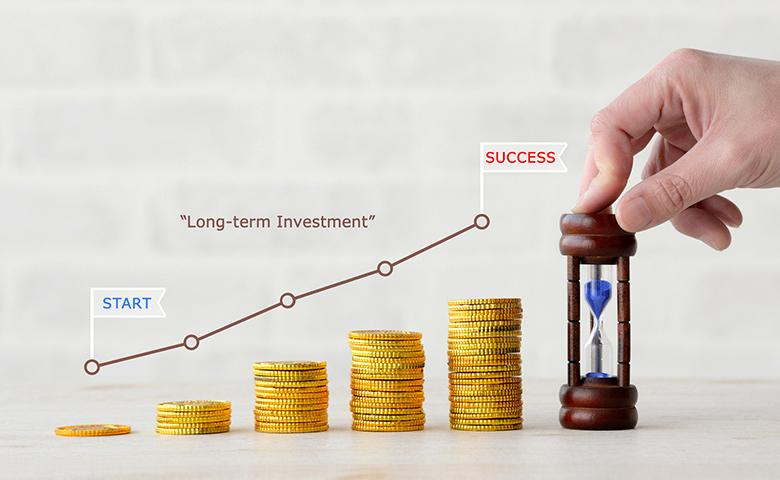
One of the biggest advantages investors have is time.
Thanks to compound growth, even modest monthly investments can grow significantly over several decades.
Instead of trying to predict market highs and lows, many experienced investors contribute a fixed amount regularly through a strategy known as dollar-cost averaging.
Diversified investments, such as broad-market index funds, have historically provided long-term growth while reducing the risks associated with investing in individual companies.
The earlier someone starts investing, the more time compound returns have to work.
5. Increase Retirement Contributions Whenever Income Grows
Receiving a raise is exciting—but it can also become an opportunity to strengthen future financial security.
Instead of increasing spending with every salary increase, consider directing part of that additional income toward retirement savings.
Even increasing retirement contributions by just 1% each year can make a substantial difference over several decades.
Many employers also offer retirement matching contributions, which essentially provide additional money toward retirement savings.
Taking full advantage of these benefits can significantly improve long-term financial outcomes.
6. Continue Learning About Personal Finance
Financial education doesn’t end after opening a bank account or starting an investment portfolio.
Markets change.
Tax rules evolve.
New financial products appear every year.
Reading books, following trustworthy financial educators, listening to reputable podcasts, and staying informed about economic trends can help people make more confident financial decisions.
Understanding topics like inflation, diversification, insurance, taxes, and retirement planning provides valuable knowledge that compounds over time.
Knowledge is one of the few investments that continually pays dividends.
7. Focus on Long-Term Goals Instead of Short-Term Trends
Social media frequently showcases stories of overnight wealth through speculative investments or trending financial opportunities.
While these stories attract attention, they rarely represent sustainable wealth-building strategies.
Long-term financial success usually comes from:
- Consistent saving
- Regular investing
- Controlled spending
- Managing debt wisely
- Maintaining realistic expectations
Patience often outperforms impulsive financial decisions.
Successful investors frequently hold diversified portfolios for years rather than constantly buying and selling based on headlines.
Common Financial Mistakes to Avoid
Even people with good incomes sometimes struggle financially because of avoidable habits.
Some of the most common mistakes include:
- Living beyond your means
- Ignoring emergency savings
- Carrying high-interest credit card debt
- Delaying retirement investing
- Making emotional investment decisions
- Failing to review insurance coverage
- Not having a basic financial plan
Recognizing these mistakes early can prevent larger financial problems later.
Why Small Habits Matter More Than Big Wins
Many people assume wealth comes from earning a very high salary.
While income certainly helps, research consistently shows that spending habits, saving consistency, and disciplined investing often play an even greater role.
For example, someone who consistently saves 15–20% of their income for decades may build substantial wealth regardless of whether they earn an average or above-average salary.
Financial independence is often the result of thousands of smart decisions rather than one lucky investment.
Looking Ahead
The financial world will continue changing with new technologies, digital banking, artificial intelligence, and evolving investment opportunities. Yet the core principles of personal finance remain remarkably consistent.
Build an emergency fund.
Spend less than you earn.
Pay down expensive debt.
Invest consistently.
Plan for retirement.
Continue learning.
These habits may not generate overnight riches, but they provide something far more valuable—long-term financial security and peace of mind.
No matter your age or current financial situation, the best time to improve your financial future is today. Every smart financial decision, no matter how small, moves you one step closer to greater stability and lasting wealth.