Tag: Smart Investing

  • Money Shift 2026: How the Global Economy Is Changing the Way We Build Wealth

    Money Shift 2026: How the Global Economy Is Changing the Way We Build Wealth

    https://images.openai.com/static-rsc-4/QeCn3tKwWHB8vVFEyvRcF5SznNIkWPQNB0mLMfRS-d0PI2EZyfaw59w3HbAsjBkeL-dGdPIfalk9CGwB9YqoxLBOzjzGOQd9glUwqxyp-NWWhNT3ovbdnDL9xLqXveAcuY8bNUW2dHHwWSh3eusbBgHOUyyV0UOQoif9Ky0vORWp0f8CFu-XWNSGpfgsAtON?purpose=fullsize
    https://images.openai.com/static-rsc-4/AJClcMMHfbEUWC_eSUMKpySK0IYZ7F0Bb5b9qvn373yZQoQqNl_ywqNXD5-wzd2AOfdG7bsm6i2aHnWzqQ1DWeIsSPUIuz3uSZwHZ_GCQR67gMCfa7qkqtbCIdvpstVQa6gqhzdn6vUqFWUAbLRcxuns12Ic-eps2PvBpiq4-SQZa7t5I3PcQEkbZZZ2OYEM?purpose=fullsize
    https://images.openai.com/static-rsc-4/KoU_ue1uw1Dawx646d6GZ4FJOU1ofcLRnNHhcVXiDHAlGSDi2Ayxgdg6MRNTOVN3FlmNjvgjzA9G6T33ZYsccxkZsvgAkmn3OXNRWNeyA4jgRlR07Y2bhZD7R5_Enmjh1R1iAyE2Ae_uR3qZ_CF9UZxhGLxTBjeU3Kb2X_fUrrAtOVUR-L6F_15NpvqcRkI4?purpose=fullsize

    7

    Money Shift 2026: How Global Economic Changes Are Reshaping Personal Finance and Wealth Building


    Money Shift 2026: How Global Economic Changes Are Reshaping Personal Finance and Wealth Building

    The global financial system is undergoing one of its most significant transitions in decades. Inflation cycles, shifting interest rates, rapid technological growth, and changes in consumer behavior are reshaping how individuals and families manage money.

    While financial markets continue to fluctuate, one key trend is becoming increasingly clear: personal financial discipline and long-term planning matter more than ever. In an environment where economic conditions can change quickly, individuals who develop strong money habits are better positioned to maintain stability and build wealth over time.

    This article explores the major financial changes shaping 2026 and the practical steps people can take to adapt.


    Rising Cost of Living Continues to Shape Financial Behavior

    Across many regions, the cost of living has increased over the past several years. Housing, food, transportation, healthcare, and insurance expenses have all placed pressure on household budgets.

    As a result, more people are:

    • Tracking monthly expenses more closely
    • Reducing unnecessary spending
    • Prioritizing essential purchases
    • Looking for additional income sources

    Even small adjustments in spending habits can have a meaningful long-term impact when applied consistently.

    Financial experts emphasize that budgeting is no longer optional—it is a core financial survival tool in today’s economy.


    Why Emergency Savings Are Now Essential

    Economic uncertainty has made emergency funds more important than ever.

    Unexpected events such as job loss, medical emergencies, or sudden price increases can quickly disrupt financial stability.

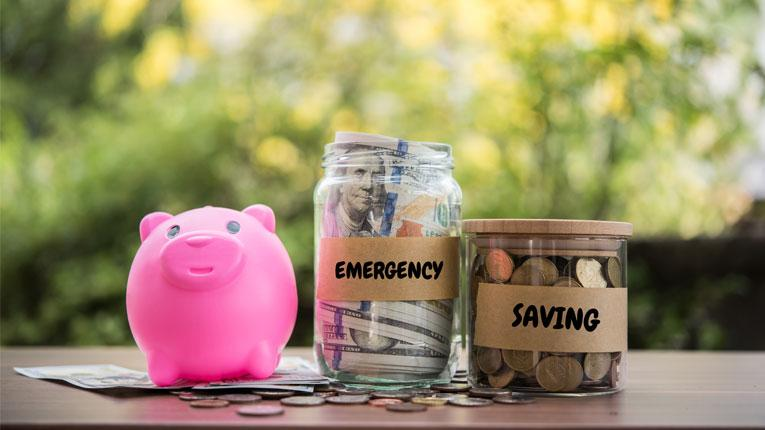
    A strong emergency fund typically covers several months of essential expenses and helps individuals avoid relying on high-interest debt during difficult times.

    Common strategies for building emergency savings include:

    • Automatic monthly transfers
    • Cutting small non-essential expenses
    • Using bonuses or extra income
    • Setting short-term savings goals

    Even modest savings can provide critical financial protection.


    Interest Rates Continue to Influence Borrowing and Spending

    Interest rates play a major role in personal finance. When rates rise, borrowing becomes more expensive, affecting:

    • Mortgages
    • Credit cards
    • Personal loans
    • Business financing

    Higher borrowing costs encourage many households to reduce debt and focus more on saving rather than spending.

    At the same time, higher interest rates can benefit savers by offering better returns on savings accounts and fixed-income investments.

    Understanding interest rate trends helps individuals make better financial decisions about borrowing and investing.


    Stock Market Volatility Encourages Long-Term Thinking

    Global stock markets have experienced periods of strong growth followed by sudden corrections.

    This volatility often causes emotional reactions among investors. However, financial history shows that long-term investing tends to reward patience more than timing the market.

    Key long-term investment principles include:

    • Diversification across sectors and regions
    • Regular contributions over time
    • Avoiding emotional decision-making
    • Staying invested during market fluctuations

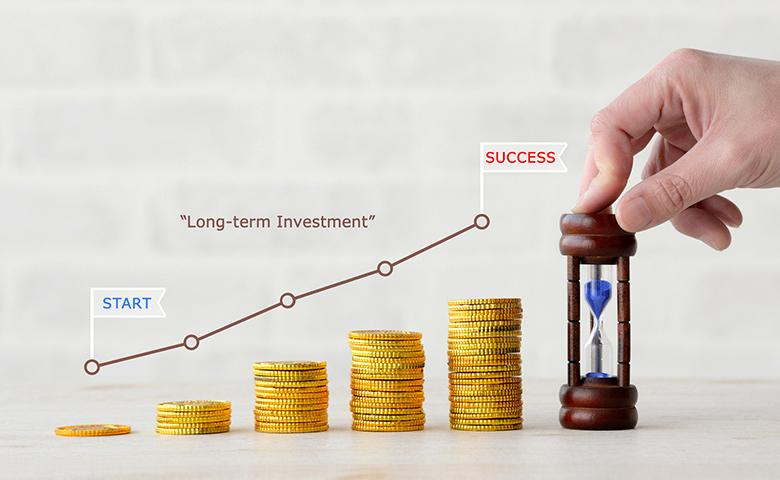
    Investors who remain consistent often benefit from compound growth over many years.


    Technology Is Changing How People Manage Money

    Digital transformation is one of the biggest forces shaping modern finance.

    Today, individuals can:

    • Track spending through mobile apps
    • Automate savings transfers
    • Invest using online platforms
    • Receive real-time fraud alerts
    • Access financial education online

    Artificial intelligence and automation are also helping banks and fintech companies provide personalized financial insights.

    While technology improves convenience, it does not replace the need for responsible financial decision-making.


    The Rise of Multiple Income Streams

    Many households are no longer relying on a single source of income.

    Instead, they are exploring additional ways to earn money such as:

    • Freelancing
    • Online businesses
    • Part-time consulting
    • Rental income
    • Investment dividends
    • Digital content creation

    Multiple income streams can improve financial resilience and reduce dependence on a single employer or industry.


    Retirement Planning Is Becoming a Priority Earlier in Life

    Younger generations are increasingly aware of the importance of early retirement planning.

    Starting early allows investments to benefit from compound growth over a longer period.

    Even small monthly contributions can grow significantly over decades.

    Financial advisors often recommend:

    • Starting retirement savings as early as possible
    • Increasing contributions over time
    • Maintaining diversified investment portfolios
    • Reviewing retirement plans regularly

    Long-term consistency is more important than the size of initial contributions.


    Debt Management Remains a Key Financial Challenge

    Debt continues to be one of the biggest obstacles to financial stability.

    High-interest debt, especially from credit cards, can quickly reduce available income and limit saving potential.

    Common debt management strategies include:

    • Paying more than minimum payments
    • Prioritizing high-interest debt first
    • Avoiding unnecessary borrowing
    • Consolidating debt where appropriate

    Reducing debt improves financial flexibility and reduces stress.


    Financial Literacy Is Becoming a Critical Skill

    Understanding money management is now considered an essential life skill.

    Financial literacy includes knowledge of:

    • Budgeting
    • Saving
    • Investing
    • Credit management
    • Inflation and interest rates
    • Risk management

    People with stronger financial literacy are often better equipped to make informed decisions and avoid costly mistakes.


    Building a Strong Financial Foundation

    Regardless of income level, a strong financial foundation typically includes:

    • A realistic monthly budget
    • Emergency savings
    • Controlled debt levels
    • Long-term investment planning
    • Insurance protection
    • Regular financial reviews

    These fundamentals remain effective in almost any economic environment.


    Looking Ahead: What the Future of Finance May Bring

    The future of personal finance will likely be shaped by continued technological innovation, global economic shifts, and changing workforce patterns.

    Artificial intelligence, digital currencies, and automated investing systems are expected to play larger roles in financial decision-making.

    However, despite these advancements, the core principles of wealth building remain unchanged:

    • Spend less than you earn
    • Save consistently
    • Invest for the long term
    • Manage risk carefully
    • Continue learning about finance

    Financial success is rarely the result of one major decision. Instead, it is built through consistent habits repeated over time.

    Individuals who combine smart financial tools with disciplined money management are likely to be best positioned for long-term stability and growth.

  • Financial Reset 2026: 10 Smart Money Decisions That Could Strengthen Your Wealth in the Years Ahead

    Financial Reset 2026: 10 Smart Money Decisions That Could Strengthen Your Wealth in the Years Ahead

    https://images.openai.com/static-rsc-4/yfBHo7a4sjc6reWfLdXATissrniswUQqrEWkYdtBOyMt2puZfMIBFmSaDv4VYcmuVGv8IFYRQQf7sExer7PhqnfLfoZrg7XlFQSmRYZiFce5IleggAmHx4bbI2bDbj2beU141wa6a5fJdIzqlNCP_SQHZn2aU-wOgreUX81duVeXjy08QiUuffjq-75QbAXi?purpose=fullsize
    https://images.openai.com/static-rsc-4/4F6bpCFcZZw5tKehpqHwzD-95Mi0FDEs-lvaDONtSTHAoWcmRUTI6mNsmPxVSUq3lodZXsZpYMOwXt71zfuS0CuroXFMnTRxV11cvC6r-n8PqPmS69r68AxPZIEzXTsyzDLMP0T5ENBDgRTbgWD8gn2583-hKsrriet9xOJji4yWZP_Dcz-jlU3gGeS9qsTp?purpose=fullsize
    https://images.openai.com/static-rsc-4/RQv7nF8yGYnlMjETzKa4MFHlR3M-M4yIYz7zs2H5y3_i-J-31zuml5tViGosg8YtquN7yZPdvYLd5yT-vhlAftDILUJezyK_2z1FA12DGVXwcHHxlz1xxymsYgfBea-WUHsObQcuicOu2vZUTb0hBUJ2JjyhH723S20qlIZPg2SFSMrmaZ0KX3iAd1rp55q5?purpose=fullsize

    4

    Financial Reset 2026: 10 Smart Money Decisions That Could Strengthen Your Wealth in the Years Ahead

    Category: Personal Finance

    Tags: Personal Finance, Financial Planning, Money Management, Wealth Building, Budgeting, Saving Money, Investing, Retirement Planning, Emergency Fund, Financial Literacy, Inflation, Passive Income, Smart Investing, Economic Trends


    Financial Reset 2026: 10 Smart Money Decisions That Could Strengthen Your Wealth in the Years Ahead

    Economic conditions rarely stay the same for long. Interest rates fluctuate, inflation changes the cost of everyday goods, new technologies reshape banking, and investment markets experience periods of both growth and uncertainty. While these changes can make personal finance seem complicated, the core principles of building wealth remain remarkably consistent.

    Financial security is not about predicting every economic trend or finding the perfect investment. Instead, it comes from making thoughtful decisions repeatedly over time. Households that consistently budget, save, invest, and plan for the future are often better prepared to navigate changing economic conditions than those who rely on short-term opportunities.

    As 2026 continues to bring new financial challenges and opportunities, now may be an ideal time to review your money habits and strengthen your long-term financial plan.


    1. Review Your Entire Financial Picture

    Many people focus only on their monthly income, but true financial health involves much more.

    Take time each year to review:

    • Income
    • Monthly expenses
    • Savings balances
    • Investment accounts
    • Outstanding debt
    • Insurance coverage
    • Retirement savings
    • Financial goals

    Looking at your complete financial picture helps identify strengths and areas that need improvement.


    2. Give Every Dollar a Purpose

    One of the simplest ways to improve financial management is assigning every dollar a specific job.

    Some income pays for housing and utilities.

    Some covers groceries and transportation.

    Some goes toward retirement.

    Some builds emergency savings.

    When every dollar has a purpose, unnecessary spending often becomes easier to identify and reduce.


    3. Build Financial Flexibility

    Financial flexibility means having enough available resources to respond to unexpected opportunities or challenges.

    This includes:

    • Emergency savings
    • Low debt levels
    • Reliable insurance
    • Healthy cash flow
    • Accessible savings

    Financial flexibility reduces stress and allows households to make decisions based on long-term goals instead of short-term financial pressure.


    4. Understand Risk Before Investing

    Every investment involves some degree of risk.

    Higher potential returns often come with greater uncertainty.

    Before investing, consider:

    • Your financial goals
    • Time horizon
    • Risk tolerance
    • Current financial obligations

    Understanding these factors helps create an investment strategy that aligns with your personal circumstances instead of following market trends.


    5. Increase Retirement Savings Gradually

    Retirement planning does not require dramatic changes overnight.

    Increasing retirement contributions by even one or two percent each year can significantly improve long-term savings.

    Automatic contribution increases make this process simple while allowing investments additional time to benefit from compound growth.

    Small adjustments today may create meaningful differences decades later.


    6. Diversify Both Income and Investments

    Many households diversify investments but overlook income diversification.

    Additional income sources might include:

    • Freelance work
    • Consulting
    • Rental properties
    • Dividend investments
    • Online businesses
    • Educational content
    • Digital products

    Diversification can reduce financial dependence on any single source while improving long-term financial resilience.


    7. Keep Learning About Money

    Financial education is never complete.

    Technology continues changing personal finance through digital banking, artificial intelligence, automated investing, and online financial planning tools.

    Staying informed helps households evaluate new opportunities while avoiding unnecessary risks.

    Reading books, following reputable financial publications, and learning from qualified professionals can improve financial confidence throughout life.


    8. Avoid Emotional Spending

    Impulse purchases can quietly reduce long-term wealth.

    Before making significant purchases, ask yourself:

    • Is this necessary?
    • Does it support my financial goals?
    • Can I comfortably afford it?
    • Would waiting 24 hours change my decision?

    Simple pauses before spending often improve financial discipline.


    9. Schedule Regular Financial Reviews

    Successful financial planning is an ongoing process rather than a one-time event.

    Quarterly or annual reviews provide opportunities to:

    • Update financial goals.
    • Adjust budgets.
    • Review investments.
    • Evaluate insurance coverage.
    • Monitor debt reduction.
    • Track savings progress.

    Consistent reviews help maintain long-term financial momentum.


    10. Think in Decades, Not Days

    Financial markets naturally experience periods of volatility.

    Rather than reacting to daily headlines, successful long-term investors often remain focused on goals years or even decades into the future.

    History has shown that patience, diversification, and disciplined investing have frequently rewarded those willing to maintain long-term perspectives.

    Time remains one of the most valuable financial assets available.


    Financial Habits That Often Lead to Long-Term Success

    Many financially secure households share similar behaviors:

    • Spending below their income.
    • Maintaining emergency savings.
    • Investing consistently.
    • Paying down high-interest debt.
    • Planning for retirement.
    • Reviewing finances regularly.
    • Continuing financial education.
    • Setting measurable goals.

    These habits may appear ordinary, but their cumulative effect over many years can be extraordinary.


    Looking Ahead

    The future of personal finance will continue evolving as technology, artificial intelligence, digital currencies, and global markets reshape how people save, spend, and invest. New financial tools will provide greater convenience and access to information, but they cannot replace thoughtful decision-making.

    The fundamentals remain unchanged.

    Create a budget.

    Build emergency savings.

    Invest patiently.

    Protect your assets.

    Continue learning.

    Review your goals regularly.

    Financial success is rarely defined by one perfect investment or one fortunate opportunity. It is built through consistent choices that strengthen your financial position over time.

    Every dollar you save, every debt you reduce, and every investment you make with a long-term perspective contributes to greater financial stability. By focusing on steady progress rather than short-term excitement, you can build lasting wealth and prepare confidently for whatever the future may bring.

  • The New Rules of Money: 10 Financial Strategies That Can Help You Stay Ahead in an Uncertain Economy

    The New Rules of Money: 10 Financial Strategies That Can Help You Stay Ahead in an Uncertain Economy

    Image
    Image
    Image
    Image
    Image
    Image
    Image

    The New Rules of Money: 10 Financial Strategies That Can Help You Stay Ahead in an Uncertain Economy


    The New Rules of Money: 10 Financial Strategies That Can Help You Stay Ahead in an Uncertain Economy

    The way people manage money is changing. Rising living costs, advances in financial technology, shifting job markets, and global economic uncertainty have encouraged households to rethink their financial priorities. While the tools available today are more advanced than ever, the foundation of sound financial management remains surprisingly simple: spend wisely, save consistently, invest thoughtfully, and plan for the future.

    Financial experts emphasize that wealth is rarely built through one extraordinary investment. Instead, long-term financial security usually results from disciplined habits repeated over many years. Whether you are beginning your financial journey or refining an existing plan, understanding these strategies can help you navigate an increasingly complex economy.


    1. Treat Your Financial Plan as a Living Document

    Many people create a budget once and rarely revisit it. However, your financial plan should evolve as your life changes.

    A promotion, marriage, the birth of a child, buying a home, or starting a business can all affect your financial priorities. Reviewing your finances at least once a year allows you to adjust spending, savings, insurance, and investment goals to match your current circumstances.

    A flexible financial plan is often more effective than one that never changes.


    2. Focus on Building Net Worth

    Income tells only part of your financial story.

    Net worth—the difference between what you own and what you owe—provides a broader picture of financial health.

    Increasing savings, reducing debt, investing regularly, and growing valuable assets all contribute to improving net worth over time.

    Tracking this figure annually can provide a clearer understanding of your long-term financial progress.


    3. Use Technology to Your Advantage

    Financial technology has transformed money management.

    Today, mobile banking applications can help users:

    • Monitor spending in real time.
    • Automate bill payments.
    • Schedule recurring transfers to savings.
    • Track investment performance.
    • Receive alerts for unusual account activity.

    These tools make it easier to stay organized and reduce the likelihood of missed payments or overspending.


    4. Maintain an Emergency Fund

    Unexpected financial challenges are inevitable.

    Medical expenses, home repairs, vehicle maintenance, or temporary unemployment can place significant pressure on household finances.

    An emergency fund helps cover these situations without relying heavily on credit cards or loans.

    Many advisors recommend gradually building enough savings to cover three to six months of essential living expenses.


    5. Diversify Your Investments

    Diversification remains one of the most widely accepted principles in investing.

    Rather than concentrating all investments in a single company or sector, diversification spreads risk across multiple asset classes.

    Depending on individual goals and risk tolerance, a diversified portfolio may include stocks, bonds, cash reserves, and other investment vehicles.

    Although diversification cannot eliminate investment risk, it can reduce the impact of market volatility.


    6. Think Beyond Your Salary

    Increasing income can improve financial flexibility, but wealth often grows faster when households develop multiple income sources.

    Examples include:

    • Freelance services
    • Consulting
    • Rental properties
    • Dividend-paying investments
    • Online businesses
    • Educational content
    • Digital products

    Supplemental income can support savings goals, reduce debt, or provide additional retirement funding.


    7. Continue Learning About Personal Finance

    Financial literacy is one of the most valuable lifelong skills.

    Economic conditions change, tax regulations evolve, and investment opportunities continue expanding.

    Reading books, attending seminars, listening to educational podcasts, and following trusted financial news sources can improve confidence and decision-making.

    The more informed you become, the better equipped you are to navigate financial challenges.


    8. Avoid Emotional Investing

    Financial markets naturally rise and fall.

    Reacting emotionally to short-term market movements often leads to poor investment decisions.

    Successful long-term investors typically maintain diversified portfolios and remain focused on their financial goals instead of reacting to daily headlines.

    Discipline frequently proves more valuable than prediction.


    9. Prepare for Retirement Earlier

    Time is one of the most valuable resources in investing.

    Starting retirement contributions early allows compound growth to work over many years.

    Even modest monthly investments can accumulate significantly over several decades.

    Delaying retirement savings often requires much larger contributions later to achieve similar outcomes.


    10. Remember That Consistency Wins

    Perhaps the most important financial lesson is that consistency usually matters more than perfection.

    You do not need to invest large sums immediately.

    You do not need to eliminate every unnecessary expense overnight.

    Instead, focus on making steady progress:

    • Save regularly.
    • Reduce debt gradually.
    • Invest consistently.
    • Review your financial goals each year.
    • Continue improving your financial knowledge.

    Small actions repeated over time often produce remarkable long-term results.


    Common Financial Habits That Support Long-Term Success

    People who consistently build financial stability often share similar habits:

    • Living below their means.
    • Paying bills on time.
    • Maintaining emergency savings.
    • Reviewing investments periodically.
    • Increasing retirement contributions after raises.
    • Avoiding unnecessary high-interest debt.
    • Setting measurable financial goals.
    • Staying informed about personal finance.

    These habits are simple, but their long-term impact can be substantial.


    Looking Ahead

    Artificial intelligence, digital banking, and online investment platforms continue transforming how people manage their finances. These innovations provide greater convenience and access to financial services than ever before.

    Yet the basic principles remain unchanged.

    Spend intentionally.

    Save consistently.

    Invest patiently.

    Protect your assets.

    Continue learning.

    Plan for the future.

    Financial independence is not achieved overnight. It is built through informed decisions, disciplined habits, and a willingness to think beyond short-term challenges.

    Every positive financial choice—whether creating a budget, paying down debt, building an emergency fund, or making a regular investment—moves you one step closer to lasting financial security. In an uncertain economy, those consistent habits may become your greatest financial advantage.

    Alt Text for Images

    1. Young professional reviewing a personal finance dashboard on a laptop.
    2. Family creating an annual household budget around a dining table.
    3. Financial advisor explaining a diversified investment strategy to clients.
    4. Small business owner reviewing a profit and loss statement in an office.
    5. Person using a smartphone banking app to automate monthly savings.
    6. Retired couple enjoying financial independence while walking in a park.
    7. Modern financial district skyline with digital stock market displays representing economic growth.
  • Retire Richer, Not Harder: 7 Smart Money Moves Financial Experts Say More People Should Make Today

    Retire Richer, Not Harder: 7 Smart Money Moves Financial Experts Say More People Should Make Today


    Retire Richer, Not Harder: 7 Smart Money Moves Financial Experts Say More People Should Make Today

    Category: Personal Finance

    Tags: Personal Finance, Money Tips, Financial Planning, Budgeting, Investing, Emergency Fund, Retirement, Saving Money, Wealth Building, Financial Freedom, Smart Investing, Financial Education


    Retire Richer, Not Harder: 7 Smart Money Moves Financial Experts Say More People Should Make Today

    Managing money has never been more important. Rising living costs, economic uncertainty, and changing job markets have encouraged millions of people to rethink how they save, spend, and invest. While there is no magic formula for becoming wealthy overnight, financial experts agree that consistent habits often matter more than chasing the next big opportunity.

    Whether you’re just starting your financial journey or looking to strengthen your long-term plans, these seven practical money moves can help build a stronger financial future. They are simple, realistic, and designed for people at every income level.


    1. Build an Emergency Fund Before Anything Else

    One unexpected expense can quickly derail even the best financial plan. Medical bills, vehicle repairs, home maintenance, or sudden job loss can create financial stress if you aren’t prepared.

    Financial planners generally recommend building an emergency fund that covers between three and six months of essential living expenses.

    If that sounds overwhelming, start smaller. Even saving the equivalent of one month’s expenses can provide valuable protection while you continue growing your savings.

    A separate high-yield savings account can make it easier to avoid spending this money on everyday purchases while still keeping it accessible during emergencies.


    2. Create a Budget That Actually Works

    Many people avoid budgeting because they believe it limits their freedom. In reality, a good budget gives you more control over your money.

    Rather than tracking every penny forever, focus on understanding where your income goes each month.

    A popular approach is the 50/30/20 rule:

    • 50% for necessities
    • 30% for personal spending
    • 20% for savings and investments

    The exact percentages may vary depending on your circumstances, but creating spending categories helps identify unnecessary expenses that quietly drain your finances.

    Modern budgeting apps and online banking tools can also automate much of the process.


    3. Pay Off High-Interest Debt Quickly

    Credit card balances can become expensive if left unpaid for long periods.

    Interest charges often grow faster than investment returns, making debt repayment one of the smartest financial investments available.

    Many experts recommend one of two strategies:

    • Debt Snowball: Pay off the smallest balances first to build motivation.
    • Debt Avalanche: Pay off the highest interest rates first to reduce total interest costs.

    Either strategy can work—the key is staying consistent.

    Avoid accumulating additional debt while paying down existing balances whenever possible.


    4. Invest Early and Stay Consistent

    One of the biggest advantages investors have is time.

    Thanks to compound growth, even modest monthly investments can grow significantly over several decades.

    Instead of trying to predict market highs and lows, many experienced investors contribute a fixed amount regularly through a strategy known as dollar-cost averaging.

    Diversified investments, such as broad-market index funds, have historically provided long-term growth while reducing the risks associated with investing in individual companies.

    The earlier someone starts investing, the more time compound returns have to work.


    5. Increase Retirement Contributions Whenever Income Grows

    Receiving a raise is exciting—but it can also become an opportunity to strengthen future financial security.

    Instead of increasing spending with every salary increase, consider directing part of that additional income toward retirement savings.

    Even increasing retirement contributions by just 1% each year can make a substantial difference over several decades.

    Many employers also offer retirement matching contributions, which essentially provide additional money toward retirement savings.

    Taking full advantage of these benefits can significantly improve long-term financial outcomes.


    6. Continue Learning About Personal Finance

    Financial education doesn’t end after opening a bank account or starting an investment portfolio.

    Markets change.

    Tax rules evolve.

    New financial products appear every year.

    Reading books, following trustworthy financial educators, listening to reputable podcasts, and staying informed about economic trends can help people make more confident financial decisions.

    Understanding topics like inflation, diversification, insurance, taxes, and retirement planning provides valuable knowledge that compounds over time.

    Knowledge is one of the few investments that continually pays dividends.


    7. Focus on Long-Term Goals Instead of Short-Term Trends

    Social media frequently showcases stories of overnight wealth through speculative investments or trending financial opportunities.

    While these stories attract attention, they rarely represent sustainable wealth-building strategies.

    Long-term financial success usually comes from:

    • Consistent saving
    • Regular investing
    • Controlled spending
    • Managing debt wisely
    • Maintaining realistic expectations

    Patience often outperforms impulsive financial decisions.

    Successful investors frequently hold diversified portfolios for years rather than constantly buying and selling based on headlines.


    Common Financial Mistakes to Avoid

    Even people with good incomes sometimes struggle financially because of avoidable habits.

    Some of the most common mistakes include:

    • Living beyond your means
    • Ignoring emergency savings
    • Carrying high-interest credit card debt
    • Delaying retirement investing
    • Making emotional investment decisions
    • Failing to review insurance coverage
    • Not having a basic financial plan

    Recognizing these mistakes early can prevent larger financial problems later.


    Why Small Habits Matter More Than Big Wins

    Many people assume wealth comes from earning a very high salary.

    While income certainly helps, research consistently shows that spending habits, saving consistency, and disciplined investing often play an even greater role.

    For example, someone who consistently saves 15–20% of their income for decades may build substantial wealth regardless of whether they earn an average or above-average salary.

    Financial independence is often the result of thousands of smart decisions rather than one lucky investment.


    Looking Ahead

    The financial world will continue changing with new technologies, digital banking, artificial intelligence, and evolving investment opportunities. Yet the core principles of personal finance remain remarkably consistent.

    Build an emergency fund.

    Spend less than you earn.

    Pay down expensive debt.

    Invest consistently.

    Plan for retirement.

    Continue learning.

    These habits may not generate overnight riches, but they provide something far more valuable—long-term financial security and peace of mind.

    No matter your age or current financial situation, the best time to improve your financial future is today. Every smart financial decision, no matter how small, moves you one step closer to greater stability and lasting wealth.