

4
Finance Update 2026: Cooling Inflation Lifts Markets While Oil Prices and Global Risks Keep Investors on Alert
Category: Finance News
Tags: Finance News, Global Markets, Inflation, Federal Reserve, U.S. Dollar, Investing, Stock Market, Bond Market, Oil Prices, AI, Personal Finance, Economic News, Global Economy, Interest Rates, Wealth Management
Meta Description: Global financial markets gained after fresh inflation data eased concerns over interest rates, while higher oil prices and geopolitical tensions continue to influence investor sentiment.
Finance Update 2026: Cooling Inflation Lifts Markets While Oil Prices and Global Risks Keep Investors on Alert
Global financial markets entered the second half of July with renewed optimism after fresh economic data suggested inflation in the United States is continuing to moderate. The latest figures encouraged investors to believe that the Federal Reserve may leave interest rates unchanged in the near term, easing pressure on stocks, bonds, and the broader financial system.
Despite the encouraging inflation data, uncertainty has not disappeared. Rising oil prices linked to geopolitical tensions, changing expectations for central bank policy, and continued investment in artificial intelligence (AI) remain major forces shaping the financial landscape.
For investors, businesses, and consumers, understanding these developments is essential for making informed financial decisions.
Inflation Shows Signs of Cooling
One of the most closely watched economic indicators is inflation because it directly affects consumer purchasing power and central bank policy.
Recent U.S. inflation reports showed that price pressures eased more than expected. Softer consumer and producer price data reduced expectations that the Federal Reserve would need another immediate interest-rate increase. Treasury yields also moved lower following the reports, supporting financial markets.
Lower inflation is generally viewed positively because it may:
- Reduce borrowing costs over time.
- Support consumer spending.
- Improve business confidence.
- Ease pressure on financial markets.
Although inflation remains above long-term targets, investors welcomed the latest data as a step in the right direction.
The U.S. Dollar Weakens
The softer inflation reports also affected currency markets.
The U.S. dollar hovered near a one-month low against major global currencies as traders reduced expectations of an imminent Federal Reserve rate increase. A weaker dollar can benefit multinational companies by making U.S. exports more competitive, although it may also contribute to higher import costs.
Currency markets continue reacting to:
- Inflation data
- Interest-rate expectations
- Geopolitical developments
- Global economic growth
Exchange-rate movements remain an important consideration for international businesses and investors.
Bond Markets Reflect Changing Expectations
Government bond markets have also adjusted to the changing outlook.
U.S. Treasury yields remained relatively stable after inflation cooled, while European government bond yields rose as investors anticipated additional interest-rate increases from the European Central Bank amid energy-related inflation concerns.
Bond investors are currently balancing two competing forces:
- Cooling inflation in the United States.
- Rising energy prices linked to geopolitical tensions.
These developments continue influencing borrowing costs worldwide.
Oil Prices Add New Uncertainty
Energy markets remain one of the biggest sources of uncertainty.
Oil prices have increased following renewed tensions in the Middle East, raising concerns that transportation, manufacturing, and logistics costs could rise in the coming months. Higher energy prices often influence inflation because fuel affects nearly every part of the economy.
Businesses with significant transportation expenses are monitoring fuel costs carefully while reviewing budgets and pricing strategies.
Consumers may also experience higher gasoline and utility costs if elevated oil prices persist.
AI Continues to Drive Investment
Artificial intelligence remains one of the strongest themes in global financial markets.
Technology companies continue investing billions of dollars in:
- AI software
- Data centers
- Semiconductor manufacturing
- Cloud computing
- Cybersecurity
- Automation
Investors continue viewing AI as a long-term growth opportunity because businesses increasingly rely on intelligent software to improve productivity and reduce operating costs.
Although technology stocks have experienced periods of volatility, AI-related investment remains a major driver of corporate spending.
What Businesses Are Doing
Companies across multiple industries are adapting to today’s economic environment by strengthening financial discipline.
Many organizations are:
- Expanding digital operations.
- Improving supply-chain efficiency.
- Investing in automation.
- Managing operating costs.
- Increasing cybersecurity spending.
- Reviewing capital investment plans.
Executives remain optimistic about long-term growth while preparing for continued economic uncertainty.
What Investors Should Watch
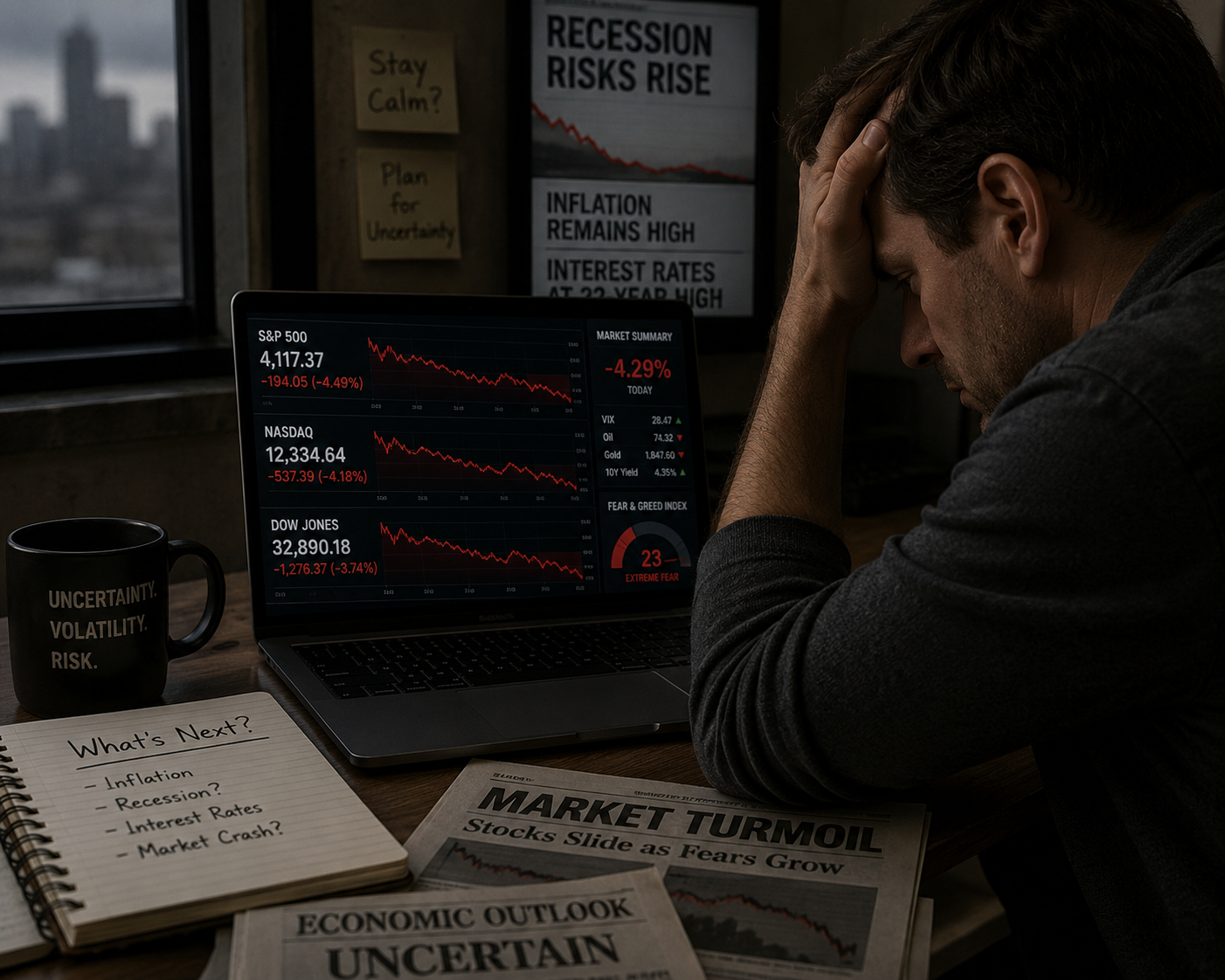
Financial markets may remain volatile during the coming weeks.
Important economic events include:
- Federal Reserve policy announcements
- Employment reports
- Corporate earnings
- Inflation updates
- Oil-price movements
- Consumer spending data
Each of these indicators provides valuable information about the strength of the global economy.
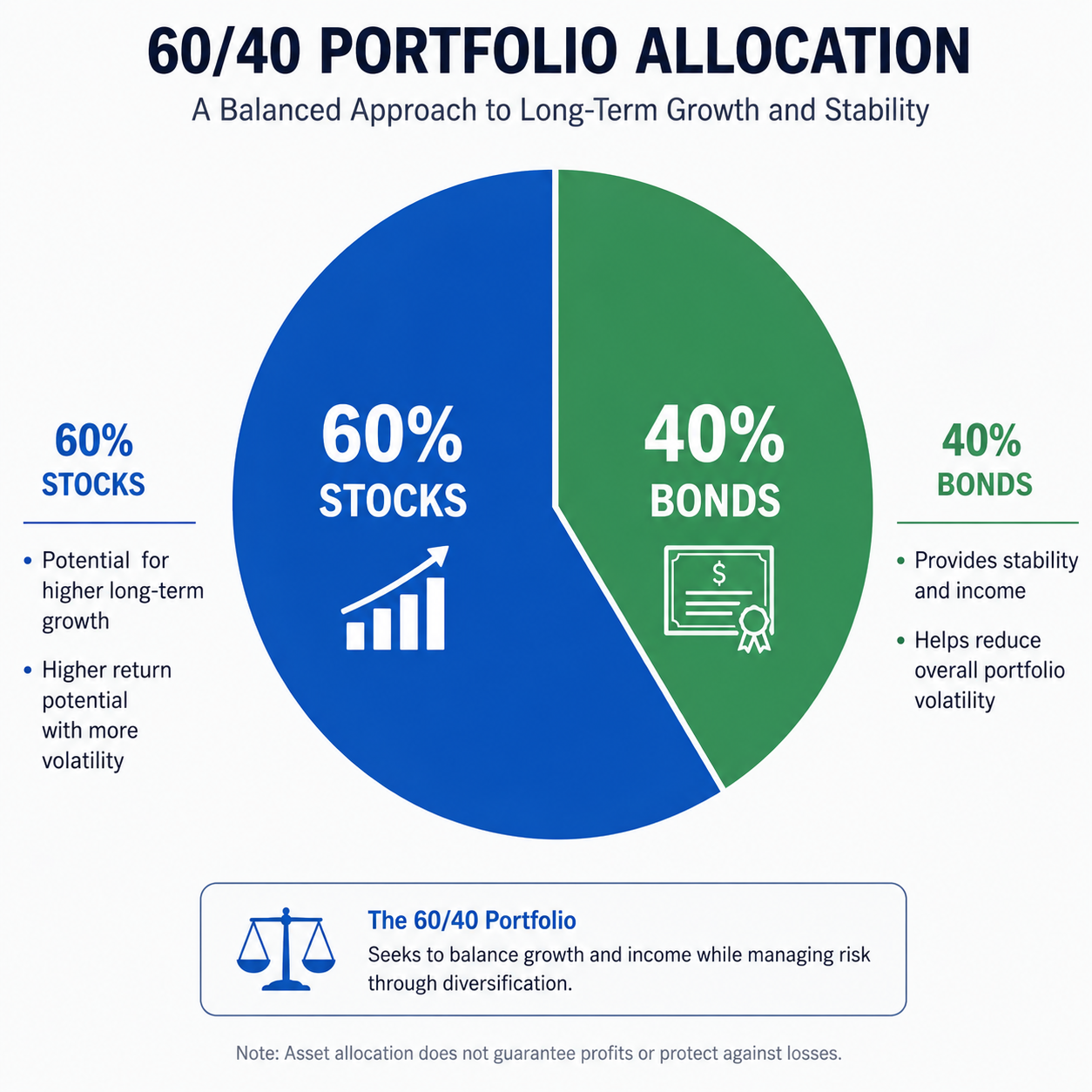
Rather than reacting to every headline, many financial professionals encourage investors to maintain diversified portfolios aligned with their long-term goals.
Practical Financial Strategies
Periods of uncertainty often remind households to focus on financial fundamentals.
Helpful strategies include:
- Maintaining an emergency fund.
- Paying down high-interest debt.
- Reviewing monthly budgets.
- Investing consistently according to personal goals.
- Diversifying investments.
- Continuing financial education.
These habits cannot eliminate market risk, but they can improve long-term financial resilience.
Looking Ahead
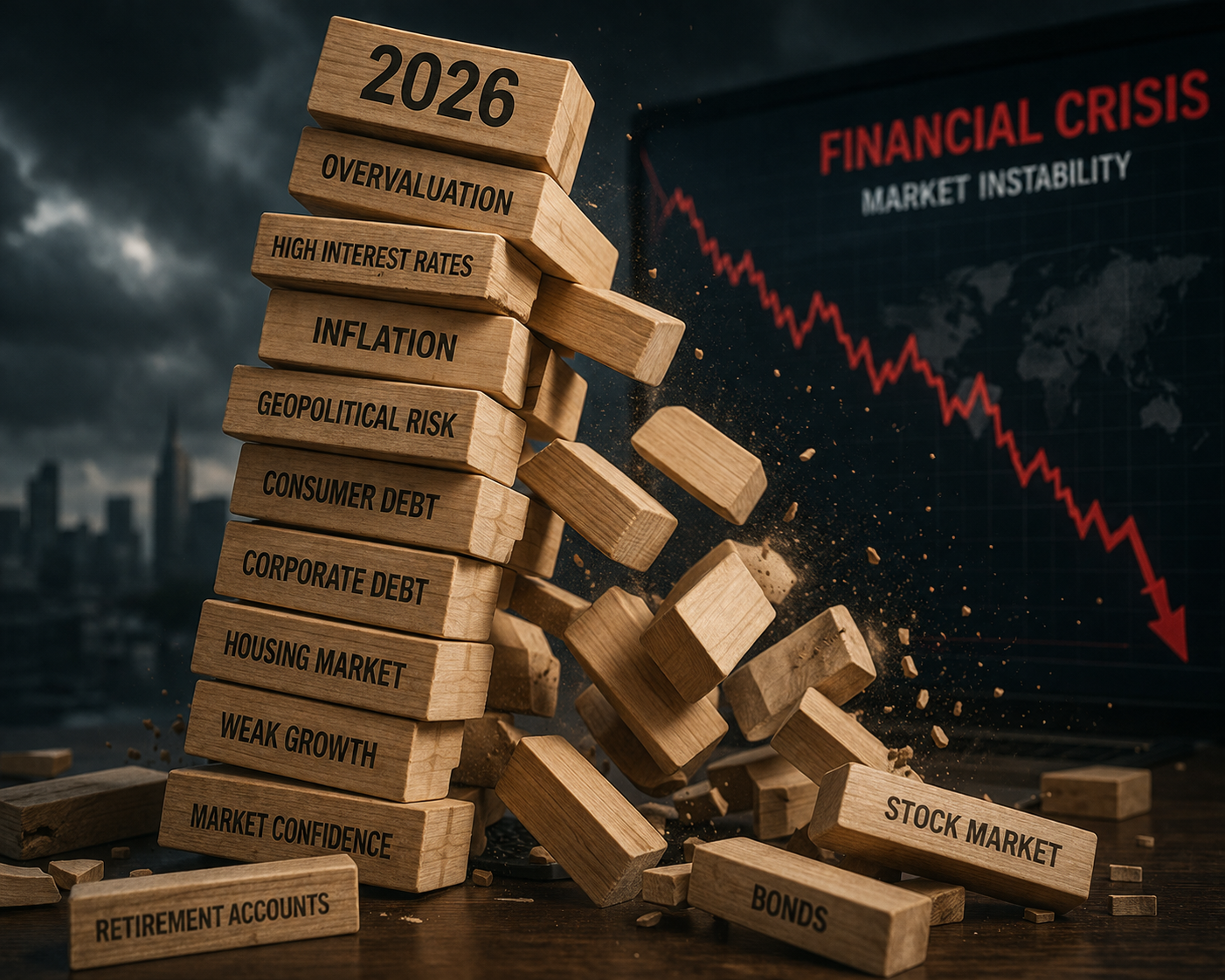
The outlook for the remainder of 2026 will likely depend on how inflation, energy prices, and central bank decisions evolve. Cooling inflation has improved confidence across financial markets, but rising oil prices and geopolitical developments remain important risks.
Investors should remember that financial markets naturally experience periods of volatility. Long-term success is typically built through disciplined planning, diversified investing, and informed decision-making rather than short-term reactions.
As businesses continue embracing artificial intelligence and governments monitor inflation, the financial landscape will keep evolving. Staying informed, managing risk carefully, and focusing on long-term objectives remain some of the most effective ways to navigate today’s changing economy.