Tag: Stock Market

  • Money Shift 2026: How the Global Economy Is Changing the Way We Build Wealth

    Money Shift 2026: How the Global Economy Is Changing the Way We Build Wealth

    https://images.openai.com/static-rsc-4/QeCn3tKwWHB8vVFEyvRcF5SznNIkWPQNB0mLMfRS-d0PI2EZyfaw59w3HbAsjBkeL-dGdPIfalk9CGwB9YqoxLBOzjzGOQd9glUwqxyp-NWWhNT3ovbdnDL9xLqXveAcuY8bNUW2dHHwWSh3eusbBgHOUyyV0UOQoif9Ky0vORWp0f8CFu-XWNSGpfgsAtON?purpose=fullsize
    https://images.openai.com/static-rsc-4/AJClcMMHfbEUWC_eSUMKpySK0IYZ7F0Bb5b9qvn373yZQoQqNl_ywqNXD5-wzd2AOfdG7bsm6i2aHnWzqQ1DWeIsSPUIuz3uSZwHZ_GCQR67gMCfa7qkqtbCIdvpstVQa6gqhzdn6vUqFWUAbLRcxuns12Ic-eps2PvBpiq4-SQZa7t5I3PcQEkbZZZ2OYEM?purpose=fullsize
    https://images.openai.com/static-rsc-4/KoU_ue1uw1Dawx646d6GZ4FJOU1ofcLRnNHhcVXiDHAlGSDi2Ayxgdg6MRNTOVN3FlmNjvgjzA9G6T33ZYsccxkZsvgAkmn3OXNRWNeyA4jgRlR07Y2bhZD7R5_Enmjh1R1iAyE2Ae_uR3qZ_CF9UZxhGLxTBjeU3Kb2X_fUrrAtOVUR-L6F_15NpvqcRkI4?purpose=fullsize

    7

    Money Shift 2026: How Global Economic Changes Are Reshaping Personal Finance and Wealth Building


    Money Shift 2026: How Global Economic Changes Are Reshaping Personal Finance and Wealth Building

    The global financial system is undergoing one of its most significant transitions in decades. Inflation cycles, shifting interest rates, rapid technological growth, and changes in consumer behavior are reshaping how individuals and families manage money.

    While financial markets continue to fluctuate, one key trend is becoming increasingly clear: personal financial discipline and long-term planning matter more than ever. In an environment where economic conditions can change quickly, individuals who develop strong money habits are better positioned to maintain stability and build wealth over time.

    This article explores the major financial changes shaping 2026 and the practical steps people can take to adapt.


    Rising Cost of Living Continues to Shape Financial Behavior

    Across many regions, the cost of living has increased over the past several years. Housing, food, transportation, healthcare, and insurance expenses have all placed pressure on household budgets.

    As a result, more people are:

    • Tracking monthly expenses more closely
    • Reducing unnecessary spending
    • Prioritizing essential purchases
    • Looking for additional income sources

    Even small adjustments in spending habits can have a meaningful long-term impact when applied consistently.

    Financial experts emphasize that budgeting is no longer optional—it is a core financial survival tool in today’s economy.


    Why Emergency Savings Are Now Essential

    Economic uncertainty has made emergency funds more important than ever.

    Unexpected events such as job loss, medical emergencies, or sudden price increases can quickly disrupt financial stability.

    A strong emergency fund typically covers several months of essential expenses and helps individuals avoid relying on high-interest debt during difficult times.

    Common strategies for building emergency savings include:

    • Automatic monthly transfers
    • Cutting small non-essential expenses
    • Using bonuses or extra income
    • Setting short-term savings goals

    Even modest savings can provide critical financial protection.


    Interest Rates Continue to Influence Borrowing and Spending

    Interest rates play a major role in personal finance. When rates rise, borrowing becomes more expensive, affecting:

    • Mortgages
    • Credit cards
    • Personal loans
    • Business financing

    Higher borrowing costs encourage many households to reduce debt and focus more on saving rather than spending.

    At the same time, higher interest rates can benefit savers by offering better returns on savings accounts and fixed-income investments.

    Understanding interest rate trends helps individuals make better financial decisions about borrowing and investing.


    Stock Market Volatility Encourages Long-Term Thinking

    Global stock markets have experienced periods of strong growth followed by sudden corrections.

    This volatility often causes emotional reactions among investors. However, financial history shows that long-term investing tends to reward patience more than timing the market.

    Key long-term investment principles include:

    • Diversification across sectors and regions
    • Regular contributions over time
    • Avoiding emotional decision-making
    • Staying invested during market fluctuations

    Investors who remain consistent often benefit from compound growth over many years.


    Technology Is Changing How People Manage Money

    Digital transformation is one of the biggest forces shaping modern finance.

    Today, individuals can:

    • Track spending through mobile apps
    • Automate savings transfers
    • Invest using online platforms
    • Receive real-time fraud alerts
    • Access financial education online

    Artificial intelligence and automation are also helping banks and fintech companies provide personalized financial insights.

    While technology improves convenience, it does not replace the need for responsible financial decision-making.


    The Rise of Multiple Income Streams

    Many households are no longer relying on a single source of income.

    Instead, they are exploring additional ways to earn money such as:

    • Freelancing
    • Online businesses
    • Part-time consulting
    • Rental income
    • Investment dividends
    • Digital content creation

    Multiple income streams can improve financial resilience and reduce dependence on a single employer or industry.


    Retirement Planning Is Becoming a Priority Earlier in Life

    Younger generations are increasingly aware of the importance of early retirement planning.

    Starting early allows investments to benefit from compound growth over a longer period.

    Even small monthly contributions can grow significantly over decades.

    Financial advisors often recommend:

    • Starting retirement savings as early as possible
    • Increasing contributions over time
    • Maintaining diversified investment portfolios
    • Reviewing retirement plans regularly

    Long-term consistency is more important than the size of initial contributions.


    Debt Management Remains a Key Financial Challenge

    Debt continues to be one of the biggest obstacles to financial stability.

    High-interest debt, especially from credit cards, can quickly reduce available income and limit saving potential.

    Common debt management strategies include:

    • Paying more than minimum payments
    • Prioritizing high-interest debt first
    • Avoiding unnecessary borrowing
    • Consolidating debt where appropriate

    Reducing debt improves financial flexibility and reduces stress.


    Financial Literacy Is Becoming a Critical Skill

    Understanding money management is now considered an essential life skill.

    Financial literacy includes knowledge of:

    • Budgeting
    • Saving
    • Investing
    • Credit management
    • Inflation and interest rates
    • Risk management

    People with stronger financial literacy are often better equipped to make informed decisions and avoid costly mistakes.


    Building a Strong Financial Foundation

    Regardless of income level, a strong financial foundation typically includes:

    • A realistic monthly budget
    • Emergency savings
    • Controlled debt levels
    • Long-term investment planning
    • Insurance protection
    • Regular financial reviews

    These fundamentals remain effective in almost any economic environment.


    Looking Ahead: What the Future of Finance May Bring

    The future of personal finance will likely be shaped by continued technological innovation, global economic shifts, and changing workforce patterns.

    Artificial intelligence, digital currencies, and automated investing systems are expected to play larger roles in financial decision-making.

    However, despite these advancements, the core principles of wealth building remain unchanged:

    • Spend less than you earn
    • Save consistently
    • Invest for the long term
    • Manage risk carefully
    • Continue learning about finance

    Financial success is rarely the result of one major decision. Instead, it is built through consistent habits repeated over time.

    Individuals who combine smart financial tools with disciplined money management are likely to be best positioned for long-term stability and growth.

  • Global Economy 2026: Why Smart Investors Are Focusing on Long-Term Wealth Instead of Short-Term Market Noise

    Global Economy 2026: Why Smart Investors Are Focusing on Long-Term Wealth Instead of Short-Term Market Noise

    https://images.openai.com/static-rsc-4/pMEKNJqDiz3H6os9XObgg6XJHN4c_WEWMno7-umqwaJLcfQzM0yZLe0Z0v8qm4Lqdk-ahw5pvDEoY6X0R8PIhylHPuPTt_gTl-0ExN89yu5AZhm6Pqtpbv8E4yxmhATr9ia1M6Ti_v1j4XTKgiGTmKXKXdA0XA8grTx7l0IA9OkmyfBEGCnJLc9Bk1dmUOoA?purpose=fullsize
    https://images.openai.com/static-rsc-4/7P9isP4uV_m4mmwFmyk9lcMo7--ljrfbD96kQZkoume7_-lh6Y8gvyFZEZS4-5HRiclVXPBQizEuvqpKrPNuqTRZPBN21czZd75wO81vwE3adhIZTUpDvNA9LzbNLE08OM8N-Es0V_tpNDGMo2BW4X5BYgyFmxcOySPYXIrZ7y9dbY2ilNy7f2lZ7sSOu9Gd?purpose=fullsize
    https://images.openai.com/static-rsc-4/DrG6y5ExlH4bYZP2h7dHwgLtthWl7NI1ntkO6qPK0SfRwkoxpAgCoMLP0KiIaKNeygbI2cB2H4HryNOTaXRJypChdb7wGxmTqn9Q81ZyMc7KTxwko6aIQ1TyMONzGg-yULmfVw5SUGmq1RiSNMuARFbhjiZ42-QUGZLIxaiwR2_7ffawRQMqhmsknwlTwZuu?purpose=fullsize

    6

    Global Economy 2026: Why Smart Investors Are Focusing on Long-Term Wealth Instead of Short-Term Market Noise


    Global Economy 2026: Why Smart Investors Are Focusing on Long-Term Wealth Instead of Short-Term Market Noise

    Financial markets have always experienced cycles of optimism and uncertainty. One month investors celebrate record-breaking stock indexes, while the next they worry about inflation, interest rates, slowing economic growth, or geopolitical events. Headlines change almost daily, creating the impression that successful investing requires reacting to every new development.

    However, many financial professionals argue that one of the biggest advantages an investor can have is the ability to remain focused on long-term goals instead of daily market fluctuations. While economic conditions undoubtedly influence investment performance, history has repeatedly demonstrated that disciplined investing, diversification, and patience have played important roles in long-term wealth creation.

    As the global economy continues adapting to technological innovation, changing consumer behavior, and evolving monetary policies, understanding the broader financial picture may help investors make more informed decisions.


    Understanding Today’s Economic Landscape

    The modern economy is shaped by several interconnected factors.

    Central banks continue monitoring inflation while adjusting monetary policy to support stable economic growth. Businesses are investing heavily in automation and artificial intelligence to improve productivity, while consumers increasingly rely on digital banking and online financial services.

    Global supply chains continue evolving after years of disruption, and companies are adapting by diversifying manufacturing locations and improving logistics.

    Although economic conditions differ across countries, investors everywhere face similar questions:

    • Should I increase my savings?
    • Is now a good time to invest?
    • How much risk should I take?
    • How can I protect my purchasing power?

    The answers depend on individual circumstances, but several principles remain widely accepted regardless of market conditions.


    Why Long-Term Investing Still Matters

    Market volatility often creates anxiety among investors.

    When prices fall sharply, some people feel tempted to sell their investments. During strong rallies, others may rush into markets out of fear of missing future gains.

    Behavioral finance research suggests that emotional investing can reduce long-term returns if investors consistently buy after prices rise and sell after prices decline.

    Instead, many experienced investors maintain diversified portfolios and continue investing regularly according to a long-term financial plan.

    This disciplined approach emphasizes consistency rather than prediction.


    Inflation and Purchasing Power

    Inflation gradually increases the cost of goods and services over time.

    Even moderate inflation can reduce purchasing power if wages and investment returns fail to keep pace.

    Households are responding by reviewing budgets more frequently, reducing unnecessary expenses, and prioritizing long-term financial planning.

    Strategies that many people consider include:

    • Increasing emergency savings.
    • Reducing high-interest debt.
    • Reviewing investment allocations.
    • Delaying unnecessary large purchases.
    • Building multiple income sources.

    No single strategy fits everyone, but reviewing finances regularly can help households adapt to changing economic conditions.


    Technology Is Reshaping Personal Finance

    Financial technology has transformed how consumers interact with money.

    Today, many banking applications allow users to:

    • Track spending automatically.
    • Receive fraud alerts.
    • Schedule bill payments.
    • Monitor investment accounts.
    • Create savings goals.
    • Analyze monthly expenses.

    Artificial intelligence is increasingly helping financial institutions detect unusual account activity, improve customer service, and personalize financial recommendations.

    While these innovations improve convenience, they do not replace careful financial planning.


    Diversification Remains a Core Principle

    Diversification continues to be one of the most widely recognized investment principles.

    Rather than concentrating investments in a single company, industry, or country, diversification spreads exposure across different assets.

    A diversified portfolio may include:

    • Stocks
    • Bonds
    • Cash equivalents
    • Real estate investments
    • International assets

    Diversification cannot eliminate investment risk, but it may reduce the impact of losses from any single investment.


    Building Financial Resilience

    Financial resilience involves preparing for unexpected events while continuing to pursue long-term goals.

    Important components include:

    Emergency Savings

    Maintaining several months of essential living expenses can reduce financial stress during unexpected situations.

    Insurance Protection

    Health, home, auto, disability, and life insurance help protect financial stability from significant unforeseen costs.

    Debt Management

    Reducing expensive debt improves monthly cash flow and increases flexibility during economic uncertainty.

    Retirement Planning

    Consistent retirement contributions allow investments additional time to benefit from compound growth.


    Common Mistakes Investors Should Avoid

    Financial professionals frequently caution against several common mistakes:

    Trying to Predict Every Market Movement

    Even experienced professionals cannot consistently forecast short-term market performance.

    Following Investment Trends Without Research

    Popular investments are not always suitable for every investor.

    Ignoring Risk Tolerance

    Investment decisions should match personal financial goals and comfort with risk.

    Neglecting Financial Education

    Markets evolve continuously. Staying informed helps investors make more confident decisions.


    Practical Financial Habits That Support Long-Term Success

    Regardless of economic conditions, several habits continue supporting financial stability:

    • Spend less than you earn.
    • Save consistently.
    • Build emergency reserves.
    • Invest according to long-term goals.
    • Diversify thoughtfully.
    • Continue learning about personal finance.
    • Review financial plans annually.
    • Avoid emotional investment decisions.

    These habits require patience but often contribute to stronger long-term financial outcomes.


    Looking Toward the Future

    The coming years are expected to bring continued advances in artificial intelligence, digital banking, renewable energy, healthcare innovation, and automation. These developments may create new investment opportunities while also introducing new risks.

    Economic uncertainty will likely remain a normal part of investing. Markets will continue responding to inflation data, employment reports, interest-rate decisions, corporate earnings, and global events.

    Instead of attempting to predict every market movement, many financial experts recommend focusing on factors that individuals can control:

    • Saving consistently.
    • Maintaining diversified investments.
    • Reducing unnecessary debt.
    • Building emergency savings.
    • Continuing financial education.
    • Reviewing financial goals regularly.

    Financial independence rarely results from one perfect investment or one fortunate market prediction. It is usually built through years of disciplined planning, informed decision-making, and consistent financial habits.

    In a rapidly changing world, the greatest investment may not be chasing every headline—it may be developing the knowledge, patience, and discipline needed to stay focused on your long-term financial goals.

  • The Biggest Money Mistakes Investors Make During Market Volatility

    The Biggest Money Mistakes Investors Make During Market Volatility

    Image
    Image
    Image
    Image
    Image
    Image
    Image

    The Biggest Money Mistakes Investors Make During Market Volatility—and How to Avoid Them

    Category: Finance News

    Tags: Investing, Stock Market, Personal Finance, Market Volatility, Wealth Building, Long-Term Investing, Financial Planning, Inflation, Interest Rates, Diversification, Risk Management, Emergency Fund, Investment Strategy, Financial Literacy, Economy


    The Biggest Money Mistakes Investors Make During Market Volatility—and How to Avoid Them

    Financial markets rarely move in a straight line. Periods of strong growth are often followed by corrections, while economic uncertainty can create sharp swings in stock prices, bond yields, and investor confidence. For many people, these fluctuations can be stressful, especially when headlines predict recession, inflation, or geopolitical instability.

    However, history has shown that market volatility is a normal part of investing. Although no one can predict exactly when markets will rise or fall, experienced investors generally focus less on short-term price movements and more on long-term financial goals.

    Behavior often has a greater impact on investment success than trying to perfectly time the market. Emotional decisions can lead investors to sell during downturns, chase rapidly rising assets, or ignore their long-term strategy.

    Understanding the most common mistakes during volatile markets may help investors make more informed financial decisions.


    1. Reacting Emotionally to Daily Headlines

    News cycles move quickly.

    One day headlines focus on record market highs. The next day they warn about inflation, interest rates, or slowing economic growth.

    While staying informed is valuable, making major investment decisions based solely on daily headlines can increase risk.

    Many successful investors maintain long-term plans rather than responding to every short-term market movement.


    2. Trying to Time the Market

    One of the most common investing mistakes is attempting to buy at the exact bottom and sell at the exact top.

    Unfortunately, consistently predicting short-term market movements is extremely difficult.

    Missing only a few of the market’s strongest recovery days can significantly affect long-term investment performance.

    Instead of trying to perfectly time the market, many investors contribute regularly through systematic investment plans.


    3. Ignoring Diversification

    Concentrating investments in one company, one industry, or one asset class increases exposure to unexpected events.

    Diversification spreads investments across different sectors, geographic regions, and asset types.

    Although diversification cannot eliminate losses, it may reduce the overall impact of market volatility on a portfolio.

    Every investor’s allocation should reflect personal financial goals and tolerance for risk.


    4. Forgetting About Emergency Savings

    Investments are designed for long-term growth, while emergency savings provide financial flexibility during unexpected situations.

    Without sufficient emergency savings, investors may feel pressured to sell investments during unfavorable market conditions to cover urgent expenses.

    Financial planners often recommend maintaining several months of essential living expenses in readily accessible savings.


    5. Allowing Inflation to Reduce Purchasing Power

    Inflation quietly affects household finances by increasing the cost of goods and services over time.

    While holding cash provides security, relying entirely on cash savings for long periods may reduce purchasing power if inflation outpaces interest earned.

    Balancing emergency savings with appropriate long-term investments may help households pursue both stability and growth.


    6. Taking Too Much Risk Too Quickly

    Rapid market gains sometimes encourage investors to take larger risks than originally planned.

    Before increasing exposure to higher-risk investments, consider:

    • Investment objectives
    • Time horizon
    • Financial obligations
    • Risk tolerance
    • Emergency savings

    A strategy that matches your personal circumstances is generally more sustainable than following market excitement.


    7. Ignoring Retirement Planning

    Market volatility should not automatically interrupt retirement planning.

    Many long-term retirement investors continue making regular contributions regardless of short-term market conditions.

    Consistent investing over decades may allow compound growth to work more effectively than waiting for ideal market conditions.

    Retirement planning should remain focused on long-term objectives.


    8. Overlooking Debt Management

    High-interest debt can reduce financial flexibility during uncertain economic periods.

    Paying excessive interest limits the money available for investing, saving, or building emergency reserves.

    Reducing expensive debt may improve overall financial stability while strengthening long-term wealth-building efforts.


    9. Failing to Review Financial Goals

    Financial goals naturally evolve throughout life.

    Career changes, marriage, home ownership, children, business ownership, or retirement all influence financial priorities.

    Reviewing your financial plan annually allows adjustments that better reflect current circumstances rather than outdated assumptions.


    10. Believing Short-Term Performance Predicts the Future

    Strong performance over several months does not guarantee future returns.

    Likewise, temporary market declines do not necessarily indicate long-term weakness.

    Investment decisions should be based on careful analysis, diversification, and long-term planning rather than recent performance alone.

    Past performance does not guarantee future results.


    Practical Habits During Volatile Markets

    When markets become uncertain, many financial professionals encourage investors to focus on habits they can control:

    • Continue saving regularly.
    • Maintain a diversified portfolio.
    • Review—but avoid constantly changing—your investment strategy.
    • Build emergency savings.
    • Reduce high-interest debt.
    • Stay informed using reliable financial sources.
    • Reassess goals annually instead of reacting daily.

    These habits may help reduce emotional decision-making while supporting long-term financial objectives.


    Looking Ahead

    Economic uncertainty is likely to remain part of investing. Inflation, interest-rate decisions, technological innovation, and global events will continue influencing financial markets for years to come.

    While no strategy can eliminate investment risk, disciplined planning often provides a stronger foundation than attempting to predict every market movement.

    The most successful investors typically understand that wealth is built through patience rather than panic.

    By maintaining diversified investments, strengthening emergency savings, reducing unnecessary debt, and continuing to invest according to long-term goals, households can improve their financial resilience regardless of market conditions.

    Markets will continue changing—but sound financial habits remain one of the most reliable investments anyone can make.

    Alt Text

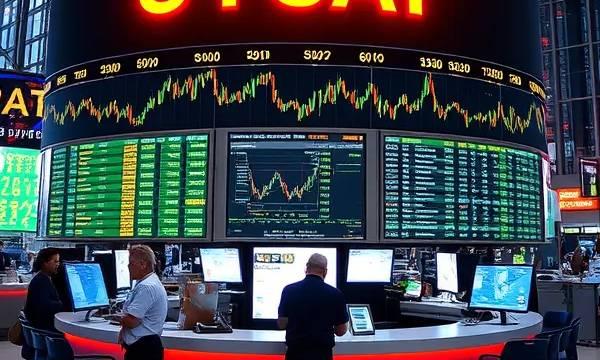
    1. Global stock market trading floor displaying financial charts and market activity.
    2. Investor reviewing portfolio performance on a laptop from a home office.
    3. Financial advisor explaining market trends and investment strategies to clients.
    4. Young entrepreneur analyzing a business financial dashboard in a modern office.
    5. Person using a smartphone banking app to manage budgeting and investments.
    6. Stacked gold coins beside a rising financial graph symbolizing long-term wealth growth.
    7. Modern financial district skyline with digital stock exchange displays representing the global economy.
  • Cash Is No Longer King? How Smart Investors Are Adapting to a Changing Financial World

    Cash Is No Longer King? How Smart Investors Are Adapting to a Changing Financial World

    Image
    Image
    Image
    Image
    Image
    Image
    Image

    Cash Is No Longer King? How Smart Investors Are Adapting to a Changing Financial World


    Cash Is No Longer King? How Smart Investors Are Adapting to a Changing Financial World

    For decades, saving money in a traditional bank account was considered one of the safest ways to build financial security. While maintaining cash reserves remains an essential part of responsible money management, today’s economic environment has encouraged many households to rethink how they manage their finances.

    Inflation, fluctuating interest rates, advances in digital banking, and easier access to investment platforms have changed the way people approach saving and investing. As a result, more individuals are exploring strategies that balance security with long-term growth.

    Financial experts generally agree that there is no single solution for everyone. Instead, successful financial planning involves combining healthy saving habits with thoughtful investing, careful budgeting, and regular financial reviews.


    Why Inflation Matters

    Inflation refers to the gradual increase in the prices of goods and services over time. While moderate inflation is a normal part of a healthy economy, it can reduce the purchasing power of money if savings do not grow at a similar pace.

    For example, if prices rise faster than the interest earned in a savings account, the real value of those savings may gradually decline. This is why many financial planners encourage people to think beyond simply accumulating cash and to consider long-term strategies that may help preserve purchasing power.

    Understanding inflation can help households make more informed decisions about saving, investing, and spending.


    Build a Strong Financial Foundation First

    Before focusing on investments, experts recommend establishing a solid financial base.

    This usually includes:

    • Creating a realistic monthly budget.
    • Building an emergency fund covering several months of essential expenses.
    • Paying down high-interest debt.
    • Maintaining appropriate insurance coverage.

    These steps help reduce financial stress and provide greater flexibility when unexpected situations arise.


    The Importance of Diversification

    One of the oldest principles in investing is diversification.

    Rather than placing all available funds into a single investment, diversification involves spreading money across different types of assets. This approach may reduce overall risk because different investments often respond differently to changing market conditions.

    A diversified portfolio might include a combination of stocks, bonds, cash savings, and other investment assets depending on an individual’s financial goals, time horizon, and tolerance for risk.

    Diversification does not eliminate investment risk, but it can help manage it over the long term.


    Consistency Often Beats Perfect Timing

    Many people hesitate to invest because they worry about buying at the wrong time.

    Financial history has shown that consistently investing over many years often proves more effective than trying to predict short-term market movements.

    Making regular contributions—whether monthly or quarterly—can reduce the influence of market volatility and encourage disciplined investing.

    Long-term investing rewards patience more often than frequent trading.


    Automation Can Improve Financial Discipline

    Technology has made managing personal finances easier than ever.

    Automatic bill payments help avoid late fees.

    Automatic transfers into savings accounts encourage consistent saving.

    Automatic investment contributions remove emotion from investing.

    These simple systems reduce the need for constant decision-making and make healthy financial habits easier to maintain.


    Retirement Planning Should Start Early

    Many workers postpone retirement planning because it feels far away.

    However, time is one of the most valuable advantages investors possess.

    Beginning retirement savings early allows investments more years to benefit from compound growth.

    Even relatively small monthly contributions can become substantial over several decades.

    Those who start later may need to save significantly more each month to achieve similar results.


    Building Multiple Sources of Income

    Economic uncertainty has encouraged many households to diversify their income as well as their investments.

    Additional income may come from:

    • Freelance work
    • Consulting
    • Small businesses
    • Dividend investments
    • Rental properties
    • Online educational products
    • Digital services

    While not every opportunity suits every individual, multiple income streams can improve financial resilience and accelerate long-term wealth building.


    Continue Improving Financial Knowledge

    Financial education is an ongoing process.

    Interest rates change.

    Tax rules evolve.

    Investment products expand.

    New technologies continue transforming banking and investing.

    Reading trusted financial publications, attending educational seminars, and learning from qualified professionals can improve confidence when making financial decisions.

    Knowledge often becomes one of the most valuable long-term investments.


    Common Financial Mistakes

    Even experienced investors occasionally make mistakes.

    Some of the most common include:

    • Spending more than you earn.
    • Ignoring emergency savings.
    • Carrying expensive debt.
    • Chasing investment trends.
    • Making emotional decisions during market volatility.
    • Failing to review financial goals regularly.
    • Neglecting retirement planning.

    Recognizing these habits early allows people to make adjustments before they become larger financial challenges.


    Looking Toward the Future

    Artificial intelligence, digital banking, and financial technology continue changing how people save, invest, and manage money. These innovations offer convenience and improved access to financial services, but they do not replace the importance of sound financial principles.

    Successful money management still depends on:

    • Spending responsibly.
    • Saving consistently.
    • Investing with patience.
    • Managing risk carefully.
    • Continuing financial education.
    • Planning for long-term goals.

    Financial security is rarely achieved through one extraordinary decision. Instead, it grows through thousands of thoughtful choices made over many years.

    No matter your current financial situation, every positive financial habit you develop today can help strengthen your future. By balancing careful saving with disciplined investing and ongoing learning, you can build greater confidence, resilience, and long-term financial stability in an ever-changing economy.

    Alt Text

    1. Woman reviewing a monthly budget using a laptop, calculator, and financial notebook.
    2. Investor comparing diversified investment portfolios across multiple digital screens.
    3. Financial planner discussing wealth management strategies with clients.
    4. Young entrepreneur organizing business finances in a modern office.
    5. Piggy bank surrounded by coins representing consistent savings and financial growth.
    6. Retired couple walking along a beach symbolizing financial independence and retirement planning.
    7. Global financial district skyline representing economic growth, investing, and modern finance.